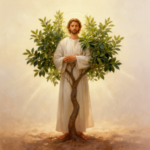
Cassia trees are evergreen, varying from 10 to 20 meters tall, with aromatic, grayish bark, and dark, glossy, ovate leaves. The fragrant flowers are small, pale yellow or white, arranged in clusters. Its seed pods are long, curved, and contain numerous small seeds. The tree thrives in subtropical to tropical climates, preferring well-drained soil and full sun. Its essential oils give it a distinct, spicy aroma, widely used in cooking and medicine. In biblical times, the species diverse regionally, but its aromatic bark and seeds made it highly valued. The tree's appearance and aromatic properties have made it an important spice plant across cultures.
Scientific Name
Cinnamomum cassia (Debated; candidates include Cassia spp. or Cinnamomum spp.)
Hebrew/Greek Name
Hebrew: קציעה (Ketzi'ah); Greek: Κατζιά (Katzia)
Common Names
Cassia, Chinese cinnamon, Saigon cinnamon
Native Habitat
Native to China and Southeast Asia, cassia grows naturally in warm, humid climates with rich, well-drained soil. It is cultivated extensively in China, Vietnam, and Indonesia, and historically in the Middle East via trade routes. The plant prefers tropical forests and subtropical hill slopes, thriving near rivers where humidity is high.
First Biblical Mention
Exodus 30:23-25, where cassia is listed as a key ingredient in the holy anointing oil.
📖 Biblical References
Reference
Context
Significance
Exodus 30:24-25
God instructs Moses to use cassia in the holy anointing oil alongside myrrh and cinnamon.
Highlights cassia's sacred and aromatic value in worship practices, symbolizing divine blessing and sanctification.
Song of Solomon 4:14
The bride's gifts include various aromatic spices, among them cassia, symbolizing beauty and richness.
Represents spiritual beauty, delight, and the richness of divine love.
Proverbs 7:17
The writer describes the seductress using aromatic spices, including cassia.
Symbolizes temptation, allure, and the seductive power of false promises.
✨ Symbolic Meaning in Scripture
Throughout Scripture, cassia symbolizes purity, consecration, and divine blessing. Its aromatic qualities evoke the presence of God and sanctity, seen in its use in holy anointing oils and offerings. As an ingredient that signified wealth and divine favor, cassia also points to the spiritual richness and reward of obedience. In biblical symbolism, its fragrance represents the pleasing aroma of prayer and devotion ascending to heaven. Additionally, cassia’s role in sacred rituals underscores its association with purification and spiritual cleansing, signifying the believer’s journey toward holiness. Its fragrant presence in both worship and daily life highlights its importance as a symbol of God's covenant and enduring grace.
Ancient Israelites and Near Eastern peoples used cassia primarily as a spice and medicinal herb. Its bark and seeds were valued for their aromatic properties and used in preparing perfumes, incense, and aromatic oils. Cassia also served as a medicinal remedy for digestive and respiratory issues. Trade in cassia was extensive, linking East and West, and it was regarded as a precious commodity, sometimes used in religious offerings and ceremonies. Beyond spiritual practices, cassia was incorporated into food seasoning, confectionery, and perfumes, symbolizing hospitality and blessing. Its economic and spiritual significance made it a treasured plant in biblical and ancient Near Eastern cultures.
✡️ In Jewish Tradition
In Jewish tradition, cassia is associated with sacred use, especially in the preparation of holy oils and incense for the Tabernacle and Temple. Its aromatic qualities symbolized divine favor and sanctity. The plant features in rabbinic literature as part of the aromatic herbs used during festivals and in purification rites. Some traditions also link cassia to the wreaths and crowns worn during holidays, emphasizing its role as a symbol of holiness and divine blessing.
✝️ In Christian Tradition
Christian interpretation generally associates cassia with anointing and sanctification, reflecting its biblical sacred use. It symbolizes spiritual blessing, purity, and the aroma of Christ’s righteousness. In Christian mysticism, the fragrant qualities of cassia represent the presence of the Holy Spirit and divine grace. Some see its mention in biblical offerings as a foreshadowing of the anointing of believers and Christ as the ultimate High Priest, bringing spiritual renewal and consecration.
Scholars identify biblical cassia as belonging to the genus Cinnamomum or Cassia, with Appearances of Cinnamomum cassia (Chinese cinnamon) as a leading candidate. There is some debate, as biblical cassia may refer to a broader category of aromatic cassia trees or even similar species like Cinnamomum loureirii. While consensus favors Cinnamomum cassia, alternative candidates include Cassia angustifolia or Cinnamomum aromaticum, depending on historical trade and botanical origins.
🗺️ Where Is It Found Today?
Today, cassia trees are cultivated in China, Vietnam, Indonesia, and other parts of Southeast Asia. Wild or cultivated specimens can be found in open forests and plantations in these regions. In Israel and the Middle East, cassia is less common but can be seen in botanical gardens and export markets specializing in spices and medicinal plants.
Cassia is often called 'cinnamon,' but botanically it differs from Ceylon cinnamon. Cassia has a stronger, spicier flavor and is generally more affordable, though both come from related Cinnamomum species.
What was cassia used for in biblical times?
In biblical times, cassia was primarily used as an ingredient in holy anointing oils, incense, and perfumes. It symbolized sanctity and divine blessing, and was sometimes traded as a valuable commodity.
Can cassia be grown today outside its native regions?
While best cultivated in tropical climates like China and Vietnam, cassia can be grown in subtropical regions with warm, humid conditions. However, commercial production outside its native habitat is limited.
✨ Did You Know?
Ancient trade routes like the Incense Road facilitated the spread of cassia from Asia to the Middle East, making it a highly prized commodity in biblical times. Archaeological findings suggest cassia was part of ritual offerings and royal ceremonies, underscoring its cultural and spiritual significance.











Leave a Reply