Chains for Crosses: Durable Stainless Steel & Gold Chains
Whether you wear a cross as a symbol of faith, a fashion statement, or a keepsake with personal meaning, the chain you choose matters. The right chain not only supports the cross securely but also complements its design, weight, and the wearer’s lifestyle. This article dives into chains for crosses with a focus on two durable, popular categories: stainless steel chains and gold chains. We will explore different chain styles, sizing, care, and practical considerations, so you can select a chain that offers both durability and timeless style.
Why choose chain material matters
The material of a cross chain affects durability, appearance, price, and comfort. Here are the core reasons material choice is important:
Durability: Some metals resist scratches, corrosion, and bending better than others, which is crucial for daily wear.
Hypoallergenic properties: People with sensitive skin benefit from materials that minimize irritation.
Weight and presence: The material influences how the chain drapes, feels, and supports the cross’s weight.
Care requirements: Different metals have different cleaning routines and maintenance needs.
Aesthetic compatibility: The metal tone should harmonize with the cross and any other jewelry you wear.
In the world of cross chains, stainless steel and gold offer compelling advantages. Below we break down what makes each material notable and how to decide which is right for you.
Stainless steel is a standout choice for chains meant to endure daily wear. In particular, 316L stainless steel is widely respected in jewelry for its impressive properties:
Excellent corrosion resistance, even in sweat or saltwater environments.
High scratch resistance relative to many other metals, helping a chain maintain its finish.
Low risk of allergic reaction for most wearers, though some extremely sensitive individuals may still react to nickel traces.
Very good value for the durability it provides, making it a practical choice for everyday wear and gift-giving.
When you read about stainless steel chains, you might see terms like 316L or 316LVM. Here’s what they mean:
316L: A low-carbon version of 316 stainless steel, which reduces the risk of corrosion and makes it easier to weld and finish.
316LVM: A variant often marketed as “vacuum melted” for extra purity, though the functional difference is typically subtle for most buyers.
Stainless steel chains come in a wide range of styles and finishes, from mirror-polished to coated or matte textures. They pair especially well with cross pendants that lean toward modern or minimalist aesthetics, and they’re excellent for people who want a secure chain that won’t easily tarnish or wear with heavy use.
Timeless elegance and luxury: Gold chains for crosses
Gold chains offer warmth, prestige, and a classic look that never goes out of style. Gold chains can be solid gold or gold-plated, with common karat values including 14k and 18k.
Solid gold chains (14k, 18k) are durable and hypoallergenic, but come at a higher price and weight.
Gold-filled chains have a thick layer of gold bonded to a base metal, delivering gold aesthetics at a more accessible price point with good durability.
Gold vermeil chains feature a layer of gold over sterling silver, combining the look of gold with relatively moderate cost, but with more care required to preserve the finish.
When selecting a gold chain for a cross, consider the cross’s bail size, thickness, and whether the chain’s color should match or contrast with other jewelry. Yellow gold remains the most traditional choice for Christian crosses, but white gold and rose gold offer modern, fashionable alternatives that still complement the symbolism of the cross.
Chain styles for crosses: variations that influence drape, weight, and vibe
The style of the chain influences how the cross sits against the chest, how the light catches the metal, and how comfortable the chain feels for long wear. Below are several common chain styles that are frequently used with crosses, along with brief notes on their character and best-use cases.
The cable chain is perhaps the simplest and most versatile. It features evenly sized round or oval links interconnected in a straightforward pattern. Benefits include:
Excellent stability and durability for heavier crosses.
A classic, understated look that works with most pendants.
Affordable options are abundant, especially in stainless steel.
Box Chain
The box chain is made of square links that create a smooth, square profile. It has a refined, contemporary appearance and exceptional durability for its delicate look. Characteristics include:
High twist resistance and resistant to kinking, which helps keep the cross aligned properly.
A subtle geometric shine that complements engraved or ornate crosses.
Great choice for slim to medium-sized crosses.
Rope Chain
The rope chain features twisted links that resemble a rope. This style has a vintage feel and a strong presence. Key points:
Excellent flexibility and distribution of weight around the neck.
Ideal for larger, heavier crosses because the chain can bear more weight while remaining comfortable.
Well-suited to both gold and stainless steel channels.
Figaro Chain
The Figaro chain is a pattern of two or three small circular links followed by a longer link. It’s a distinctive, stylish option that adds a touch of elegance without overpowering a cross. Considerations:
Offers a balance between shine and weight.
Popular for fashion-forward crosses and trend-driven looks.
Works well in both gold and stainless steel.
Mariner Chain
The Mariner chain (also called anchor chain) features rounded, interlocking links with a maritime vibe. It’s robust and tactile, making it a practical choice for active wear. Highlights:
High durability with good weight distribution, suitable for larger crosses.
Appealingly rugged aesthetic that pairs with casual or nautical-inspired outfits.
Often found in stainless steel for long-lasting wear.
Wheat Chain
The wheat chain is an elegant, braided pattern with a soft, lustrous look. It sits nicely on the chest and tends to be comfortable for extended wear. Details include:
Sleek line and subtle texture that complements intricately designed crosses.
A refined option for gold chains and more delicate cross pendants.
Requires careful handling to avoid bending the links in some finishes.
Belcher Chain
The Belcher chain, also known as curb-style chain with uniform circular links, is durable and versatile. Points to know:
Classic, masculine silhouette that pairs with bold crosses.
Excellent for daily wear and a wide range of pendant sizes.
Widely available in stainless steel and gold.
Curb Chain
The curb chain is made of uniformly sized, flat, interlocking links that lie flat. It’s one of the most durable and versatile chains for crosses. As a note:
Very strong, resistant to tangling and kinking, suitable for larger pendants.
Bold presence; pairs well with heavier crosses and statement jewelry.
The Byzantine chain is an intricate, multi-link weave that creates a rich texture. It’s known for visual complexity and a luxurious feel, with these traits:
Voluminous texture that can enhance a sizeable cross.
Best in gold when you want a traditional, heirloom aesthetic.
Weightier than simpler chains, so consider the cross weight and neck comfort.
Size, length, and fit: how to choose the right chain for your cross
The fit of a chain is influenced by neck size, the cross’s dimensional balance, and the desired look. Here are practical guidelines to help you measure and choose:
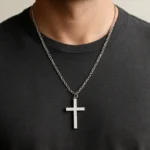
Length choices commonly range from 16 inches (choker length) to 30 inches (intimate or display length). For most men, 18–22 inches is a versatile range; for most women, 16–20 inches is typical, but personal preference matters.
Cross bail size matters: a large cross needs a chain that can pass through the bail easily without crowding the pendant. If the bail is small, you may need a thinner chain or a chain style that can accommodate a tight bail.
Chain thickness or gauge should balance cross weight. A heavy cross benefits from a thicker chain to avoid sagging, while a lightweight cross can be paired with a delicate chain for a refined look.
Proportion: aim for a chain that visually harmonizes with the cross’s size. A very large cross on a thin chain may look unbalanced, while a heavy chain on a tiny cross can overwhelm the pendant.
For practical testing, you can try several combinations (in a store) or use a simple rule of thumb: measure from the collarbone to the sternum, then select a length within a couple of inches of that measurement, adjusting for whether you want the cross to rest higher on the chest or lower on the chest.
Maintenance and care: keeping stainless steel and gold cross chains looking their best
Care routines differ by material. Below are practical care steps for stainless steel and gold chains to preserve luster, strength, and integrity over time.
Care for stainless steel chains
Clean regularly with warm water and mild dish soap. Use a soft brush to remove dirt from the links.
Dry thoroughly with a lint-free cloth to prevent water spots or mineral buildup.
Avoid harsh cleaners or abrasives that can scratch or dull the finish.
For stubborn grime, a dedicated jewelry cleaner formulated for steel can be used, following the product instructions.
Inspect regularly for any sign of looseness at the clasp or link wear, and have it serviced if necessary.
Care for gold chains
Solid gold chains are relatively maintenance-free but can still develop a patina or scratches over time. Clean with mild soap and warm water, then dry with a soft cloth.
Gold-filled chains maintain the appearance longer than gold vermeil, but both can benefit from gentle cleaning and careful handling to avoid removing gold layers.
Avoid ultrasonic cleaners for certain finishes (especially vermeil over a base metal) as the cleaning process can wear away gold plating or damage the base.
Store separately to prevent scratches; using a soft pouch or separate compartments is ideal.
Durability considerations: which chain lasts longer and why
Durability isn’t just about the metal; it’s about the integration of the chain with the cross, the clasp, and the wearer's lifestyle. Here are critical factors:
Material hardness and resilience: stainless steel generally resists bending and is less prone to tarnish, making it a robust choice for daily use.
Bonding at the clasp: even the strongest chain can fail if the clasp is weak or if the point where the chain connects to the cross is poorly designed.
Link quality and finish: well-finished links reduce snagging, kinking, and wear on the bail.
Cross weight relative to chain thickness: a heavy cross on a very thin chain may put extra stress on the clasp and links, causing wear over time. Choose a chain that can evenly distribute the weight.
Design trends and pairing tips: how to coordinate chains with crosses
Design sensibilities shift over time, but several timeless pairing principles persist. Consider these when selecting a chain for a cross:
Proportion and silhouette: a large cross benefits from a slightly thicker chain to maintain visual balance, while a petite cross looks harmonious with a delicate chain.
Metal color harmony: align the chain’s metal color with the cross’s finish for a cohesive look. For example, a white‑metal cross (white gold or stainless steel) pairs well with a white or cool-toned chain; a yellow-gold cross pairs with warm yellow or rose gold chains.
Occasion and lifestyle: formal settings may favor more refined chains (box or herringbone in gold), while casual daily wear might prefer sturdy cable or curb chains in stainless steel.
Layering: if you wear multiple chains, vary lengths and styles. A shorter, simple chain with a modest cross can stand out, while longer chains add depth to your overall look.
Customization options for cross chains
For many wearers, a customized chain is a value-add: it ensures fit, balance, and a unique feel. Common customization options include:
Length customization: tailor the length for a perfect drop position and comfort.
Clasp type: options include lobster clasps, spring ring clasps, or barrel clasps, depending on ease of use and aesthetic.
Thickness and weight: choose a gauge that aligns with cross weight and personal preference.
Engraving on the cross or small pendant allowance on the chain’s end caps for a meaningful touch.
Ethical and sustainable considerations
Many customers today seek transparent supply chains and responsible sourcing. When purchasing chains for crosses, you may encounter:
Documentation showing conflict-free gold or responsibly sourced materials.
Manufacturers offering recycled precious metals or responsibly plated options.
Ethical labor policies and fair-trade practices in production facilities.
Here are practical steps to align your purchases with ethical considerations:
Ask retailers for sourcing details and third-party certifications where available.
Choose brands that publish clear information about material origins and manufacturing ethics.
Consider recycled metal or refurbished chains if you are aiming to minimize environmental impact.
Practical buying guide: what to look for when selecting a chain for your cross
When you’re shopping, use this checklist to evaluate options and avoid common pitfalls:
Cross compatibility: ensure the chain’s bail size and chain thickness can accommodate your cross’s weight and size.
Clasp reliability: test opening/closing with one hand, and verify that the clasp feels secure.
Finish integrity: look for uniform color, no visible scratches, and consistent texture across links.
Brand and warranty: reputable brands often provide warranties or guarantees on craftsmanship and durability.
Care requirements: ensure you’re willing to follow the recommended care routine based on material and finish.
Finally, consider trying several combinations in-store if possible. Seeing a cross on different chains in person can illuminate which material and style feels right on you.
Care tips by material: quick reference
Stainless steel chains: simple maintenance, occasional cleaning, and a long lifespan with routine checks.
Gold chains: elegant but may require more careful handling, especially vermeil or plated options that can wear with time.
Store away from other metal jewelry to prevent scratching; consider separate pouches or a jewelry box.
Common questions about chains for crosses
Here are answers to frequently asked questions to assist in decision-making:
Are stainless steel chains safe for sensitive skin? For most wearers, yes, but a small minority may react to nickel traces in some stainless steels. Look for jewelry described as nickel-free or medical-grade if concern exists.
Can I wear a cross on a chain every day? Yes, with the proper chain and clasp. Choose a chain that matches your daily activities and clothing style to maintain comfort and durability.
Will a heavier cross require a thicker chain? Generally, yes. A heavier cross benefits from a chain with enough thickness to distribute weight, reduce tugging on the bail, and maintain a balanced look.
What maintenance does vermeil require? Vermeil is gold-plated sterling silver. It requires gentler care to protect the gold layer, and may need re-plating over time depending on wear.
Careful combinations: pairing specific chain styles with cross designs
Some combinations tend to work especially well in terms of aesthetics and practicality. Here are a few pairing guidelines:
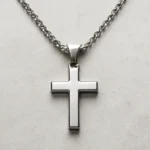
A cable chain in stainless steel pairs well with clean, geometric crosses for a minimal, modern look.
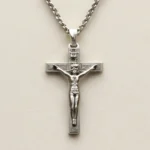
A box chain in gold complements a classic, engraved or ornate cross for a refined, timeless appearance.
A rope chain in gold or stainless steel enhances a larger cross, thanks to the chain’s substantial presence and texture.
A Byzantine chain in gold gives a regal, heirloom vibe that matches traditional religious cross motifs.
Careful handling for travel, sports, and active lifestyles
If you lead an active lifestyle or travel frequently, you may want a chain that withstands exposure and rough handling. Consider these strategies:
Choose a stainless steel chain for its corrosion resistance and rugged durability, especially if you’ll be sweating or in humid environments.
Opt for a robust clasp (such as a lobster clasp) to minimize accidental loss during activities.
Keep a compact cleaning kit and a soft cloth to wipe away sweat, salt, or oils that can dull metal finish over time.
Ethical considerations: transparency in the jewelry supply chain
As with any jewelry purchase, transparency about material sourcing and labor practices matters. A growing number of brands publish information about:
Where metals are mined and refined
Whether materials are recycled or newly refined
Labor conditions and fair-trade practices
Each chain’s overall environmental footprint
When possible, ask retailers or manufacturers for a materials certificate or a chain-specific sustainability statement. This information can help you make informed choices that align with your values.
Conclusion: choosing the right chain for your cross
Choosing a chain for a cross is a blend of practical considerations and personal taste. Whether you gravitate toward the durability and affordability of stainless steel or the timeless warmth of gold, the right chain should meet four core criteria: it should securely support the cross, feel comfortable during wear, reflect your personal style, and resist the rigors of daily life. By understanding chain styles—from the cable, box, and rope patterns to more complex weaves like Byzantine—you gain the power to select a chain that not only holds a cross safely but also enhances the overall look you want to achieve. With thoughtful care and appropriate sizing, your cross chain can become a lasting part of your jewelry collection, carrying meaning and style for years to come.







Leave a Reply