Christ Candles: Handcrafted Religious Candles for Prayer
Christ Candles: Handcrafted Religious Candles for Prayer
Christ candles are more than mere sources of light. They are instruments of devotion, symbols of faith, and practical aids in daily prayer. In this article, we explore the world of handcrafted religious candles dedicated to Christ, often known by variations like Jesus candles, Christian prayer candles, or altar candles. We will look at why these candles matter to believers, how they are made, the different styles and uses, and how to choose, bless, and care for them in a way that deepens spiritual practice.
At its core, a Christ candle is a liturgical or devotional item designed to accompany prayer, contemplation, and worship. The flame represents divine presence, illumination of the mind, and the offering of prayers ascended to Heaven. In many Christian traditions, light is a powerful metaphor for Christ as the Light of the World, and the practice of lighting a candle can help focus attention, prepare the heart, and create a sacred space within a home, church, chapel, or hospital room.
The term handcrafted Christ candles emphasizes that each candle is produced with care, intention, and craftsmanship. Unlike mass-produced items, artisan-made devotional candles often reflect attention to composition, scent, wick choice, and aesthetics. This combination of form and meaning makes them especially suitable for prayer, meditation, and remembrance. Whether used for a daily lighting ritual, a week-long novena, a vigil, or a special feast day, these candles invite believers to engage more deeply with their faith.
In addition to personal devotion, Christian households and congregations rely on a range of liturgical candles for catechesis, liturgical seasons, and ritual rites. The language of light communicates universal truths about hope, mercy, forgiveness, and salvation. As you explore the world of devotional Christ candles, you will encounter a spectrum of styles—each crafted for a different purpose, devotion, or spiritual mood.
History and tradition of Christ candles
The use of light in Christian worship stretches back to antiquity and is woven into the fabric of personal devotion as well as public liturgy. Candles arose as practical sources of illumination, but they quickly acquired symbolic significance. In early Christian homes, families often kept a small home altar candle to mark morning and evening prayers. Over centuries, churches developed formal practices around candles—candles placed near altars, around crucifixes, and on processional routes. The modern Christ candles reflect that lineage: they blend ancient symbolism with contemporary craftsmanship.
Across Christian traditions, different forms of candles emerged. Votive candles are lit during private devotion or in memory of a loved one, while tall altar candles or sanctuary candles burn for longer periods during services. Some traditions emphasize scented elements—frankincense, myrrh, or other aromatics—while others prefer unscented formulations to minimize distraction. Regardless of the specific style, the core idea is consistent: light as a sign of faith, a reminder of Christ’s presence, and a physical space for prayer.
In the present day, the market for Christian prayer candles is diverse. There are candles designed for seasonal devotion, such as Advent and Lent, as well as candles crafted for marian devotions, catechesis, and family prayer. The heritage of craftsmanship remains central: skilled artisans blend wax, dye, fragrance, and wick technology to produce a product that not only burns safely but also carries spiritual resonance.
Key historical influences on modern Christ candles
Monastic and cathedral candle-making traditions that valued precision and ritual purpose
Ecumenical movements that encouraged lay devotion and home sanctuaries
Liturgical reforms that defined candle use for seasons like Advent, Christmas, Lent, and Easter
Advances in wax chemistry, wick technology, and safety standards for consumer candles
Materials and craftsmanship: what goes into handcrafted Christ candles
The beauty of a handcrafted Christ candle often lies in the thoughtful selection of materials and meticulous assembly. Artisans consider the wax, wick, color, fragrance (if any), and protective coatings to ensure a safe, steady burn. The goal is to create a candle that not only lasts but also serves as a meaningful focal point for prayer.
Below are the core components and decisions that shape a devotional candle’s character.
Wax varieties
The base material affects burn quality, aroma, and symbolism. Common choices include:
Beeswax: Natural, slow-burning, and often considered spiritually pure; it yields a warm, steady flame and a gentle honey scent. Beeswax candles can be more expensive but are prized for longevity and purity.
Soy wax: Plant-based and typically cleaner-burning with lower soot. Soy wax blends are common in devotional candles for home use.
Paraffin: A traditional option that blends well with color; often more economical but may produce more soot if not properly wick-balanced.
Wax blends: Artisans may blend different waxes to achieve a specific burn profile, color depth, or scent release.
Wicks and burn characteristics
The wick is the heartbeat of a candle’s burn. Choices include:
Cotton wicks: The most common choice for a clean, predictable burn.
Wooden wicks: Offer a gentle crackle reminiscent of a small hearth and can add sensory depth to prayer time.
Multiple wicks: Some larger altar candles or ceremonial candles use two or more wicks to ensure even burning and a luminous, stable flame.
Color, fragrance, and symbolism
Color has liturgical significance in many Christian traditions, signaling season, intention, or saintly devotion. While many unscented Christ candles are preferred in quiet prayer, scented variants with fragrances like frankincense or myrrh can evoke historical sacred rites. When fragrance is used, it is usually subtle to avoid overpowering prayer and to minimize sensory distraction.
Finishing touches and safety coatings
Production may include a protective outer layer, a labeled inscription, or a decorative devotional motif. Surface finishes can range from simple wax coatings to intricately carved or printed panels. Safety is paramount: in addition to proper wick width and wax type, artisans ensure the outer container or jar is heat-resistant and that labels include clear burn-time guidance.
The world of Christ candles encompasses a broad spectrum of forms. Each variation serves a distinct spiritual purpose, a different setting, or a unique liturgical moment. Here are some common categories you might encounter.
Votive candles and private devotions
Votive Christ candles are compact, often placed in a small holder or collaborative devotional space. They are ideal for personal prayers, memorials, and day-to-day prayer routines. These candles burn for a shorter duration and are frequently replaced during routine prayer times.
Altar and sanctuary candles
Altar candles or sanctuary candles are designed for extended burning, often used in church services and formal liturgies. They may be taller, with longer burn times, and sometimes carried in processions. In many traditions, altar candles symbolize Christ’s presence in the sacred space and are accompanied by ritual readings.
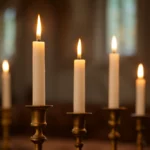
Taper candles are slender, tall, and used in processions or tabletop altars. When set in pairs or banks of three, they create a visually striking focal point that invites contemplation during group prayer.
Nativity and seasonal candles
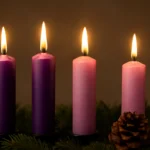
For feast days and seasons, seasonal Christ candles reflect the mood of Advent, Christmas, Epiphany, Lent, or Easter. Colors (purple for Lent, white for Easter, gold for festive periods) and motifs (stars, crosses, fish, doves) guide the worshiper through liturgical time.
Marian and saintly devotion candles
Some devotional candles focus on Christ’s life within Marian or saintly contexts. These candles often accompany prayers to the Virgin Mary or to saints who emphasize Christ-centered intercession.
Fragrant and aromatic options
While many prefer unscented candles for meditative quiet, a subset of devotional candles uses subtle aromatics like myrrh, frankincense, or gentle floral notes. When fragrance is used, it should be restrained to preserve the sanctity of the space and avoid overpowering the prayer experience.
Regardless of the form, the guiding principle remains: the quality of your Christ candles should align with your prayer practices, space, and personal devotion.
Uses in prayer and worship
Candles dedicated to Christ serve as focal points for various spiritual activities. The flame anchors attention, invites stillness, and signals the sacred crossing from ordinary time to a realm of prayer. Below are some practical ways people use these candles in daily life and communal worship.
Daily prayer routines: A devotional candle on a small home altar can mark morning or evening prayers, scripture reading, and quiet contemplation.
Novenas and prayer cycles: Candles are lit for specific intentions, often remaining lit for days or weeks as prayers accumulate.
Families and children: A simple Christ candle can teach ritual practice, remind children of sacred space, and help structure family devotion times.
Hospitals and care settings: In difficult circumstances, candles can symbolize hope, presence, and a steady faith in healing and grace.
Feast days and liturgical seasons: Seasonal candles assist worshippers in aligning heart and mind with the mysteries of Christ’s life and church calendar.
In all these uses, the practice remains more about the inner posture of prayer than the candle itself. A well-chosen handmade Christ candle can become a trusted companion on spiritual journeys, guiding attention back to Christ’s message of love and redemption.
Practical guidance for lighting and intention-setting
Place the candle on a heat-resistant surface and keep away from drafts that cause uneven burning.
Trim the wick to approximately 1/4 inch before each lighting to minimize soot and ensure a steady flame.
Set a clear intention or prayer focus before lighting. The candle becomes a symbolic anchor for that intention.
Never leave a burning candle unattended. Extinguish it if you need to leave the room or go to sleep.
Keep candles out of reach of children and pets, and use sturdy holders or containers for stability.
Blessing, consecration, and the spiritual life of Christ candles
In many Christian communities, candles are blessed or consecrated to sanctify their use in prayer. A blessing often involves a short invocative prayer, a priest or blessing minister, and a blessing rite that asks for God’s grace to accompany the candle’s flame. This rite does not make the candle magical; rather, it invites believers to see the candle as a sacramental—a sign that points to spiritual realities beyond the material world.
Personal blessing: A home or individual blessing that accompanies daily devotion and makes prayer time more meaningful.
Parish or church blessing: Candles used in liturgical rites or sacraments that require sanctification for communal worship.
Special rites: Candles prepared for weddings, funerals, baptisms, or ordinations, each carrying its own symbolic significance.
Whether you participate in formal church rites or simply light a private candle, the underlying purpose is to orient heart and mind toward Christ, asking for His presence to illumine your path.
Care, safety, and maintenance of Christ candles
Proper care extends the life of a Christ candle and preserves its beauty for prayer. It also minimizes safety risks in homes and sacred spaces. Here are practical guidelines to keep in mind.
General safety tips
Place candles on stable, heat-resistant surfaces, away from curtains, paper, and flammable materials.
Never leave a burning candle unattended. Extinguish flames before leaving a room or going to sleep.
Keep out of reach of children and pets; use enclosed holders for added safety.
Avoid drafts that can cause uneven burning, splattering, or rapid flame movement.
Maintenance practices
Trim the wick to about 1/4 inch before lighting to reduce soot and ensure a steady burn.
Allow the candle to burn long enough for the melt pool to reach the edges of the container to prevent tunneling.
Keep the vessel clean and dry; wipe away any soot or wax residue with a soft cloth after cooling.
Storage and reuse
Store unused Christ candles in a cool, dry place away from direct sunlight to preserve color and fragrance (if used).
Used candles may be repurposed for other devotional practices if the container is intact and the wick is no longer usable.
Choosing the right Christ candle for your space and season
Selecting a devotional candle depends on the setting, personal preference, and the spiritual objectives of prayer. Consider the following criteria when choosing:
Purpose: Daily prayer, a special intention, a liturgical season, or a memorial.
Burn time: Short candles for daily use; tall altar candles for ceremonies or vigils.
Wax type: Beeswax for purity and long burn; soy for clean burning and sustainability; paraffin for cost-effectiveness or color performance.
Size and container: Small glass votives for bedside prayer; a sturdy pillar for an at-home sanctuary; a jar with decorative iconography for visual focus.
Aesthetic and symbolism: Colors, inscriptions, and motifs that align with a person’s faith journey or a specific feast day.
If you are lighting candles in a church or a community space, check if the candles meet safety standards and if the church has preferred guidelines about color, fragrance, or size.
For households, consider starting with a simple unscented beeswax candle for quiet prayer and then expand to more elaborate designs for feasts and celebrations.
Ethics, sourcing, and sustainability in Christ candles
Modern worshipers increasingly value the ethical dimensions of devotional objects. The production of Christian candles intersects with concerns about environmental stewardship, fair labor practices, and humane sourcing of raw materials. As you explore handmade Christ candles, you may wish to consider the following topics.
Sourcing of soy or beeswax from sustainable farms, with transparent supply chains and certifications where available.
Labor practices and fair wages for artisans who handcraft these candles, especially when purchasing from small studios or cooperatives.
Packaging that minimizes waste, uses recyclable materials, or employs refillable containers for long-term devotion.
Fragrance choices that minimize allergy risk and environmental impact.
By prioritizing ethical considerations, you support a broader practice of faith that includes care for creation and fair treatment of workers. This aligns with many Christian teachings about justice, stewardship, and compassion.
DIY versus shop-bought: personalizing Christ candles
For many practitioners, there is a meaningful distinction between DIY Christ candles and ready-made options from a shop or studio. Each approach has unique benefits.
DIY insights
Control over materials allows you to prioritize purity, sustainability, and fragrance preferences.
Creating your own devotional candle can turn prayer time into a hands-on spiritual activity, deepening the sense of personal investment in the prayer journey.
DIY candles can be a family craft, teaching children about patience, focus, and intention in prayer.
Shop-bought advantages
Professional artisan-made quality with consistent burn characteristics and safety testing.
A wide variety of designs, colors, and motifs that reflect different spiritual themes and feast days.
Availability of guided blessings, sacramental rites, or church-approved candles that comply with local regulations.
Whether you pick handcrafted Christ candles from a studio or decide to start a simple DIY project, the aim remains the same: to foster a sacred space where prayer can be offered with intention, reverence, and beauty.
The cultural and spiritual significance of light in Christian faith
The symbolism of light in Christian life is rich and multifaceted. A Christ candle embodies the mystery of illumination—both literal and spiritual. Light represents Christ himself as the Light who dispels darkness, the Holy Spirit guiding the faithful, and the hope of resurrection. The ritual of lighting a candle can be an accessible way to express hope in darkness, lend clarity to questions of faith, and participate in a shared language of devotion.
In liturgical contexts, the color and form of a candle often reflect the season’s theology. For example, purple or violet may indicate penance and preparation, white or gold may signal joy and purity, and red may symbolize martyrdom or the Holy Spirit. The seasonal Christ candles you choose can reflect these theological themes and help you immerse yourself more fully in the church calendar.
On a personal level, a single candle can become a spiritual routine: lighting it at twilight to mark the close of the day, offering a short prayer before bedtime, or centering attention during a morning scripture reading. The candle helps structure how you engage with God, turning ordinary moments into occasions of grace.
Iconography, inscriptions, and the artistry of Christ candles
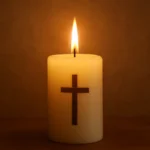
The visual aspects of Jesus-themed candles matter to many worshipers. In addition to color, the inscriptions, icons, and symbols on the candle containers carry meaning. Some candles feature scriptural verses, saints’ names, or short prayers that guide contemplation. Others display traditional Christian symbols—crosses, the ichthys (fish), or fish-and-lamp motifs associated with early Christian art.
For people who appreciate art and symbolism, a candle can function as a devotional icon in motion. Light, wax, pigment, and text converge to create a portable image of faith that you can carry from room to room or bring to a prayer corner in your home. The artistry becomes a language of its own, inviting reflection on Christ’s life and the believer’s response to divine mercy.
Practical considerations for churches and communities
Churches and faith-based organizations often use a variety of candles to support worship, catechesis, and outreach. When selecting Christ candles for congregational use, several practical questions come into play.
Burn times: Longer burn times for altar candles, shorter burn times for processionals or vigil lights.
Container safety: Glass jars, metal holders, or ceramic containers to minimize heat transfer and spillage.
Color and symbolism: Consistent use of color schemes that reflect the liturgical calendar.
Fragrance policies: Some congregations prefer unscented candles to accommodate allergy concerns.
Budget considerations: Balancing quality, longevity, and cost for large-scale use.
When communities invest in artisan Christ candles, they often gain a sense of shared beauty and reverence that enhances communal prayer and worship experiences.
Frequently asked questions about Christ candles
What is the difference between an altar candle and a devotional candle?
An altar candle is typically larger, designed for church or formal liturgical use, and intended to burn for extended periods. A devotional candle is usually smaller, intended for personal prayer or family use, and may have a shorter burn time.
Can scented candles be used for prayer?
Yes, but with discernment. Fragrance can enhance memory and atmosphere, yet it should be subtle to avoid overpowering prayer. If fragrance is used, choose light, natural scents and ensure that they do not cause respiratory or allergy issues for you or others nearby.
How do I care for a beeswax Christ candle?
Beeswax candles burn cleanly and slowly and often emit a gentle honey scent. To maximize safety and burn quality, trim the wick, avoid drafts, and place the candle in a stable holder. With proper care, a beeswax Christ candle can be a long-lasting companion for prayer.
Are there ethical considerations when buying handcrafted candles?
Yes. Look for transparency about wax sourcing, fair labor practices, and environmentally friendly packaging. Supporting small studios or cooperatives that prioritize sustainability aligns with broader Christian ethics of stewardship and justice.
Conclusion: embracing light in devotional practice
The world of Christ candles invites believers to experience the sacred through the tangible practice of lighting a flame. Whether you choose Jesus candles, altar candles, or devotional votives, the act of lighting and tending these candles can become a meaningful routine—one that grounds prayer in beauty, intention, and reverence. As you explore different handcrafted religious candles, consider how each candle’s material, form, and symbolism can accompany you in moments of gratitude, petition, and contemplation. May your space be graced with light that points beyond the flame to the eternal presence of Christ.
For those seeking to deepen their prayer life, the purchase of Christ candles is not an end in itself but a doorway to a richer spiritual discipline. This article has offered a broad overview of the handcrafted religious candle landscape, from materials and craft to usage, safety, and ethics. We hope it inspires you to choose candles thoughtfully, bless them with meaning, and let their glow accompany your journey toward faith, mercy, and peace.







Leave a Reply