Christian Merch: Faith-Based Apparel, Accessories & Gifts
Christian Merch: Faith-Based Apparel, Accessories & Gifts
Christian merchandising has evolved from simple devotional trinkets to a vibrant ecosystem of faith-based apparel, accessories, and gifts that people wear, carry, and display every day. This article explores the world of Christian merch, or biblical-themed products, and explains how churches, retailers, and individual believers can engage with this space in meaningful, ethical, and impactful ways. Whether you’re shopping for a church fundraiser, seeking thoughtful worship-inspired gifts, or looking to express your beliefs through everyday items, understanding the range, design considerations, and practical tips can help you choose items that are both beautiful and purposeful.
At its core, Christian merchandise encompasses any product that bears a Christian message, symbol, or scripture. It includes gospel-inspired gifts, apparel, and devotional tools designed to encourage faith, share the gospel, or commemorate biblical moments. The scope is broad: you’ll find items that are intentionally devotional and reformational, as well as items that act as conversation starters in public spaces. The term faith-based merch can refer to both large-scale retail lines and small, community-driven creations produced by local ministries.
Important distinctions to consider include:
Message-focused: Designs that highlight verses, creeds, or biblical narratives.
Symbol-based: Items featuring Christian symbols such as the cross, ichthys, dove, or biblical scenes.
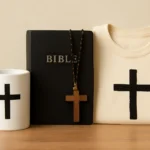
Function-focused: Everyday items (mugs, phone cases, notebooks) that carry a faith message.
Mission-focused: Products that raise funds or awareness for charitable or missionary work.
Categories of Christian merchandise
Faith-based apparel
Apparel makes up a large portion of the Christian merch market because clothing is one of the most visible ways to express faith. Christian apparel ranges from casual tees to performance wear, hoodies, hats, and beyond. When selecting clothing, consider both style and substance: the design should be legible, respectful, and aligned with the intended audience.
Key subcategories include:
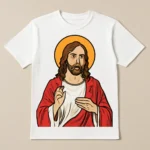
T-Shirts and Tops: Graphic tees with Bible verses, paraphrased scriptures, or faith-inspired slogans. Options span minimalist typography to bold artwork.
Hoodies and Sweatshirts: Great for cooler weather or youth ministries; can feature larger designs, scripture quotes, or seasonal faith themes.
Caps and Beanies: Headwear with embroidered messages or simple iconography; often used for church events and mission trips.
Activewear: Performance fabrics for church runs or recreation groups, sometimes incorporating inspirational phrasing on its seams or backs.
Kids’ and Youth Apparel: Sized designs and color palettes that appeal to younger audiences while carrying age-appropriate messages.
Production methods for apparel include screen printing, direct-to-garment (DTG), embroidery, and heat-press vinyl. Each method has distinct advantages:
Screen printing is durable, cost-effective for bulk orders, and excellent for bold, solid colors.
DTG allows for intricate detail and a softer hand, ideal for multi-color designs or small orders.
Embroidery adds texture and a premium feel, particularly suitable for hats, jackets, and polos.
Heat-press vinyl offers precise control for small runs or customized designs.
Quality considerations are crucial when choosing faith-based apparel. Look for:
High-quality fabric blends with good drape and comfort
Colorfast and durable inks or threads that withstand washing
Fair labor practices and transparent supply chain
Inclusive sizing and accessible price points
Design tips for apparel include balancing artwork with legibility, choosing color palettes that convey the intended emotion (serene, bold, celebratory), and ensuring prints align with church or ministry branding. For churches or organizations, consider establishing brand guidelines to maintain consistency across all apparel lines, from banners to ball caps.
Accessories
Accessories provide practical, portable ways to display faith throughout the day. This category includes jewelry, bags, phone cases, water bottles, keychains, wristbands, and more. Popular items:
Cross necklaces and bracelets: Often crafted with silver, gold-tone metals, or wood; designs can be subtle or statement-making.
Tote bags: Canvas or faux leather totes with scripture verses or inspirational phrases, perfect for church events or daily errands.
Phone cases and tech accessories: Scripture-engraved cases or faith-themed designs for everyday devices.
Jewelry with symbols: Doves, ichthys, or nails to reflect the gospel narrative.
Wristbands and lanyards: Reminders of faith for conferences, camps, or mission trips.
Ethical and inert materials matter for accessories. For jewelry, hypoallergenic metals and responsibly sourced stones are worth prioritizing. For bags and cases, durable materials and reinforced stitching help ensure longevity as these items are used daily.
Home decor and gifts transform faith into tangible reminders in living spaces. This category includes mugs, wall art, journals, devotional books, candles, throw blankets, and photo frames. Popular themes include:
Bible verses printed in elegant typography on wall canvases or framed prints
Daily devotionals and guided journals designed to accompany scripture reading
Prayer journals and gratitude logbooks for personal or group use
Church wedding and event decor motifs that celebrate faith milestones
Faith-based candles and aromatics that create a contemplative atmosphere
When presenting gifts for churches or individuals, consider the recipient's preferences for aesthetics (modern vs. traditional) and the setting where the item will live. A wall art piece for a living room might favor subtler typography and muted colors, while a youth group gift might embrace bold graphics and vibrant palettes.
Tech and everyday items
Innovation and practicality meet faith in the tech-and-life category. Examples include USB drives with scriptures, notebooks, planners, stationery, and water bottles with motivational quotes. These products are useful for personal devotion, classroom settings, or ministry planning sessions. Consider:
Water bottles with hydration reminders and scripture references
Notebooks with journaling prompts drawn from Christian practices (e.g., prayer scheduling, gratitude lists)
Planner inserts or printable calendars for liturgical seasons (Lent, Advent, Pentecost)
Digital accessories such as screen-cleaning cloths or laptop sleeves with faith messages
These items can be integrated into church programming like small group materials, youth retreats, or mission trip packing lists, helping participants stay connected to their faith in daily routines.
The significance of faith-based merchandise
Properly chosen Christian merchandise can play a meaningful role in ministry and daily life. Here are several dimensions of its impact:
Expression of identity: Merchandise acts as a wearable or portable badge of faith, helping believers articulate their beliefs in secular spaces.
Encouragement and exhortation: Scripture-based messages can uplift discouraged individuals and reinforce spiritual disciplines.
Community and belonging: Shared merchandise can foster a sense of community at church events, conferences, and mission trips.
Evangelism and outreach: Thoughtful designs can prompt conversations about faith with friends, coworkers, or strangers.
Support for ministry: Fundraising merchandise supports church programs, missions, and charitable initiatives.
In practice, the best Christian merch balances beauty, theology, and lived experience. It should honor Scripture, respect diverse interpretations within the Christian tradition, and avoid trivializing sacred topics. Thoughtful design can transform ordinary objects into tools of spiritual formation and outreach.
Design trends in Christian merch
Designs evolve with culture, technology, and theology. Current trends include:
Minimalist typography that emphasizes a single verse or word with ample white space.
Hand-lettered art and brush-lettering for a personal, artisanal feel.
Vintage and retro aesthetics that evoke timeless truths with nostalgic appeal.
Iconography-based designs using crosses, ichthys, doves, or other symbols as focal points.
Color storytelling where colors convey mood: serene blues for peace, deep greens for growth, gold accents for majesty.
Seasonal and liturgical themes aligned with Advent, Lent, Easter, Pentecost, and Christmas.
Inclusive and diverse imagery reflecting a wide range of ages, ethnicities, and contexts within the Christian community.
When commissioning or selecting designs, consider the audience. Youth groups may respond to bold, graphic styles; older congregants may prefer more restrained typography and classic symbolism. Also, ensure your designs respect copyright and licensing rules for any fonts, artwork, or photography used.
Sourcing, ethics, and sustainability
Ethical considerations are increasingly central to merchandise decisions. Thoughtful buyers ask:
Where and how are items produced? Look for transparent supply chains, fair labor practices, and safe working conditions.
Are materials responsibly sourced? Seek sustainable fabrics, recycled materials, and eco-friendly inks or dyes.
Is licensing proper? Ensure you have rights to use any protected artwork or fonts, or choose original designs.
What about waste and returns? Consider on-demand printing to minimize excess inventory, and clear return policies for churches and individuals.
Is the product inclusive and accessible? Offer size ranges and design options that accommodate diverse communities, including people with disabilities.
On-demand printing and digital storefronts offer a sustainable option for churches and small ministries. They reduce upfront inventory, test market interest, and allow for flexible updates to designs aligned with current seasons or events. If you’re producing in bulk, partnering with suppliers who practice fair trade and provide ethical certifications can enhance credibility and impact.
How to choose quality Christian apparel and merchandise
Quality matters for long-term wearability and the integrity of the message. Here are practical criteria to guide your selection:
Fabric and material quality: Cotton, cotton blends, or performance fabrics should feel durable and comfortable.
Print or finish durability: Assess expected washing tolerance, color retention, and print longevity.
Fit and sizing: Accurate size charts, inclusive sizing, and consistent fits across product lines.
Colorfastness: Colors should not bleed or fade after multiple washes.
Care instructions: Clear guidelines for washing and drying help preserve the item’s appearance.
Ethical credentials: Where and how it’s manufactured, transparency about supplier ethics, and any certifications.
Brand alignment: The item should reflect the intended ministry or message and fit the audience’s expectations.
When evaluating gifts or personal purchases, consider the context: a gift for a pastor may warrant a premium item with a tasteful inscription, while a youth group giveaway might prioritize bold graphics, durability, and affordability.
Custom and bulk orders for churches and events
Many churches, schools, camps, and mission organizations rely on custom merchandise for branding, fundraising, and community building. Here are best practices for custom orders and bulk programs:
Define clear objectives: Are you raising funds, promoting a ministry, or providing mementos for attendees?
Set a reasonable budget per item, factoring in printing method, materials, and shipping.
Choose a reliable supplier: Look for experience with faith-based clients, clear proofs, and good communication.
Request samples: Always review physical samples before a large run to verify color, size, and quality.
Offer a range: Provide multiple items and price points to accommodate donors and participants.
Plan for size and diversity: Ensure inclusive sizing and consider designs that appeal to different age groups and genders.
Protect your designs: Use original artwork or licensed material; discuss licensing terms in advance to avoid conflicts.
Churches often pair merchandise with events such as retreats, mission trips, conferences, or fundraisers. For these contexts, you might pair a shirt with a matching hat, sticker set, or devotional booklet to create a cohesive kit. Keep in mind the logistics of ordering timelines, storage if you’re stocking items for a campaign, and how you’ll distribute items fairly to participants.
Practical tips for buying and using Christian merch
Whether you’re shopping for personal use, a church, or a ministry, these practical steps can help you make thoughtful decisions:
Define your audience: Consider age, culture, and church tradition. What language and imagery will resonate?
Balance message and design: A strong verse is powerful, but the typography and visuals should remain legible at a glance.
Test before large orders: Order a small batch to evaluate print quality, fit, and how the item is received by your audience.
Use design guidelines: If your church or organization has branding guidelines, ensure your merchandise aligns with them for consistency.
Offer choices: Not everyone wants the same message; provide a range of verses or symbols to reflect diverse preferences.
Consider accessibility: Use clear fonts, high-contrast colors, and consider designs that are meaningful to people with different backgrounds or abilities.
Think about the stewardship aspect: If funds are raised for a ministry, be transparent about how proceeds are used and steward donations responsibly.
Marketing Christian merchandise ethically involves avoiding coercive messaging and respecting listener autonomy. Emphasize invitational language and community-building rather than pressuring individuals to purchase. A well-presented product that respects the audience can be a powerful tool for encouragement and outreach.
Legal considerations and copyright
When designing or purchasing Christian merch, be mindful of legal and copyright considerations to protect yourself and the creators involved:
Original designs are safest; if you’re using someone else’s art, obtain explicit licensing or permission.
Licensed content requires clear documentation of the license terms and scope (print runs, duration, geographic region).
Public domain verses may be used freely, but be careful with modern translations or copyrighted artwork that accompany a verse.
Trademark awareness: Avoid using logos or slogans that resemble established church brands or ministry marks unless you have permission.
Clear contracts with suppliers and designers help prevent disputes. If you’re a buyer, request proofs, color swatches, and the full statement of licensing or ownership before finalizing a purchase. This practice avoids embarrassing mistakes and ensures the integrity of the message you intend to share.
Contextual considerations: culture, theology, and inclusivity
A thoughtful approach to Christian merch recognizes that audiences span a wide spectrum of theological backgrounds, cultural contexts, and personal experiences.
Theology and nuance: Some verses or symbols carry different emphases across traditions. Aim for designs that are widely interpreted as respectful and affirming of core Christian beliefs.
Cultural sensitivity: Designs should avoid stereotypes or cultural appropriation, especially in global mission contexts.
Inclusivity: Represent diverse ages, races, and identities in imagery where appropriate, and provide accessible options for different communities.
Pastor and ministry alignment: Ensure that merchandise supports the ministry’s mission and does not conflict with doctrinal statements.
When done well, Christian merchandise can serve as a bridge—inviting conversations about faith while respecting the integrity of diverse believers. The goal is to create items that uplift, encourage, and dignify the beliefs of the person who uses them.
Operational guidance for retailers and creators
If you’re a retailer, designer, or ministry facilitator venturing into Christian merch, consider these operational practices:
Market research: Assess local churches, churches’ networks, and online communities to understand demand, preferences, and price tolerance.
Product lifecycle planning: Plan seasonal lines, limited editions, and evergreen staples to maintain steady sales and avoid overstock.
Pricing strategy: Balance affordability with perceived value; offer tiered options for individuals and groups.
Customer service: Clear sizing charts, return policies, and responsive communication build trust with faith-based buyers.
Community partnerships: Collaborate with local ministries, camps, and mission organizations to reach broader audiences.
For creators, investing in a portfolio of gospel-inspired products that reflect real pastoral needs—such as prayer journals for quiet time, or wall art for small group rooms—can foster sustained engagement with communities over time.
Consider a few illustrative scenarios where Christian merch plays a meaningful role:
Church fundraiser: A congregation hosts a weekend sale of coordinated apparel, journals, and mugs to fund a local outreach project. A portion of proceeds goes to a mission partner, while designs emphasize the campaign theme for the year.
Youth retreat: A camp orders a batch of bold, colorful tees and caps that feature the retreat theme and verse, paired with journals for devotionals and small group guides.
Wedding and celebration: A church wedding program includes personalized keepsakes, such as a tie-pin cross, vow cards, and a custom mug with the couple’s favorite verse to commemorate the day.
Academic or church bookstore: A campus ministry store stocks biblically themed face masks, notebooks, and tote bags designed to appeal to students and faculty seeking faith-expression during daily life.
In each case, the product choice aligns with the audience, the setting, and the purpose—whether fundraising, memorializing a milestone, or simply providing daily reminders of faith. When merchandise integrates thoughtful storytelling with practical utility, it can become a lasting part of people’s routines and communities.
Christian merch, or faith-based merchandise, spans a wide spectrum—from everyday apparel and accessories to home decor and digital-era tools. It offers opportunities to express belief, encourage spiritual growth, support charitable work, and foster community. The most compelling products are those that combine quality materials, respectful design, and clear, uplifting messaging. As consumers and creators navigate this landscape, ethical sourcing, licensing clarity, and thoughtful audience awareness remain essential. By prioritizing these elements, believers and ministries can use gospel-inspired merchandise to bless individuals, strengthen churches, and broaden the reach of the message that lies at the heart of Christian life.
Whether you are shopping for a personal favorite, outfitting a church program, or designing a line of biblical-themed products for outreach, your choices matter. They influence not only how faith is represented in public spaces but also how the message of hope, grace, and community is carried forward into daily life. The power of Christian merch lies not only in the designs themselves but in the way they accompany people on their journeys of faith, service, and mission. So as you explore this world—consider purpose, quality, and impact, and let your selections reflect the truth you hold dear: that faith, shared with care and integrity, can become a light in the everyday.




Leave a Reply