This plant is a rapid-growing, sprawling vine often climbing on supports or ground cover. It produces large, heart-shaped to lobed leaves up to 30 cm long, with tendrils aiding in climbing. The flowers are typically yellow or orange, bell-shaped, pollinated by bees. Fruits are large, rounded or elongated, with thick, hard shells, maturing in 60-120 days. The fruit’s interior varies from fleshy to seed-filled, and the plant thrives in warm, well-drained soils with full sun exposure. It tolerates dry conditions but prefers moisture-rich environments, often cultivated near water sources or irrigated fields in temperate to subtropical climates.
Originally from South Asia and the Middle East, this vine now grows throughout the Mediterranean, North Africa, and the Near East. It thrives in warm climates with well-drained loamy soils, often in open fields, riverbanks, or village gardens. Its adaptability allows it to flourish in semi-arid to subtropical regions, making it a common cultivated plant in Israel today.
First Biblical Mention
Jonah 4:6
📖 Biblical References
Reference
Context
Significance
Jonah 4:6
God provided a plant to give shade to Jonah, making him comfortable as he waited outside Nineveh.
The plant symbolizes God's compassion and provision, as well as the transient nature of comfort provided by divine grace.
✨ Symbolic Meaning in Scripture
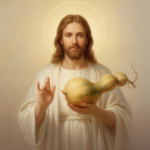
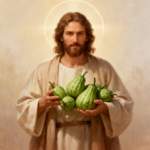
The gourd in the biblical narrative symbolizes divine mercy, provision, and the fleeting nature of worldly comforts. It illustrates how divine blessings can be both generous and transient, reminding believers of the importance of humility and reliance on God's sovereignty. Its rapid growth parallels new beginnings and the transformative power of divine intervention, while its eventual withering underscores life's impermanence and the importance of spiritual priorities over temporary physical comforts. The plant also signifies caring for God's creation, emphasizing stewardship and the interconnectedness of God's mercy with His creation.
Ancient Near Eastern peoples cultivated gourds for a variety of uses. The matured fruits served as containers, utensils, and musical instruments (such as drums or rattles), given their hollow shells. Some varieties were eaten as vegetables or boiled into stews, while seeds were roasted for food or pressed oils. The gourds also played roles in traditional medicine, believed to soothe ailments in gastrointestinal or respiratory conditions. Moreover, their shells and fibers contributed to craftwork and building materials, influencing local trade and craft practices. These plants held both utilitarian and symbolic importance in daily life and ritual contexts.
✡️ In Jewish Tradition
In Jewish tradition, gourds are associated with Rosh Hashanah, where a carved gourd (or a fruit like the pomegranate) is used as a symbolic food representing good deeds and blessings. The Talmud mentions gourds in discussions of ritual purity and as part of folk medicine. Though not as prominent as other botanicals, they emphasize themes of abundance, fertility, and divine provision within rabbinic literature.
✝️ In Christian Tradition
Christian interpretations often view the gourd as a symbol of God's providence and the transient nature of earthly comfort. The rapid growth and withering serve as allegories for spiritual vitality and the importance of spiritual sustenance over temporary worldly pleasures. Some theologians see it reflecting divine grace that is both generous and fleeting, urging believers to focus on eternal truths and divine mercy rather than material security.
Scholars debate the exact identity of the biblical gourd. Some propose it was a species of cucurbit like Lagenaria siceraria (bottle gourd) or Cucumis melo (melon), while others suggest Ricinus communis (castor bean) or even a type of cotton (Gossypium). The lack of definitive archaeological evidence means consensus remains elusive, but the cucurbit family is the most widely accepted candidate due to its rapid growth, size, and widespread ancient cultivation.
🗺️ Where Is It Found Today?
In modern Israel and the Middle East, gourds such as Lagenaria siceraria are still cultivated in home gardens, rural areas, and community farms. They are especially common near water sources and in regions with warm climates. Similar species thrive in Mediterranean gardens, and traditional markets frequently sell their dried shells and seeds for craftwork and cultural uses.
Is the gourd in the Bible definitely a specific species?
No, the exact species remains debated among scholars. Common candidates include gourd or squash varieties from the cucurbit family, but definitive identification is lacking due to limited archaeological evidence.
What does the gourd symbolize in biblical stories?
It symbolizes divine provision, mercy, and the transient nature of worldly comforts. Its rapid growth and withering also serve as spiritual lessons on dependence on God's grace and the fleeting nature of material blessings.
Are gourds still used today in Israel or the Middle East?
Yes, varieties like Lagenaria siceraria are cultivated and used in traditional crafts, for containers, and in cultural practices, maintaining their role in regional life and symbolism.
✨ Did You Know?
Ancient gourds have been found in archaeological sites dating back over 9,000 years, making them some of the earliest domesticated plants used for functional and ritual purposes. Their lightweight, durable shells made them ideal for water vessels traveler and trader supplies during antiquity.









Leave a Reply