Hay derives from dried grasses, predominantly cereal crops like barley (Hordeum vulgare) or wheat (Triticum spp.). It appears as golden, fibrous stalks and leaves that are harvested and dried to preserve for animal feed or building material. The stalks are slender, with seed heads at the top containing grains, and once dried, they are lightweight, brittle, and suitable for bedding, thatching, or insulation. Its appearance varies from greenish in early harvest to golden-yellow when fully matured, thriving in temperate climates with well-drained soil. Hay's texture is coarse, composed of cut, dried grass and cereal stems, typically gathered in bundles after harvest during late spring or summer. Its physical qualities make it ideal for rural use and symbolize modesty and provision in biblical contexts.
Scientific Name
Debated (possibly Hordeum vulgare or Triticum spp.)
Hebrew/Greek Name
Hebrew: שְׁעוֹר (she'or); Greek: ἄχυρον (achyron)
Common Names
Hay, Straw, Thatching material
Native Habitat
Native to the Near East, including modern-day Israel, Palestine, Egypt, and surrounding regions, hay-producing grasses grow well in the Mediterranean climate characterized by hot, dry summers and mild, wet winters. They thrive in plains and foothills with well-drained, fertile soils, often cultivated in ancient agricultural settlements and pastoral areas.
First Biblical Mention
Leviticus 23:40 (Feast of Tabernacles)
📖 Biblical References
Reference
Context
Significance
Leviticus 23:40
Command to take a leafy bough and some of the most fine fruit, branches of palm, and leaves of thick trees, including 'hay,' for the Feast of Tabernacles.
Represents joy, harvest, and divine blessing, used in liturgical celebrations.
Genesis 41:22
Joseph interprets Pharaoh’s dream involving seven good and seven bad hay or grain stalks, symbolizing plenty and famine.
Conveys divine providence and the importance of wisdom during times of abundance and scarcity.
✨ Symbolic Meaning in Scripture
Hay, as dried cereal stalks, embodies themes of preservation, humility, and sustenance. In biblical symbolism, it reflects God's provision during harvest and seasons of blessing, yet also alludes to transience and mortality—like fleeting stalks of grain. The imagery of hay or straw often signifies humility, poverty, or the humble offerings made to God. Its layered symbolism encompasses reliance on divine generosity, the cycle of growth and decay, and the need for spiritual cultivation. Hay's ephemeral nature draws attention to the importance of mindful stewardship, gratitude, and recognizing God's bounty. In prophetic and poetic texts, hay echoes the transient nature of life and the hope of future abundance, reminding believers of divine care amid human fragility.
Ancient Israelites harvested cereal crops such as wheat and barley, which after threshing produced straw or hay used for animal bedding, insulation, and roofing materials. Hay also served as fodder for domesticated animals crucial for sustenance and trade. Additionally, dried straw was used in construction, particularly in making sukkahs (temporary shelters) and in traditional thatching methods. The agricultural cycle involved carefully drying and storing hay, symbolizing preparation and God's provision. Beyond practical uses, hay and straw had symbolic significance in rituals, offerings, and festivities, underscoring themes of livelihood and divine blessing in agrarian society.
✡️ In Jewish Tradition
Hay, or straw, appears in rabbinic literature as a symbol of humility and modesty, often linked to the humble offerings to God. During festivals like Sukkot, materials such as straw are used in sukkahs, emphasizing gratitude for God's provision. Rabbinic texts also depict straw as part of the process of divine judgment, where humility and sincerity are valued. The use of straw in traditional construction and ritual practices highlights its integral role in daily and spiritual life, reinforcing values of simplicity and reliance on divine grace.
✝️ In Christian Tradition
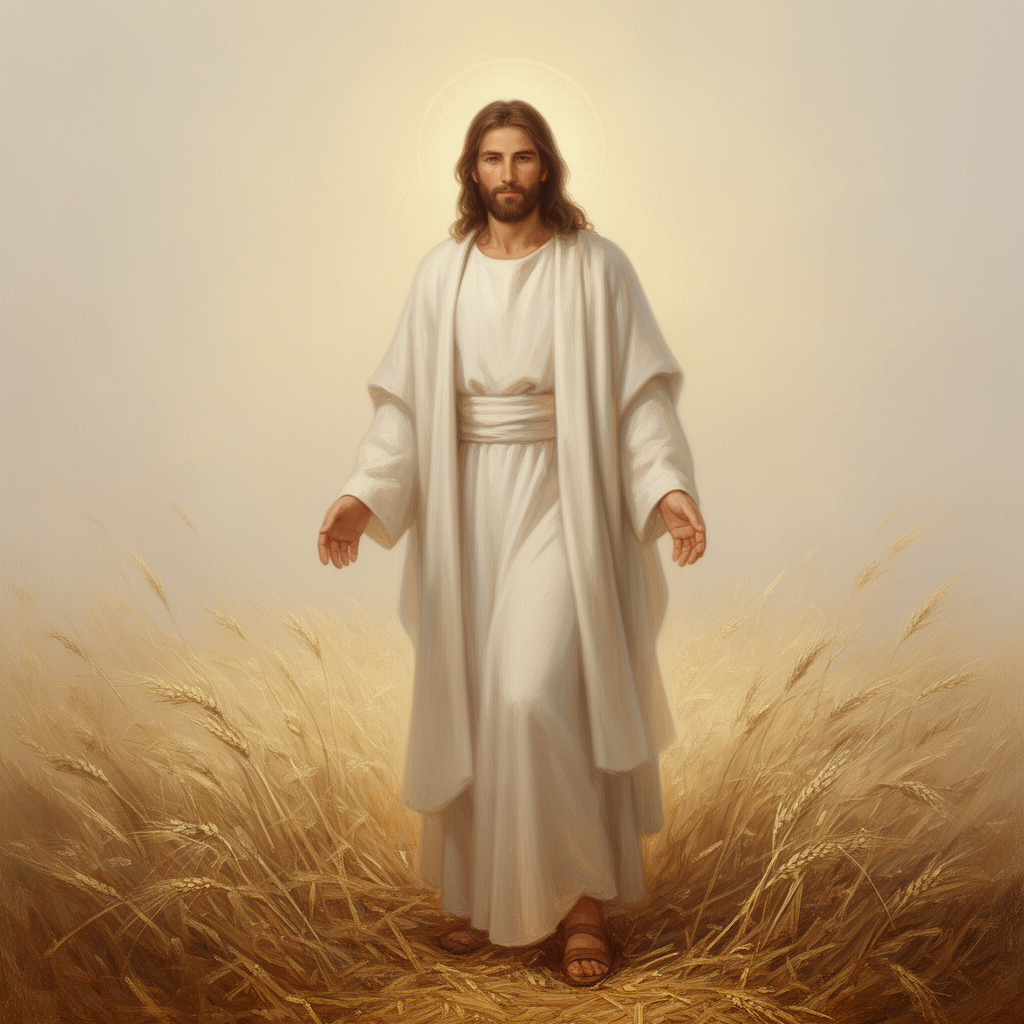
Christian symbolism often considers hay and straw as representations of humility, human poverty, and the humble circumstances of Jesus' nativity, with the nativity scene featuring hay in the manger. The image of hay evokes the modesty of Christ’s birth and the importance of humility before divine mystery. It also symbolizes the transient nature of earthly riches and the spiritual nourishment found in humility and sacrifice. The metaphor of laying down one’s pride like straw at Christ’s feet underscores themes of surrender and divine grace in Christian theology.
Scholars generally agree that biblical references to hay likely relate to dried cereal stalks from wheat or barley, which were staples in ancient Israel. The terminology and descriptions point toward Hordeum vulgare (barley) or Triticum spp. (wheat), although precise identification remains debated due to linguistic and archaeological complexities. Alternative candidates such as wild grasses are less favored given their less practical use in ancient agriculture and construction. Overall, the scientific consensus supports cereal crops as the primary source.
🗺️ Where Is It Found Today?
Hay and dried cereal stalks are still produced throughout Israel, especially in agricultural regions such as the Jezreel Valley, the Galilee, and the Negev. Traditional and modern farms cultivate wheat and barley, harvesting straw for local use in construction, animal feed, and craftwork. In rural areas, these materials remain vital for sustaining livestock and constructing traditional shelters or Sukkahs, especially during harvest seasons.
While often used interchangeably today, biblically hay generally refers to dried grasses or cereal stalks harvested for feeding, whereas straw specifically denotes the dry stalks used for building and insulation. Both played vital roles in daily life and symbolism.
What crops produce the hay mentioned in the Bible?
The primary crops are wheat and barley, which produce stalks that, when harvested and dried, form the hay or straw used in biblical times. These grains were central to ancient Israelite agriculture.
How is hay symbolically connected to spiritual themes?
Hay symbolizes humility, reliance on God's provision, and the transient nature of earthly things. Its use in festivals and teachings underscores themes of gratitude, sacrifice, and divine care.
✨ Did You Know?
Ancient Israelite artifacts include evidence of straw and hay being used as building materials and offerings, with some archaeological finds showing preserved bundles from millennia ago. Additionally, the depiction of straw in biblical art and poetry underscores its cultural importance as a humble, yet essential, element of early agricultural society.




Leave a Reply