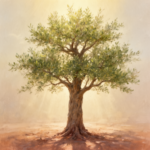
Onycha is believed to refer to resinous exudates obtained from certain aromatic trees or shrubs, typically small to medium-sized. These plants often have rough or leathery leaves, with fragrant flowers—often white or pale pink—that produce resin-like sap. The resin, harvested by tapping or incision, hardens upon exposure, forming beads or granular material valued in incense. They thrive in arid or semi-arid climates, favoring rocky or well-drained soils, particularly in the Middle East and North Africa. The plant's fragrant resin has been prized for its aromatic, preservative, and medicinal properties since ancient times.
Native to regions of the Middle East, North Africa, and the Arabian Peninsula, these plants flourish in dry, rocky terrains with hot, arid climates. They grow in well-drained soils, often on hillsides or desert margins, and are well adapted to drought conditions.
First Biblical Mention
Exodus 30:34-36
📖 Biblical References
Reference
Context
Significance
Exodus 30:34-36
Instructions for making the sacred incense, where Onycha is listed as a component.
It signifies the ritual importance and divine command for aromatic ingredients used in worship, highlighting Onycha's role in sacred rites.
✨ Symbolic Meaning in Scripture
In biblical symbolism, Onycha represents divine aroma, sanctity, and the sacred act of worship. Its fragrant resin embodies spiritual offerings that please God, symbolizing purification and the divine presence. The act of burning Onycha in incense signifies prayers rising to heaven, connecting the physical and spiritual realms. As a component of sacred anointing and incense, Onycha underscores themes of holiness, divine intimacy, and the importance of purity in worship practices. Its aroma is often viewed as a divine fragrance that distinguishes sacred space from the mundane, reminding believers of the spiritual realm and divine approval.
Ancient Israelites and neighboring cultures used Onycha-derived resins as incense in religious ceremonies, believed to carry prayers to God. The resin was also valued in trade, medicine, and perfumery, prized for its aromatic qualities. Extracts from these plants were used medicinally for their purported healing properties, and the resin was sometimes incorporated into embalming practices, highlighting its preservative qualities. Additionally, the fragrant resins were employed in cosmetic preparations, emphasizing their cultural significance in daily life and worship.
✡️ In Jewish Tradition
In Jewish tradition, Onycha is linked to the Mishkan (Tabernacle) rituals, where its incense components are considered sacred. Rabbinic literature emphasizes the importance of precise preparation and use of these resins in the sacred altar offerings. The plant's resin symbolizes purity and divine favor, often seen as a gift from God for sacred service, and is discussed in texts related to the Temple's sacrificial rites.
✝️ In Christian Tradition
Christian symbolism often interprets Onycha as representing spiritual fragrance and prayer as a pleasing offering to God. It symbolizes purification and the sanctifying power of Christ's sacrifice, with incense carrying prayers to heaven. The plant's aromatic qualities are seen as a metaphor for spiritual blessing and divine presence, emphasizing the importance of prayer and worship in the Christian faith.
Scholars have debated the identity of Onycha; candidates include species of Commiphora and Boswellia, both known for resin production. There is no definitive consensus, though Commiphora mukul and Boswellia sacra are leading candidates due to their aromatic resins and historical use. Differences in resin chemistry and botanical features continue to fuel scholarly discussion and research.
🗺️ Where Is It Found Today?
Today, plants such as Boswellia sacra (frankincense) and Commiphora myrrha (myrrh) grow in the Middle East, particularly in Yemen, Oman, Somalia, and parts of North Africa. These regions still produce excellent quality resins used in religious, medicinal, and perfumery contexts, closely aligned with historical Onycha descriptions.
No, the exact botanical identity of Onycha remains debated. It is generally believed to be a resin-producing tree or shrub like Commiphora or Boswellia species, but scholars have not reached consensus.
What role did Onycha play in biblical worship?
Onycha was a crucial component of the sacred incense used in the Tabernacle and Temple, symbolizing divine approval and spiritual purification during rituals.
Can Onycha still be found today?
Yes, related plants such as frankincense (Boswellia sacra) and myrrh (Commiphora spp.) are still cultivated today in the Middle East and Africa for their aromatic resins, closely resembling biblical Onycha.
✨ Did You Know?
Boswellia sacra trees, the source of frankincense, have been harvested and traded since ancient Egypt, with archaeological evidence dating back over 5,000 years. These trees' resin has been found in Egyptian tombs, illustrating its historical importance in religious rituals and trade networks.









Leave a Reply