What is God? A clear guide to the central question
What is God? A clear guide to the central question
When you look at the night sky, experience love, or face suffering that seems impossible to explain, you may find yourself asking, “What is God?” The question is not only about defining a religious word. It asks whether reality has a personal source, whether life has ultimate meaning, and whether anyone or anything beyond the material world knows or cares about human beings.
In the broadest sense, God is understood as the ultimate reality: the source of existence, the ground of morality, or a personal being worthy of worship. Different religions describe God in different ways, and some people reject belief in God altogether. Even among believers, ideas about God’s nature, purposes, and relationship with the world vary considerably.
What people usually mean when they ask what God is
The word God can refer to several related ideas. In many monotheistic traditions, God is not one powerful being among many. God is understood as the unique and ultimate source of everything that exists, including space, time, matter, and living things.
Many believers also describe God as personal. This does not mean God has a human body or human limitations. It means God can know, choose, love, communicate, and respond. Prayer, worship, and moral responsibility make sense within this view because a personal God is more than an impersonal force or abstract principle.
Other people use the word God for a reality that is less like a person. Some understand God as the unity behind all existence, the deepest truth of the universe, or the spiritual dimension of reality. Deism may describe God as the creator who does not ordinarily intervene in the world, while pantheism identifies God with the universe or nature itself. Panentheism, by contrast, holds that the universe exists within God while God is greater than the universe.
These differences explain why a simple definition can be misleading. When someone says “God,” they may mean:
A creator who brought the universe into existence.
A moral authority who grounds goodness, justice, and human dignity.
A personal presence who hears prayer and relates to people.
An ultimate reality beyond ordinary physical experience.
The sacred or divine encountered through nature, worship, meditation, or conscience.
A useful distinction: “What is God?” asks about God’s nature, while “Does God exist?” asks whether God is real. The two questions are connected, but they are not identical.
How Judaism, Christianity, and Islam understand God
Judaism, Christianity, and Islam are often called Abrahamic religions because they connect their histories to Abraham. All three teach that there is one God who created the world and is concerned with human conduct, but they describe God and God’s relationship with humanity in distinct ways.
In Judaism, God is the one creator and covenant-maker who calls people to faithful relationship and ethical living. Jewish belief emphasizes God’s holiness, justice, mercy, and faithfulness. The Hebrew Bible presents God through names, actions, commandments, and relationships rather than through a complete abstract definition. Jewish tradition also places strong limits on making physical images of God.
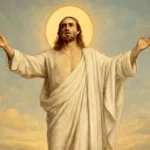
Christianity teaches that there is one God and describes God through the doctrine of the Trinity: Father, Son, and Holy Spirit. Christians do not mean three gods. They mean one divine being known in three distinct persons. Christian theology also centers on Jesus Christ, whom Christians understand as the incarnation of God’s Son. The Gospel of John, for example, presents Jesus as uniquely revealing God, while Christian writings such as 1 John emphasize divine love.
Islam teaches tawhid, the absolute oneness and uniqueness of God, known as Allah in Arabic. Allah is understood as creator, merciful judge, and sovereign Lord. Islamic theology rejects the idea that God has partners, equals, or an incarnation. The Quran’s descriptions of God emphasize both divine majesty and mercy, while also warning against treating created things as divine.
These traditions share several important convictions: God is not a created object, the universe depends on God, human beings have moral responsibilities, and worship should be directed toward God rather than toward nature, wealth, rulers, or personal desire. Their differences are substantial, especially concerning revelation, Jesus, and the relationship between God and the world.
How Hindu and Buddhist traditions approach the divine
Religious traditions from South Asia do not all use the word God in the same way. Hinduism includes many theological approaches, ranging from devotion to a personal deity to philosophical accounts of ultimate reality. Some Hindu schools speak of Brahman as the infinite, ultimate reality behind all things. Others focus on a personal form of the divine, such as Vishnu, Shiva, Devi, or another revered manifestation.
For many Hindus, the divine can be understood as both beyond the universe and present within it. A person may worship a particular deity while also believing that ultimate reality exceeds every image and description. The relationship between Brahman, individual souls, and the material world is interpreted differently by different Hindu philosophical schools.
Buddhism generally does not center on a creator God. Buddhist teachings focus on suffering, its causes, the possibility of freedom from suffering, and the path of ethical and mental training that leads toward awakening. Some Buddhist cultures honor celestial beings or bodhisattvas, but these beings are not necessarily understood as an all-powerful creator who made the universe.
This difference matters because the question “What is God?” may not be the most central question in every religion. A Buddhist may respond by asking how attachment, ignorance, and compassion affect the way you live. A Hindu may ask which conception of ultimate reality fits your spiritual path. The absence of a creator-God doctrine does not mean a tradition lacks deep reflection on ultimate reality, morality, or human purpose.
What philosophers mean by God
Philosophers have often described God using concepts that go beyond ordinary human categories. One classic approach calls God the necessary being. A necessary being is not dependent on anything else for existence, unlike ordinary objects, which begin, change, and depend on conditions outside themselves.
Another approach calls God the first cause or the source of causation. The basic idea is that things in the universe depend on prior causes, and that the universe may ultimately depend on a reality outside the chain of dependent causes. This argument does not by itself prove every teaching of a particular religion; it addresses the question of why anything exists at all.
Philosophers have also described God as the greatest conceivable being, possessing qualities such as perfect knowledge, perfect goodness, and unlimited power. These qualities are often called divine attributes. They raise difficult questions: Can unlimited power include doing what is logically contradictory? How can a perfectly good and powerful God allow suffering? Can a timeless God act within time?
Some philosophers argue that the order and apparent fine-tuning of the universe point toward intelligence. Others explain cosmic order through natural processes and argue that the evidence does not require belief in God. The moral argument claims that objective moral values are best explained by God, while critics argue that morality can be grounded in human flourishing, reason, social obligations, or facts about conscious beings.
The ontological argument attempts to reason from the concept of a greatest possible being to that being’s existence. It has influenced philosophical discussion for centuries, but many people find its premises unpersuasive. These arguments are not simple scientific proofs. They are attempts to reason about questions that science may not be designed to settle, such as why there is a universe or whether moral truth is objective.
Religious believers often speak of God through a group of traditional attributes. These descriptions are not always interpreted literally or in exactly the same way. They are attempts to express what God is like using human language, which many traditions regard as limited when applied to the divine.
Omnipotence: God has supreme power, though theologians disagree about how divine power relates to logical possibility, human freedom, and natural laws.
Omniscience: God knows all things, including the past, present, and future, although different traditions explain foreknowledge and free will differently.
Omnipresence: God is present everywhere or is not limited by physical location.
Perfect goodness: God is the fullest source or standard of goodness, justice, and love.
Eternity: God does not depend on time in the same way created things do. Some believers understand God as outside time; others emphasize God’s continuing relationship with time.
Unchangeability: God’s character and purposes do not shift according to human moods, even though many traditions describe God as responding to prayer and events.
Holiness: God is set apart from ordinary created reality and is morally pure or spiritually incomparable.
These attributes can seem to conflict when placed together. If God knows everything, people may wonder whether their choices are genuinely free. If God is perfectly good and powerful, suffering becomes a serious challenge. Religious thinkers have offered answers involving human freedom, the formation of character, the regularity of nature, the effects of evil, and the limits of human understanding. None of these answers removes the emotional force of suffering or settles every philosophical question.
What God means in ordinary religious life
For many believers, God is not primarily an idea discussed in philosophy. God is understood as someone encountered through prayer, worship, conscience, sacred texts, community, and acts of mercy. A person may believe in God because of religious experience, a sense of forgiveness, a conviction that prayer has been answered, or a lifelong pattern of faith within family and community.
Prayer can involve asking for help, expressing gratitude, confessing wrongdoing, grieving, seeking guidance, or sitting quietly in awareness of God. Worship may include music, silence, spoken prayers, rituals, fasting, study, or service to others. These practices are meant to shape a person’s attention and conduct, not merely to provide information about the divine.
Many religions connect belief in God with ethical obligations. If every person has dignity because human life comes from God, then exploitation, cruelty, and injustice are serious wrongs. Care for the poor, honesty, forgiveness, protection of strangers, and responsibility for creation appear in different forms across religious traditions.
Belief also does not always produce certainty. A religious person may experience doubt, anger, silence, or confusion. Some believers understand faith as trust that continues alongside unanswered questions. Others move between belief and unbelief over time. A person’s stated religious identity may describe family, culture, or community even when personal conviction is uncertain.
For personal reflection: Ask which question is beneath your question about God: “Does God exist?”, “Why is there suffering?”, “Can God forgive me?”, “What gives life meaning?”, or “How should I live?” The answer you seek may depend on the question underneath.
Common mistakes when thinking about God
People often reach confusion by treating a complex idea as if it were a simple physical object. Clear thinking does not require you to agree with religious belief, but it does help to distinguish different claims before accepting or rejecting them.
Reducing God to an old person in the sky: Some religious art uses human images, but major theologies generally do not define God as a physical human being located somewhere in the atmosphere.
Assuming every religion means the same thing by God: Religions share vocabulary such as creator, spirit, or divine, yet their teachings may differ sharply.
Confusing “I cannot see God” with “God cannot exist”: Many believers understand God as nonphysical, so physical observation is not the only kind of evidence they consider.
Confusing religious institutions with God: A church, mosque, synagogue, temple, or religious leader may represent a tradition without perfectly expressing its ideals.
Using suffering as a shallow argument: Suffering is a serious challenge to belief in a good and powerful God, not a problem that can be dismissed with a quick phrase.
Assuming science has already answered every question: Science is exceptionally effective at investigating natural processes. Questions about ultimate meaning, value, and why there is something rather than nothing may involve philosophy and theology as well.
Assuming faith means never questioning: Many religious traditions include doubt, lament, debate, and intellectual disagreement as part of sincere religious life.
A careful approach compares specific claims rather than arguing about a vague word. For example, “God is the creator of the universe,” “God answers prayer,” and “God became human in Jesus” are different claims requiring different kinds of examination. You can ask what a tradition teaches, what reasons it gives, how its followers interpret difficult passages, and whether its conclusions fit your understanding of reality.
How to explore the question of God carefully
If you are unsure what you believe, you do not have to settle every issue at once. Start by identifying the kind of answer you want. A philosophical answer may discuss existence and causation. A religious answer may focus on revelation and worship. A personal answer may address guilt, grief, hope, or the experience of prayer.
Define the word. Ask whether you mean a personal creator, an impersonal ultimate reality, a specific religious understanding, or something else.
Compare primary sources. Read representative passages from sacred texts in a reliable translation, paying attention to their context rather than isolated quotations.
Learn from informed believers and critics. Seek people who can explain their own tradition accurately and who can acknowledge its difficult questions.
Separate evidence from experience. Personal experiences can be meaningful, but they may not persuade everyone. Philosophical arguments can be rigorous, but they may not address every personal concern.
Examine the practical effects. Consider whether a belief encourages honesty, humility, compassion, justice, and responsibility rather than merely providing a label.
Allow time for uncertainty. You can ask serious questions without pretending to possess certainty you do not have.
It can also help to keep a written list of your strongest reasons for belief and disbelief. Include emotional reasons, philosophical reasons, experiences, and questions about religious texts. This prevents one powerful moment—positive or negative—from carrying the entire weight of your conclusion.
The question of God affects more than a definition in a dictionary. If God is real and personal, then life may involve relationship, accountability, worship, and hope. If God is not real, a person may still pursue morality, community, beauty, and meaning, but those values will be understood without reference to a divine source.
For believers, human worth may come from being created and loved by God rather than from intelligence, wealth, usefulness, health, or social status. This view can support a strong commitment to protecting vulnerable people. It can also create difficult questions about how divine judgment, human freedom, and religious disagreement fit together.
For nonbelievers, rejecting belief in God does not necessarily mean rejecting morality or purpose. Many atheists and agnostics ground ethical life in empathy, reason, human rights, shared vulnerability, and the consequences of actions. They may view meaning as something people create and sustain through relationships, commitments, and service.
For an agnostic, the most honest position may be that the available evidence does not justify certainty. Agnosticism can be a temporary position while someone investigates, or a settled view that the question exceeds what humans can know. It is distinct from hostility toward religion and does not automatically imply indifference to spiritual questions.
So, what is God? The answer depends on the framework being used. In many religions, God is the transcendent and personal source of all existence, perfect in goodness and worthy of worship. In other traditions, the divine is understood more impersonally, while some religions do not center on a creator God at all. The question remains both philosophical and personal: it concerns what is ultimately real, what makes life meaningful, and how you should live in light of what you believe.
Frequently asked questions
Is God a person or a force?
Religious traditions answer this differently. Judaism, Christianity, and Islam generally describe God as personal, meaning God knows, chooses, and relates to people, without being a human body. Other views describe God as an impersonal ground of existence, universal consciousness, or sacred reality. The word “force” can be misleading because it may suggest a natural energy rather than an ultimate source or divine presence.
What is the difference between God and the universe?
In classical monotheism, God created the universe and is not dependent on it, so God is distinct from creation. Pantheism identifies God with the universe, while panentheism holds that the universe exists within God but does not exhaust God’s reality. These are philosophical and theological distinctions, not scientific descriptions that can be tested in a laboratory.
Can someone believe in God and still have doubts?
Yes. Many religious believers experience uncertainty, unanswered prayer, anger, or periods when God seems absent. Faith may mean trust without complete certainty rather than constant emotional confidence. Honest questioning can lead someone to study more carefully and revise shallow assumptions. Doubt becomes unhealthy when it is treated as something that must be hidden rather than examined thoughtfully.
Why do different religions describe God differently?
Religions developed within different histories, languages, cultures, and understandings of revelation. They ask overlapping questions but use different scriptures, practices, and theological concepts. Some differences concern God’s relationship with the world, while others concern prophets, incarnation, salvation, or the nature of ultimate reality. Comparing traditions fairly requires listening to each tradition’s own explanations rather than treating one simplified version as representative.










Leave a Reply