What is original sin? A clear Christian explanation
What is original sin? A clear Christian explanation
When a child does something wrong without being taught how to do it, you may wonder: why do selfishness, jealousy, and dishonesty seem to come so naturally to people? Christian teaching about original sin addresses that question. It does not usually mean that every person personally committed Adam’s act. It means that humanity lives with a damaged condition—alienation from God, disordered desires, and a tendency toward sin—that Christians traditionally trace to the first human rebellion described in Genesis 3.
The phrase can sound as if it refers to a particular wrongdoing someone committed at birth. More precisely, it describes the origin and inherited consequences of human sinfulness. Different Christian traditions explain those consequences in different ways. Some emphasize inherited guilt, some stress corruption and spiritual death, and some describe humanity as born into a broken world with a weakened will.
Short answer: Original sin is the Christian doctrine that the first human sin wounded humanity’s relationship with God, leaving every person in need of divine grace and redemption.
The basic story appears in Genesis 2–3. God gives the first humans a good environment, a command, and freedom to trust or reject him. They disobey, and the story presents the results as shame, fear, blame, alienation, and exclusion from Eden. These details form the narrative foundation for later Christian reflection on sin’s presence in every human life.
The New Testament connects Adam’s trespass with the universal human condition, especially in Romans 5:12–21 and 1 Corinthians 15:21–22. Paul contrasts Adam, through whom sin and death enter the human story, with Christ, through whom grace, righteousness, and life are offered. These passages are central to the Christian conviction that humanity’s problem is deeper than isolated bad choices.
The exact phrase “original sin” became especially influential in the Western church through the work of Augustine of Hippo and later theological traditions. Christians did not all develop the doctrine in the same way, however. The Eastern Orthodox tradition generally speaks more readily about ancestral sin, emphasizing inherited mortality and corruption rather than inherited personal guilt.
What original sin means, step by step
A useful way to understand the doctrine is to separate several ideas that are often blended together. Original sin concerns human nature, relationships, desires, death, and responsibility. It is not simply a label for the first act recorded in Genesis.
Humanity was created good. Christian teaching begins with the goodness of creation, not with the claim that bodies, emotions, or ordinary human existence are evil. Genesis presents creation as belonging to God and carrying inherent value.
Human beings turned from trusting God. The first sin represents a refusal to receive life on God’s terms. It involves disobedience, misplaced desire, and the attempt to define good and evil independently of the Creator.
That rebellion damaged the human condition. After the fall, people experience broken communion with God, inner conflict, suffering, and death. Sin becomes a power that affects human life, not only a series of separate actions.
Every generation enters that damaged condition. People are born into families, cultures, systems, and bodies already shaped by sin. They inherit a world where distrust, violence, pride, and injustice are normal possibilities.
People also commit their own sins. Original sin does not remove personal responsibility. Each person makes real choices and can knowingly act against conscience, love, justice, or God’s commands.
Grace is needed for restoration. Christian belief holds that human effort, moral improvement, or religious performance cannot fully repair separation from God. Reconciliation depends on God’s initiative and mercy.
This breakdown prevents two common misunderstandings. Original sin does not mean that everything about a person is equally evil, and it does not mean that people are incapable of kindness, beauty, courage, or genuine love. It means that human goodness is incomplete and that sin reaches deeply into motives, relationships, and communities.
How original sin differs from personal sin
Personal sin refers to an individual’s thoughts, words, attitudes, and actions that reject God’s will or harm a neighbor. Examples include deliberate deceit, cruelty, exploitation, hatred, and persistent indifference to another person’s suffering. Personal sin is something a person does or willingly embraces.
Original sin describes the condition into which people are born. It is not a single choice made by a newborn, nor is it the same as a particular moral failure. The doctrine says that people begin life already affected by humanity’s separation from God, before they have the understanding needed to make many personal moral decisions.
The distinction can be expressed in three questions:
What happened to humanity? Original sin answers that the human race became alienated from God and subject to corruption and death.
What does an individual choose? Personal sin answers that each person freely participates in wrongdoing through specific thoughts, words, and actions.
What does God provide? Grace answers that God offers forgiveness, healing, and new life rather than leaving people trapped in their inherited condition.
Some Western Christian traditions use the word guilt when describing original sin, while carefully distinguishing inherited guilt from the guilt of personal acts. Other traditions prefer to speak of inherited consequences, such as mortality and a bent toward sin. These differences matter because they affect how Christians discuss infants, baptism, human freedom, and salvation.
What Adam and Eve represent in the doctrine
Adam and Eve are central to the biblical story because they represent the first humans and, in Christian interpretation, the human race’s original relationship with God. Their disobedience is not treated merely as an ancient family mistake. It illustrates a universal pattern: people receive gifts from God, distrust his wisdom, seek independence, and then experience shame and separation.
Christian readers differ on how literally to understand every feature of Genesis 3. Some regard Adam and Eve as historical individuals, while others understand the account as a theological narrative that communicates truths about humanity through symbolic imagery. Both approaches can affirm the central doctrine that human beings are created for communion with God but have become estranged through sin.
The story also shows that sin affects more than one dimension of life. The humans hide from God, shift blame, experience conflict with each other, and face the hardship and mortality associated with life outside Eden. In that sense, original sin includes relational damage: people are not only guilty before God but also divided within themselves, against one another, and within the created world.
Genesis 3 presents sin as a rupture of trust that spreads through every human relationship.
Why Christians say original sin affects everyone
Christians point to the persistence and universality of sin. Every society develops rules against murder, theft, betrayal, or abuse, yet every society also experiences those wrongs. Individuals may sincerely want to do what is right and still discover conflicting desires, repeated failures, and habits they cannot easily break.
Paul’s discussion in Romans 3:9–23 portrays Jews and Gentiles alike as accountable to God and unable to claim righteousness based on their own record. The passage is not saying that every person is as wicked as possible. It is saying that no one has a completely clean standing before God through personal achievement.
The doctrine also addresses sins that are larger than individual intention. A person may benefit from an unjust system without having designed it. A family may pass down patterns of anger or neglect. A community may normalize prejudice. Original sin gives Christians language for the fact that sin is personal and social, visible in choices and embedded in institutions.
That does not excuse anyone from responsibility. Instead, it encourages a more complete diagnosis. A person may need forgiveness for a deliberate act, healing for a learned pattern, and protection from an unjust environment. Christian responses to sin therefore include repentance, reconciliation, restitution, spiritual formation, and practical action against harm.
How major Christian traditions explain original sin
Roman Catholic teaching on original sin
Roman Catholic theology describes original sin as a deprivation of original holiness and justice. Humanity no longer possesses the original harmony with God that Christian teaching associates with creation before the fall. The Catechism distinguishes this inherited condition from a personal fault committed by each individual, while still teaching that it leaves human nature wounded and inclined toward sin.
Catholic theology often uses the image of a wound rather than total destruction. Human reason, freedom, and moral responsibility remain, but they are weakened. People can recognize many goods and perform genuinely good actions, yet they need grace to be reconciled with God and healed from sin’s power.
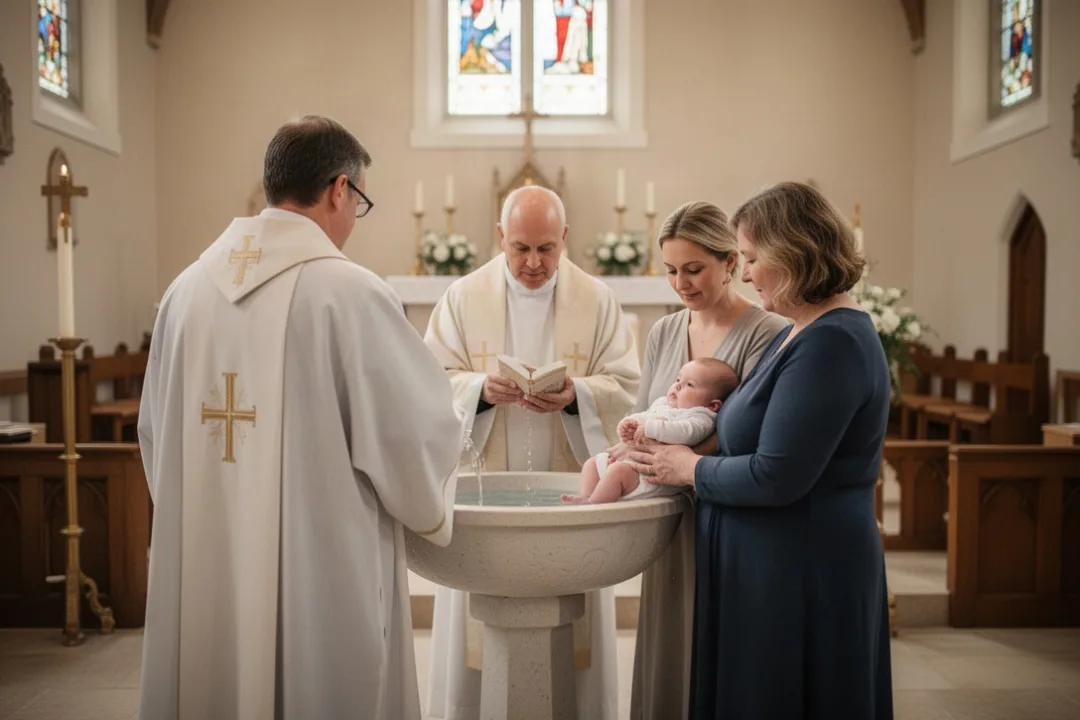
In Catholic practice, infant baptism is connected with the forgiveness of original sin. This does not mean an infant has committed a personal offense. Baptism signifies incorporation into Christ and the reception of divine life, while the tendency toward sin and the effects of a fallen world remain part of ordinary human experience.
Protestant explanations of original sin
Protestant churches do not speak with one voice, but many classic Protestant confessions teach that the fall affects the whole person. The mind, will, emotions, and body are all touched by sin. Some traditions emphasize total depravity, a phrase that means sin reaches every part of human nature—not that every person is as bad as possible or unable to do any outward good.
Many Protestant traditions also emphasize inherited guilt or condemnation alongside inherited corruption. They teach that people cannot make themselves righteous before God through moral effort and therefore depend on justification by grace through faith. Baptism may be practiced for infants or believers depending on the denomination, so its relationship to original sin varies.
Reformed, Lutheran, Anglican, Wesleyan, Baptist, and other Protestant traditions may use overlapping language while drawing different conclusions about free will, baptism, election, and the extent of human ability. A careful explanation should identify the specific church rather than treating all Protestants as holding one identical view.
Eastern Orthodox teaching about ancestral sin
Eastern Orthodox Christians commonly prefer the term ancestral sin. The emphasis is often on the inheritance of mortality, corruption, and a world bent away from God rather than on the idea that a newborn bears personal blame for Adam’s action.
Orthodox theology still takes the fall seriously. Humanity needs healing, illumination, and union with God, and Christ’s saving work is essential. The difference is often one of emphasis and vocabulary: Western accounts may focus more on guilt and legal standing, while Eastern accounts frequently stress death, corruption, and restoration.
Orthodox Christians baptize infants and understand baptism as entry into the life of the church and participation in Christ. The practice does not require the claim that an infant has consciously committed personal sin. It reflects the belief that all people need God’s life and healing.
Does original sin mean babies are guilty?
This question troubles many people because the doctrine can sound unfair if “guilty” means personally responsible for a deliberate choice. Most Christian traditions distinguish between personal culpability and the inherited condition of humanity. A baby has not lied, abused someone, or consciously rejected God, so the child’s situation cannot be described in exactly the same way as an adult’s chosen wrongdoing.
Traditions differ in how they describe the spiritual status of infants who die. Some place strong emphasis on baptism, some entrust such children to God’s mercy, and some teach that God judges people according to the light and responsibility available to them. Christians should avoid claiming certainty where their tradition has not provided a clear answer.
The central point is that original sin explains why every person needs grace, not that God takes pleasure in condemning those who lack moral understanding. Christian teaching presents God as just and merciful, while recognizing that humanity’s brokenness begins before individual moral awareness.
What original sin says about human freedom
Original sin raises a difficult question: if human nature is corrupted, can people still choose freely? Christian answers depend on the tradition, but most reject the idea that fallen people are robots. People make decisions, form intentions, respond to reasons, and can be held accountable for what they do.
The disagreement concerns the condition of the will. Some Christians say people retain enough freedom to respond to God’s call, especially because prevenient grace enables that response. Others say fallen people can choose many ordinary goods but cannot turn themselves to God in saving faith without a prior work of grace. Still others describe salvation as healing the will so that genuine freedom becomes possible.
Freedom in Christian theology is not always defined as the ability to choose anything without influence. It may mean the ability to act according to what one most deeply desires. Since sin disorders desire, people can be free in a limited sense while remaining unable to love God with complete devotion. Grace does not merely cancel a legal penalty; it renews the person’s desires and capacities.
How original sin relates to suffering and death
Christian interpretations connect the fall with death, but they do not all explain the connection in exactly the same way. Genesis presents death as part of the judgment and loss associated with leaving Eden. Paul describes death as an enemy linked with sin and contrasts Adam’s role with Christ’s resurrection and life.
Some Christians understand this as a direct historical change in human mortality. Others focus on the theological meaning: humanity has lost its intended communion with God and now lives under the power of death. In both cases, the doctrine does not mean that every illness or tragedy can be traced to a particular person’s personal sin.
Jesus rejects simplistic explanations of suffering in passages such as John 9:1–3 and Luke 13:1–5. Those teachings caution against assuming that victims suffer because they are worse sinners than others. Original sin describes the general brokenness of the world; it does not provide permission to blame individuals for every disaster, disease, or hardship.
Important distinction: A fallen world is not the same as a world where every painful event is a direct punishment for the person experiencing it. Christian compassion requires care, justice, and humility rather than automatic blame.
How Jesus Christ answers the problem of original sin
Christian teaching does not present original sin as an isolated diagnosis. It is part of the larger story of creation, fall, redemption, and restoration. Jesus is described in the New Testament as the one who brings forgiveness, reconciliation, victory over death, and a new humanity.
Romans 5 contrasts Adam and Christ. Adam represents disobedience and the reign of death; Christ represents obedience, grace, righteousness, and life. First Corinthians 15 uses similar contrasts when discussing resurrection. The point is not merely that Jesus helps people behave better. It is that Christ addresses sin at its source and offers a new relationship with God.
Different churches explain the cross using several complementary models. Christians may emphasize Christ bearing sin’s judgment, defeating the powers of evil and death, revealing God’s love, healing human nature, or reconciling humanity to God. These explanations differ in emphasis, but they agree that salvation is God’s gift rather than an achievement earned by flawless behavior.
Christian transformation includes forgiveness, but it is not limited to a cleared record. The New Testament also speaks of new birth, adoption, sanctification, resurrection, and union with Christ. Through these ideas, Christians express the belief that grace restores what sin has damaged and gradually reshapes the person’s life.
Common misunderstandings about original sin
“Original sin means sex or the body is evil.” That is not the mainstream Christian teaching. The doctrine concerns disobedience and alienation from God, not the existence of physical bodies or marital intimacy.
“It means people are as bad as they can possibly be.” Most traditions do not teach that every person commits the maximum possible evil. They teach that sin affects every part of human nature and that no one is perfectly righteous by personal effort.
“It means people have no responsibility for their choices.” The opposite is closer to the traditional view. Original sin explains why people need grace, while personal sin remains morally significant.
“It means God condemns people for Adam’s private mistake only.” Christian theology usually connects inherited sin with humanity’s own participation in sin across generations, not with a purely arbitrary transfer of blame.
“It proves that everything in human beings is worthless.” Christian teaching continues to affirm that people bear God’s image and possess dignity, even while that image and human life are marred by sin.
“Every Christian tradition defines it identically.” Catholic, Protestant, and Orthodox accounts overlap but differ in their treatment of guilt, corruption, mortality, baptism, and freedom.
Why the doctrine matters in ordinary life
Original sin gives Christians a framework for taking wrongdoing seriously without assuming that human beings are beyond hope. It explains why good intentions alone do not cure injustice, why harmful habits can become deeply rooted, and why people need both personal repentance and communal repair.
The doctrine can also protect against two opposite errors. One is naïveté—the belief that education, wealth, technology, or better rules will automatically eliminate evil. The other is despair—the belief that people cannot change. Christianity holds that human beings are genuinely damaged but also genuinely reachable by grace.
In practical terms, a Christian response to sin may include:
admitting wrongdoing without minimizing its harm;
asking forgiveness from God and from people who were injured;
making restitution where possible rather than relying on words alone;
examining family, cultural, and institutional patterns that encourage harm;
receiving spiritual practices, community support, and accountability;
extending mercy without confusing mercy with the absence of justice;
trusting that transformation is possible while recognizing that growth is often gradual.
For someone wrestling with shame, original sin should not be used as a way to say, “You are hopeless.” Its Christian purpose is to tell the truth about the depth of the problem and the breadth of God’s grace. A person is not reducible to their worst action, yet healing requires honesty about the action and its consequences.
How to explain original sin in one clear paragraph
If you need a concise explanation, you can say: Original sin is the Christian belief that humanity’s first rebellion against God damaged human nature and introduced alienation, corruption, and death into the human condition. Everyone is born into that broken reality and later commits personal sins, so everyone needs God’s grace. Christian traditions disagree about inherited guilt and the precise effects of the fall, but they agree that Christ is the answer to humanity’s separation from God.
That explanation leaves room for the major differences among Christian churches while preserving the doctrine’s central claims. It also keeps the focus where Christian theology places it: not on human failure alone, but on God’s work of forgiveness, healing, and restoration.
Questions to ask when comparing Christian views
When a church, book, or speaker explains original sin, several questions can clarify what is being taught. Listen for the meaning assigned to “guilt,” “corruption,” “death,” and “freedom,” since the same word may carry different theological assumptions.
Does the tradition distinguish Adam’s sin from each person’s personal sins?
Does it describe the inherited condition mainly as guilt, corruption, mortality, or separation from God?
How does it explain the moral and spiritual status of infants?
What role does baptism play in relation to original or ancestral sin?
How does grace affect human freedom and the ability to respond to God?
Does salvation mean only forgiveness, or also healing, transformation, and participation in divine life?
These questions help prevent arguments caused by different definitions. Two Christians may both affirm that humanity fell and needs grace while using different language about how that condition is inherited. Understanding those distinctions makes conversations about sin, responsibility, mercy, and salvation more accurate and more charitable.
Frequently asked questions
Is original sin the first sin ever committed?
The first sin in the biblical human story is often associated with Adam and Eve’s disobedience in Genesis 3. “Original sin,” however, usually refers to the continuing condition and consequences that followed that event, not merely to the act itself. Personal sins are the individual wrongs people commit later in their own lives.
Do all Christians believe exactly the same thing about original sin?
No. Catholic theology commonly emphasizes a wounded nature and inherited deprivation of original holiness. Many Protestant traditions stress corruption and, in some cases, inherited guilt. Eastern Orthodox Christians often use “ancestral sin” to emphasize mortality and corruption. These traditions agree that humanity needs God’s grace but differ in their explanations.
Can people do good things if they have original sin?
Yes. Christian teaching generally affirms that people can show kindness, courage, generosity, creativity, and justice. Original sin means that human goodness is incomplete and that people cannot restore perfect fellowship with God through their achievements. It does not mean every action is evil or that human beings have no value.
How does baptism relate to original sin?
The answer depends on the church. Catholic and Orthodox traditions baptize infants and connect baptism with entry into Christ’s life and healing from inherited sin. Some Protestant churches baptize infants, while others reserve baptism for professing believers. In every tradition, baptism is understood through that church’s wider teaching about grace and salvation.









Leave a Reply