In many churches, candlelight carries a deep sense of reverence, memory, and communal prayer. The devices that hold those candles—often quiet, unobtrusive, and enduring—play a critical role in shaping the sacred ambiance. Durable candle holders are not merely functional objects; they are architectural details that support liturgy, protect worshippers and sacred spaces, and contribute to the overall aesthetic dignity of ceremonies, seasons, and rites. When a church selects a candle holder system, it is choosing how light will be distributed, how wax drips will be managed, how safety is upheld, and how lasting tradition is visually expressed.
The goal of this article is to provide a thorough overview of candle holders for church candles, with a focus on durability, elegance, and versatility. You will find guidance on different types of holders, materials suitable for high-traffic sacred spaces, design considerations that align with liturgical calendars, and practical advice for maintenance, safety, and installation. Whether you are outfitting a historic nave, a contemporary chapel, or a parish hall used for retreat days, the right candle holder system can harmonize function and beauty.
Why candle holders matter in sacred spaces
Candle holders do more than contain flames; they frame light, guide procession, and create focal points for prayer. The right holder can enhance clarity for readers and acoustics for spoken word, while also shielding worshippers from accidental contact with hot wax or flame. In historic churches, the ornamental quality of brass or bronze candelabras may reflect centuries of craftsmanship, while in modern sanctuaries, sleek glass and steel can communicate a contemporary spiritual atmosphere without sacrificing reverence.
Symbolism is another important consideration. Some holders incorporate motifs—lilies, crosses, or geometric patterns—that echo church architecture and theological themes. Seasonal arrangements, such as Advent wreaths or Paschal candle displays, rely on adaptable holders that can be quickly reconfigured without losing their structural integrity. In all cases, the holder must support the flame safely while maintaining an unobstructed line of sight to the altar and the pulpit.
Key considerations for choosing candle holders
Selecting the right candle holders involves balancing durability, safety, ease of maintenance, and liturgical fit. The following factors help parishes evaluate options systematically:
Material durability and suitability
Metal types such as brass, bronze, stainless steel, and wrought iron offer excellent durability and corrosion resistance. A well-sealed brass or bronze finish can last for generations with minimal maintenance.
Wood provides warmth and traditional appeal but may require protective coatings and environmental control to prevent warping or staining.
Glass and crystal can create luminous effects but must be tempered and securely mounted to avoid breakage.
Stone and ceramic are sturdy and timeless for altar surroundings but can be heavy and require careful handling in transport and installation.
Combination designs—for example, a metal frame with glass hurricane—offer both durability and aesthetic versatility.
Compatibility with candle types
Taper candles (thin, tall) and pillar candles require different socket designs and drip protection. A good holder accommodates a stable base and allows for wax management.
Novena and votive candles are shorter and often grouped; holders should provide secure channels or cups to prevent tipping.
Paschal candles and seasonal displays may need extension arms or adjustable heights to maintain visibility and access.
Safety and stability
Strong bases and anti-tip designs minimize the risk of accidental tipping during processions or gatherings.
Wind protection, drip cups, and spill containment prevent wax damage to floors and textiles.
Heat resistance is essential for any holder near heat sources or where candles burn for long durations.
Secure mounting systems (screws, studs, or high-grade brackets) protect against movement in busy spaces or during renovations.
Aesthetics and liturgical fit
Harmonize with architectural style (Gothic, Romanesque, modern, or vernacular) and with existing metalwork, timber, or stone.
Color and finish should complement the sanctuary’s palette; antique brass, polished bronze, matte pewter, and warm oak tones all convey different atmospheres.
Scale matters: holders should be visually proportionate to altars, lecterns, and nave width.
Maintenance and long-term care
Choose finishes that resist tarnish and easy cleaning routines. Some patinas are designed to mature gracefully with use, while others require regular polishing.
Ease of disassembly for waxing or replacement parts reduces downtime during liturgical seasons.
Replaceable components (drip cups, glass sleeves, wicks) extend the life of a holder rather than requiring full replacement.
Varieties of candle holders for church candles
Churches use a wide spectrum of candle holders to meet functional demands and to reflect liturgical symbolism. The following categories cover common variations of candle holders for church environments. Each category can be customized in material, finish, and configuration to fit a specific house of worship.
Standing candelabras and floor stands
Standing candelabras provide a dramatic, vertical axis of light. They are well suited for processions, chancel arches, and nave centers. Common features include a broad base for stability, multiple arms, and a height that places flame centers at an appropriate eye line for congregants. Variations range from simple, single-arm designs to elaborate multi-arm candelabras with intricate detailing.
Single-arm floor stands for altars or lecterns.
Multi-arm candelabras that can hold several candles at once, suitable for sacral spaces requiring generous illumination.
Adjustable-height designs to accommodate different liturgical settings without moving the base.
Wall-mounted holders and sconces
Wall sconces help liberate floor space while bringing light closer to the congregation. They range from slender, understated forms to ornate fixtures with domed shields. Wall-mounted options are favored in long naves or chapels with limited floor space. They can be fixed or extendable, allowing for directional lighting during ceremonies.
Low-profile sconces that keep sightlines clear for readers and clergy.
Sconces with protective galleries to deflect wax splatter and debris.
Fixtures designed for easy repositioning to align with seasonal arrangements.
Ceiling-hung chandeliers and pendant holders
Ceiling-hung chandeliers create an elevated glow that envelops the space, often used in grand sanctuaries or chapels with tall ceilings. They provide even diffusion of light and can be bold architectural statements when crafted with meticulous metalwork and glass elements.
Tiered chandelier designs with multiple branches for even distribution.
Pendant holders with protective glass or metal shades to reduce glare.
Suspension systems engineered to meet seismic or structural requirements for safety.
Tabletop and altar mounts
Tabletop and altar mounts are essential close to the liturgical action. They can be portable for processionals or fixed to the altar or credence tables. These holders prioritize accessibility for clergy and lay ministers and often incorporate features like drip basins and adjustable heights.
Altar candlesticks in varied heights to create cascading light on the altar crew.
Portable stands for use in devotional chapels or visiting spaces.
Integrated drip trays that protect altar cloths and stonework.
Pillar and taper holders
Pillar holders and taper stands address the classic needs of solemn processions and congregational lighting. Pillar holders may accommodate tall pillars of wax while taper stands emphasize slender lines and elegance. Materials often emphasize a traditional look—polished brass, bronze, or patinated iron.
Wide bases for stability on altar risers or stone floors.
Protective cups and guides that reduce wax drips.
Compatibility with different diameter candles through adaptable sockets.
Votive holders come in sets and are ideal for intimate prayer corners, side chapels, or memorial displays. They often use glass cups and can be arranged in clusters to create a contemplative atmosphere. Votive sleeves and lantern-inspired designs soften the glow and offer targeted pools of light.
Small glass votives suitable for devotional use and private prayer.
Grouped arrangements for memorials or feast days.
Protective metal frames that keep the glass secure and reduce wind exposure.
Processional and shrine torch holders
For processions, churches may employ processional candle holders or torch-like fixtures designed to be carried or mounted. These typically feature ergonomic grips or secure mounting points to keep candles steady during movement. Shrines and side chapels may use sturdy torches or tall cylinders designed to be carried by acolytes or secured within a shrine niche.
Processional stands with carry handles and wind shields.
Long, narrow holders that prevent candle shadows on participants.
Shadows and light patterns considered for readability of inscriptions.
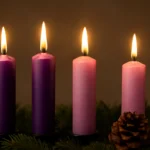
Advent wreaths and seasonal arrangements
Seasonal liturgical décor often centers on Advent wreaths and seasonal displays. These require holders that can be assembled quickly, rearranged, and stored compactly. Durable metal frames or wooden bases with corrosion-resistant finishes are common, along with interchangeable candles and decorative elements like greens, ribbons, and metal cuffs.
Interchangeable candle rings for different seasons.
Sturdy bases to prevent tipping during windy entrances or windows.
Protective drips and spill containment for seasonal wax usage.
Candle jars, hurricanes, and glass enclosures
For churches that want to protect flame and wax while maintaining a luminous glow, glass hurricanes and candle jars are effective options. They offer wind resistance and a soft diffusion of light, essential in drafty sanctuaries or outdoor chapels. They can be mounted or placed on stands.
Glass sleeves or hurricane covers to mitigate air currents.
Clear or tinted glass to influence the ambiance.
Removable caps for easy cleaning and candle replacement.
Lanterns, niches, and integrated shrine lighting
Lantern-style holders and niche-integrated lighting bring a sense of enclosure and focus in chapels and sacred alcoves. These often feature protective outer casings and a discreet mounting method that blends with architectural niches, altars, and statues.
Metal lantern frames with glass panels for secure candle protection.
Inset niche lighting that highlights carvings or icons.
Rechargeable or replaceable candle options in lanterns for safety.
Flags for style and symbolism: decorative versus functional
Churches balance decorative elegance with functional reliability. Some holders emphasize elaborate ornamentation and period-correct detailing, while others prioritize streamlined lines and low maintenance. Both approaches can be durable if designed with appropriate materials, protective finishes, and secure mounting systems.
The material palette chosen for candle holders communicates a lot about a church’s identity. Material affects durability, maintenance, and how light is perceived in worship spaces. Here is a practical rundown of common materials and their characteristic aesthetics:
Brass and bronze: Classic, warm tones; durable with natural patina development. These metals are common in traditional sanctuaries and can be lacquered or left to mellow with age.
Stainless steel: Modern, clean lines; highly resistant to corrosion and easy to clean. Often used in contemporary chapels.
Iron and wrought iron: Rustic or highly decorative; strong but may require protective coatings to prevent rust in humid environments.
Aluminum: Lightweight, versatile, and corrosion-resistant; great for portable or modular systems.
Wood: Warmth and natural texture; works well in traditional settings but requires sealing and climate control to resist warping and wax damage.
Glass and crystal: Light diffusion and elegance; should be paired with sturdy frames and shock protection.
Stone and ceramic: Heirloom quality and timeless presence; typically heavy and best suited for permanent installations.
The choice of finish also matters. Polished finishes convey formality and splendor, while brushed or antiqued surfaces suggest reverence and aged beauty. When selecting finishes, it is prudent to consider maintenance cycles, potential tarnish, and the ability to harmonize with existing metalwork in the church interior.
Design considerations for durability and maintenance
A durable candle holder must withstand daily use, seasonal changes, and occasional liturgical rites that require quick changes in display. Here are practical design considerations that contribute to long-term reliability:
Security and mounting: Fixed, heavy bases or wall-mounted brackets reduce movement; ensure mounting hardware is appropriate for mosque, nave, or chapel architecture.
Wax management: Drip cups, spill guards, and removable liners prevent wax damage to floors, textiles, and stone surfaces.
Heat management: Materials and designs should tolerate the heat generated by candles, especially long-burning candles near fabrics or woodwork.
Cleaningability: Smooth surfaces, minimal crevices, and removable components simplify cleaning and polishing.
Interchangeability: Modular components that can be swapped or upgraded extend the life of a system without replacing entire fixtures.
Safety considerations and best practices
Safety is non-negotiable in church environments, where candle lighting is often part of meaningful rituals but can present risks if not properly managed. Key safety practices include:
Wind protection and barriers to prevent drafts from tipping holders or causing embers to escape.
Drip containment to protect floors, textiles, and furnishings from melted wax.
Clearance around holders for pedestrian flow and kneeling areas, with no trip hazards.
Regular inspection of mounting hardware, screws, and brackets for signs of wear or loosening.
Maintenance scheduling to ensure candlesticks and holders are cleaned and checked before peak liturgical seasons.
Installation considerations: placement, height, and alignment
Proper installation ensures that candle holders function well and contribute to the liturgical flow. Consider these guidelines:
Line of sight: Position holders so that flame height is visible to the congregation without obstructing readers or performers.
Accessibility: Ensure clergy and lay ministers can replace candles safely without leaning over or reaching over benches.
Centering and symmetry: Symmetrical placement around the altar or chancel creates a sense of order, especially in traditional sanctuaries.
Weight distribution: Heavy fixtures require dedicated mounting points or floor anchors, especially in areas with heavy foot traffic or earthquakes/vibrations.
Seasonal adaptability: In spaces with multiple liturgical seasons, consider adjustable height or removable elements to easily reconfigure the display.
Maintenance and care: prolonging life and beauty
Regular care preserves both safety and beauty. Practical maintenance steps include:
Dusting and polishing on a schedule appropriate to the finish (e.g., brass may require periodic polishing, while patinated finishes may benefit from gentle cleaning that preserves texture).
Wax residue removal with non-abrasive cloths and, when necessary, soft, warm wax-softening methods that do not damage finishes.
Fabric protection around votive displays to prevent wax splatter on hangings or upholstery.
Component replacement programs to ensure that cups, glass sleeves, and sockets remain in good condition and do not fail during service.
Customizations and branding: aligning with a church’s identity
Candle holders can be customized to reflect a church’s story, patron saint, or architectural heritage. Customization may include:
Engraved inscriptions on bases or plates that commemorate a donation, a milestone, or a sacred event.
Patina finishes chosen to match other liturgical metals in the space.
Monogramming or symbolic motifs that tie the liturgical year to the fixture design.
Adaptive configurations that allow a single system to be reconfigured for different ceremonies without requiring new purchases.
Pricing, budgeting, and sourcing guidance
Budgeting for candle holders involves considering initial costs, long-term maintenance, and future scalability. Helpful budgeting considerations include:
Lifecycle cost analysis that factors in durability, expected maintenance, and part replacement over time.
Costs for installation (professional mounting, electrical integration for lighting, if applicable).
Availability of replacement parts (cups, wicks, glass sleeves) and ease of sourcing from manufacturers.
Warranty terms and service support that cover wear and environmental exposure.
Options for custom fabrication to meet unique architectural constraints or symbolic requirements.
Where to source candle holders for church use
Reputable sources for church candle holders include manufacturers with ecclesiastical lines, specialized church supply distributors, and craft studios that offer custom work. When evaluating sources, consider:
Experience with liturgical settings and knowledge of safety standards for religious environments.
Availability of project-based consultations to ensure the design suits space, ritual practice, and maintenance capabilities.
Provisions for custom finishes and compatibility with existing architectural materials.
Clear documentation of return policies, warranties, and service options for ongoing support.
Case studies and best practices
While each church space is unique, there are common best practices that successful installations tend to share. Here are two illustrative case studies and the lessons they offer:
Case Study A: A Gothic Revival nave restoring brass candelabras
A historic church with a Gothic revival façade undertook a program to restore brass floor candelabras from the mid-19th century. The project prioritized accuracy in patina, stability, and wax management. Lessons learned include:
Use of hand-finished brass with a protective patina to echo original aesthetics while ensuring durability.
Redesign of bases for added stability on uneven stone floors and to prevent tipping during large congregations.
Incorporation of discreet drip guards and removable liners to simplify wax maintenance without compromising appearance.
Case Study B: A modern chapel adopting modular wall sconces and suspended chandeliers
A contemporary chapel chose a modular system of wall sconces and a suspended chandelier to achieve a luminous, airy atmosphere. The project highlighted adaptability and safety:
Modular sconces allowing quick reconfiguration for weddings, funerals, or daily worship.
Suspended chandeliers designed with low-profile hardware and tempered glass components for safety and ease of cleaning.
Warranty-backed components and a maintenance plan that minimized downtime during liturgical peak seasons.
Practical tips for churches adopting a candle holder system
If your parish is considering a new or refreshed candle holder system, use these practical steps to guide the process:
Begin with an assessment of space: ceiling height, floor type, and the layout of the altar and pews determine placement and mounting strategies.
Draft a liturgical plan that outlines how holders will be used across seasons, including Advent, Christmas, Lent, and Easter.
Develop a maintenance calendar that assigns responsibilities for cleaning, wax removal, and inspection.
Coordinate with the church’s safety officer or facilities manager to ensure compliance with local codes, fire safety standards, and insurance requirements.
Plan for contingencies, such as wind exposure in outdoor chapels or during special processions, by incorporating wind-resistant design options.
Conclusion: embracing durable, elegant decor for sacred light
Candle holders for church candles are more than practical tools; they are expressions of reverence, artistry, and stewardship. By selecting durable, safe, and aesthetically aligned holders, a church can sustain a luminous environment that supports worship, fosters contemplation, and honors liturgical traditions across generations. Whether your space leans toward timeless brass candelabras, modern stainless-steel sconces, niche-integrated lanterns, or modular votive displays, the right combination can amplify the light of faith without compromising safety or maintenance feasibility.







Leave a Reply