Christian House Decor: Timeless Ideas for a Faith-Filled Home
Creating a space that feels like a sanctuary while remaining welcoming to family and guests is a thoughtful blend of design, symbolism, and daily practice. When we talk about Christian house decor, we are referring not only to objects on walls or shelves, but to the way a home communicates faith through its layout, textures, colors, and meaningful details. This article offers a broad, practical guide to biblical home styling, with ideas suitable for living rooms, entryways, kitchens, bedrooms, nurseries, and outdoor spaces. Whether you are renovating a longtime family home or decorating a new space from scratch, the aim is to craft an environment that reflects a faith-centered lifestyle, honors timeless traditions, and remains adaptable to seasons of life.
Foundations of Christian Home Decor
At the heart of Christian interior design is a set of principles that guide choices about color, texture, furniture, and artwork. These foundations help ensure that decoration supports daily worship, hospitality, and a sense of ordered peace. Below are core ideas that recur across styles—whether you favor a cozy, rustic aesthetic or a more contemporary, minimalist approach.
Scripture can be a tactile and visible component of gospel-centered decorating without becoming loud or ostentatious. Consider a mix of discreet, frequently read verses and statement pieces that invite reflection. Options include:
Framed verses in common areas—hallways, kitchens, or family rooms—that are easy to glimpse during daily routines.
Scripture canvas prints with elegant typography for a modern vibe that still honors tradition.
Calligraphy or handwritten quotes on chalkboards or parchment-style placemats for seasonal shifts or family milestones.
Leather-bound devotionals housed on coffee tables as both decor and resource.
When selecting verses, you may want to emphasize themes such as grace, hope, love, stewardship, and courage. Rotating a small collection of favorite passages keeps the space fresh and invites ongoing reflection. The goal is not to overwhelm but to remind: that the home itself can become a quiet tutor in faith.
Symbols and Motifs
Beyond text, symbolic elements can anchor faith in tangible form. Classical motifs such as doves, crosses, fish, lambs, or open Bible imagery can appear in subtle ways—through artwork, textiles, or small sculptures. When used thoughtfully, symbols deepen meaning without dominating aesthetics. A few approaches:
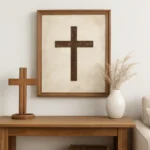
Cross motifs integrated into metalwork, wood carving, or ceramic patterns—kept tasteful and not overpowering.
Lamb and shepherd imagery in nursery or child-friendly decor to introduce themes of care and guidance.
Biblical scenes rendered in muted tones as conversation starters rather than focal points.
Symbolic plants such as olive branches or grapevines represented in textiles or wallpapers to reference biblical imagery.
The careful choice of motifs helps create an cohesive narrative for guests and residents alike. It’s about intentional symbolism that speaks softly rather than loudly, inviting contemplation rather than distraction.
Materiality and Texture for a Sacred Atmosphere
Texture contributes to a space that feels grounded and warm. In Christian home styling, natural materials often align well with timeless aesthetics: wood, stone, linen, cotton, and wool. The tactile quality of a space can mirror the enduring nature of faith—solid, comforting, and able to bear the everyday weight of life. Practical ideas include:
Use solid wood furniture with gentle finishes that won’t dominate but will age gracefully.
Incorporate soft textiles (woven throws, linen drapes, cotton cushions) to create inviting nooks for prayer or conversation.
Choose earth-toned palettes that ground the room and reflect the beauty of creation.
Include a small, simple altar-like table or prayer corner in a quiet corner of the home, dressed with a cross, Bible, and a candle or plant.
The emphasis on material choice is not merely aesthetics; it is a reminder that the home can be a place where steadfast faith and daily devotion are cultivated through the senses—sight, touch, and even scent.
Spaces that Reflect Faith: Living Areas and Hospitality
Entryway as Welcome and Witness
The entryway is the first impression of a home’s spiritual tone. A well-considered foyer can blend practicality with message, making guests feel both welcomed and mindful. Consider the following elements:
A small console table with a Bible, a vase of seasonal flowers, and a candle for reflective moments as guests arrive.
Quiet, prayerful art or a small framed verse near the door to set a tone of grace from the moment one enters.
Weather-appropriate textiles such as a wool rug or a linen runner that anchors the space and reduces clutter-induced stress.
The purpose of a Christian entryway is not to preach but to say, through design, that the home is a place where God’s presence is felt and where hospitality is a practiced discipline. When guests feel valued and seen, the entire home feels more inviting.
Living Room: Center of Conversation and Comfort
The living room is often the heart of a home. It should be comfortable, adaptable for gatherings, and capable of shifting from casual family evenings to formal celebrations. In home styling inspired by faith, consider zones and focal points that encourage connection, conversation, and reflection.
Seating arrangements that promote eye contact and conversation, rather than isolated clusters.
Close-to-the-wall media setups to maximize floor space for gatherings and worship evenings.
Artful wall displays featuring a curated set of prints, canvases, and scripture readings that gradually rotate with the seasons.
For color strategies, think about soft neutrals accented with deep blues, golds, or forest greens to convey serenity and dignity. The goal is a space that feels like a sanctuary rather than a showroom—an environment where families can read the Bible aloud, share testimonies, or simply enjoy a quiet moment of presence.
Dining Room and Kitchen: Table as a Place of Communion
The dining area often serves as the stage for daily meals, family rituals, and hospitality toward guests. In a Christian dining space, consider how the table can function as a place of conversation, gratitude, and shared nourishment. Ideas include:
Scripture-themed place cards for special meals, or a recurring family verse that accompanies weekly gatherings.
Resonant centerpieces such as a small garden of herbs, a lit candle, or a bowl of fruit—elements that bring warmth without clutter.
Dishware and textiles in cohesive color families that maintain a calm, cohesive aesthetic and communicate care for creation.
A faith-centered dining space is more than décor; it is a daily invitation to pause and give thanks. Hospitality becomes a natural rhythm when the home is arranged to accommodate conversations about grace, mercy, and service.
Bedrooms as Quiet Sanctuaries
Bedrooms in a Christian home should offer restful environments, where sleep becomes a blessing and mornings begin with gratitude. In scripturally informed bedroom decor, aim for serenity and simplicity:
Use softer fabrics and low-profile furnishings to reduce visual noise.
Incorporate personal devotional items in a discreet nook—think a small Bible, a prayer journal, or a candle set (ensuring fire safety for family life).
Choose soft lighting and comforting colors that promote calm, such as warm whites, creams, and gentle blues.
The room where you sleep should feel like a retreat from the world—an intentional space to refresh the body and renew the spirit.
Nursery and Children’s Spaces: Faith-Filled Play and Learning
Nursery Decor that Fosters Wonder
A child’s room is an opportunity to seed faith through age-appropriate symbols and storytelling. In Christian nursery decor, simplicity and safety are the guiding principles. Consider elements that spark curiosity about God’s creation and character:
themes of creation through gentle wall decals, soft animals, and nature-inspired textures.
durable, washable textiles that withstand daily use and messes while maintaining beauty.
story-led decor such as a mobile depicting Bible stories or a wall-mounted shelf with children’s devotionals.
The aim is a space that invites exploration and security—where children sense that faith is a natural, ongoing journey rather than a set of rules.
Children’s Rooms and Play Areas
For older children, faith-inspired interiors can combine educational elements with playful design. Think of spaces that encourage reading, creativity, and discussion about values. Ideas include:
Verse-led reading corners with a small bookshelf, comfortable seating, and a motivational plaque.
Activity zones that blend art, music, and service projects—teaching that faith is lived out in acts of love.
Simple shelving systems for devotionals and children’s Bibles arranged by theme or season.
It’s important to balance educational decor with the joys of childhood. The most enduring spaces are those where faith, imagination, and play intertwine in a way that feels natural for growing minds.
Outdoor Spaces: Gardens, Patios, and Sacred Calm
Porches and Courtyards as Invitations
Outdoor spaces offer a powerful extension of home for hospitality and reflection. In church-inspired exterior decor, you can create welcoming, low-maintenance areas that support conversation and contemplation:
Welcoming seating clusters that encourage conversation and privacy in shaded corners.
Low-maintenance, prayer-friendly plants that evoke a sense of care for creation.
Subtle scripture signage or a verse carved into a stepping stone or metal plaque near the garden path.
Outdoor spaces should feel like a continuation of the home’s interior, a place where hospitality can be extended to neighbors, friends, and visitors. The natural world offers a daily reminder of God’s creativity and care, reinforcing a faith-filled rhythm for the household.
Patios, Balconies, and Water Features
Elements such as a small fountain or a tabletop water feature can bring soothing soundscapes that support prayer and quiet reading. In faith-based exterior design, you can incorporate:
Water features for meditative ambience and a reminder of baptismal imagery.
Outdoor lighting that is gentle and functional, highlighting architectural details without glare.
Furniture that is weather-resistant yet comfortable, encouraging lingering conversations and shared meals outdoors.
The outdoors, when designed with intention, becomes another room of the home where guests sense care, hospitality, and sacred stillness.
Typography and Wall Art: Language that Lifts the Spirit
Choosing Text and Style
Wall art and typography play a critical role in scripture-inspired interior design. The communication is as much about typography and layout as about the words themselves. Consider:
Tonal consistency—choose fonts that are legible and harmonious with the surrounding decor, avoiding overly ornate scripts in high-traffic areas.
Color harmony—let art color palettes complement furniture and fabrics rather than clash with them.
Balanced scale—select print sizes that fit proportionally to walls and furniture, creating a cohesive gallery rather than a cluttered jumble.
When selecting verses or quotes, emphasize those that convey hope, mercy, justice, and love. The typography can be bold or delicate, depending on the tone of the room, but the message should always align with the home’s broader spiritual purpose.
Frames, Shelves, and Gallery Arrangements
A well-curated collection of prints and photos helps tell the family’s faith story. Tips for Christian wall decor:
Use gallery walls to display a timeline of meaningful moments—baptisms, mission trips, or family prayers.
Group art with a common theme (e.g., salvation, hope, mercy) to prevent visual noise and create a sense of narrative.
Display Bibles or devotional books on open shelves as both decor and resource, inviting family members to pick up and reflect.
Remember that every piece contributes to a larger message. The arrangement should invite dialogue and reflection, not simply fill wall space.
Textiles and Colors: Creating Mood with Faithful Taste
Color Palettes with Purpose
Color is a powerful language in interior design and can be used to evoke certain spiritual atmospheres. In biblical home styling, color choices often align with symbolic meanings, though modern interpretations remain equally valid. Consider:
White and cream for purity, calm, and a sense of light in the home.
Blue tones representing heaven, trust, and devotion.
Earthy greens and browns reflecting creation, growth, and stewardship.
Gold accents for reverence and timeless beauty—used sparingly to avoid ornamentation fatigue.
A well-chosen palette creates a cohesive feel across rooms and seasons, enabling the home to remain serene during busy times and vibrant during celebrations.
Textile Choices that Comfort and Inspire
Textiles are a practical and expressive way to integrate faith into daily life. In grace-centered decor, textiles can soften spaces, add warmth, and carry quiet devotional messages. Suggestions include:
Throw blankets and pillows in seasonal colors or with subtle scripture references.
Garden or nature-inspired prints on drapes or upholstery to echo God’s creation.
Table linens with understated motifs that elevate family meals and hospitality without overwhelming the table.
The textile layer should feel approachable and durable, encouraging daily use and communal living.
Budget-Friendly and Timeless: Practical Tips for Christian Home Decor
Starting with a Vision, Not a Shopping List
A thoughtful decorating project begins with a clear vision rather than a frantic hunt for deals. In ChristianInterior design, a good plan considers purpose, worship rhythms, and hospitality needs. Steps to begin:
Define core values you want your space to communicate (e.g., hospitality, stewardship, gratitude).
Identify anchor pieces such as a cherished Bible, a family portrait, or a cross that will guide the rest of the decor.
Set a budget range and prioritize pieces that can be reused, repurposed, or refreshed with minimal investment.
With a clear plan, you can avoid impulse purchases and build a cohesive space that grows with your family.
Repurposing and Upcycling as a Spiritual Practice
Sustainable decorating often aligns with values of stewardship and care for creation. Consider upcycling furniture or refreshing existing pieces to fit a Christ-centered aesthetic. Ideas include:
Refinishing a wooden table with a new stain to revive a family heirloom.
Painting or decoupage on a mirror frame with a subtle scripture motif.
Reupholstering chairs with durable, machine-washable fabrics for a family-friendly space.
Upcycling can become a meaningful activity for families, turning decorating into a shared project that reflects gratitude and creativity.
Where to Invest and Where to Save
Not all decor needs to be new or expensive. Smart budgeting involves knowing where to invest in quality and where to opt for affordable updates:
Invest in durable seating and lighting fixtures that endure wear and time.
Save on smaller accessories—framed prints, candles, and textiles—by shopping seasonal sales or secondhand stores.
Utilize DIY projects to customize items with a personal touch that remains aligned with your faith-centered design goals.
The value of a space lies not in the price tag of its pieces but in the sense of worship, hospitality, and peace it fosters within the home.
Seasonal Decor that Keeps Faith Central
Seasonal decorating offers opportunities to reflect the rhythms of the liturgical year or a family’s own spiritual calendar. In seasonal Christian decor, aim for pieces that are easy to switch and that preserve the room’s overall identity.
Rotate a small collection of verses or art around Advent, Christmas, Lent, and Easter.
Use seasonal textiles and color accents to reflect different seasons without changing furniture.
Keep a dedicated storage bin for seasonal decor to simplify transitions from one season to the next.
A Christian home’s decor often includes sentimental or sacred objects that require deliberate care. Protect these pieces with attention to cleaning, humidity control, and placement:
Cross and statue care—dust gently and avoid harsh chemicals that could damage finishes.
Artwork framing—use UV-filtering glass or acrylic to preserve colors over time.
Display safety—secure wall hangings and tall pieces to prevent accidents in homes with children or pets.
Caring for decor is itself a practice of stewardship—treating sacred or meaningful items with respect, and rotating pieces as seasons in life shift.
Cleaning Routines That Honor the Home
Regular upkeep helps maintain a serene and welcoming atmosphere. For a home built around Christian values, create a simple maintenance rhythm:
Establish a weekly cleaning plan that includes dusting, vacuuming, and wiping surfaces.
Swapping out soiled textiles (kitchen towels, chair cushions) for clean options as needed.
Implement a decluttering habit with a seasonal review to keep the space orderly and hospitable.
A clean, orderly home is not an end in itself; it is a practical expression that hospitality, care, and calm are valued in the everyday.
Creating a Prayer Corner: Intentional Small Spaces
What Makes a Prayer Corner Effective?
A dedicated space for prayer or devotion can be a powerful anchor in faith-centered interior design. A well-positioned corner invites quiet, focus, and consistent practice.
Low-profile altar or table with a Bible, a journal, and a candle or small plant.
Soft lighting that creates a calm atmosphere conducive to meditation and reading.
Neutral backdrops that keep attention on the chosen devotional items without visual noise.
The corner should be accessible to all family members and adaptable for different rituals—prayer, scripture reading, journaling, or meditative reflection.
Integrating Prayer Corners into Everyday Living
A prayer corner does not have to be isolated from daily life. Consider placing it near a stair landing, kitchen window, or living room alcove where family members naturally pass by. Faithful interior design supports regular, unforced moments of pause and gratitude.
Final Thoughts: A Living, Flexible Vision for Christian Decor
Designing a home that honors God’s presence while remaining practical for everyday living is a balancing act. The best Christian house decor is not about achieving perfection in fashion or collecting the right pieces; it is about creating a space where faith is visible in small, daily acts of hospitality, service, and gratitude. The home becomes a living expression of the Gospel when:
Hospitality is prioritized—guests feel seen and welcomed, with space for conversation and rest.
Grace is demonstrated in simplicity, humility, and care for creation through sustainable choices.
Worship happens beyond church walls—in family prayer, worship music, and shared Scripture study within the home.
Stewardship guides decisions about materials, energy use, and how spaces evolve with the family’s needs.
As you pursue timeless ideas for a faith-filled home, remember that intentional design is a form of spiritual practice. It is an invitation to slow down, notice beauty, and cultivate a space that nourishes the heart, mind, and soul. Whether you are starting from scratch or refreshing a well-loved space, the approach outlined here offers a comprehensive framework for a home where faith isn’t merely decorative but deeply and durably present.
If you would like to adapt these ideas to a particular style—whether you favor classical Christian decor, modern faith-inspired interiors, rustic ecclesiastical chic, or minimalist gospel-inspired interiors—consider starting with one anchor piece, a simple color plan, and a contemplative space that invites daily reflection. Over time, your home design journey will reveal a unique expression of your family’s story, values, and hope, all rooted in a shared life of faith.











Leave a Reply