Christian Jewelry Necklaces: Stylish, Faith-Inspired Designs for Everyday Wear
Christian Jewelry Necklaces: Stylish, Faith-Inspired Designs for Everyday Wear
Christian jewelry necklaces offer a timeless way to carry faith, hope, and mercy close to the heart. These pieces blend meaning, craftsmanship, and everyday wearability so that believers can express their beliefs in a discreet, stylish, and personal manner. Whether you seek a subtle everyday pendant or a statement piece for special occasions, the realm of faith-inspired necklaces provides a rich spectrum of designs, materials, and traditions. This article explores the world of Christian jewelry necklaces in depth, from symbols and symbolism to care, ethics, and customization, helping you choose pieces that resonate with your faith journey and your wardrobe.
Understanding the heart of Christian jewelry necklaces
At its core, a Christian necklace is more than a decorative accessory. It is a wearable reminder of beliefs, stories, and commitments. The best pieces embody symbolic weight, compatibility with daily life, and a sense of personal testimony. People wear them for many reasons—devotional practice, public profession of faith, family tradition, or a thoughtful gift that denotes shared values. When selecting cross jewelry or other faith-based pendants, it is helpful to consider the intention behind the piece: is it a private anchor for moments of prayer, a public signal of faith for others, or a combination of both?
Designs and symbols in faith-inspired necklaces
Cross pendants and crucifixes: enduring emblems of faith
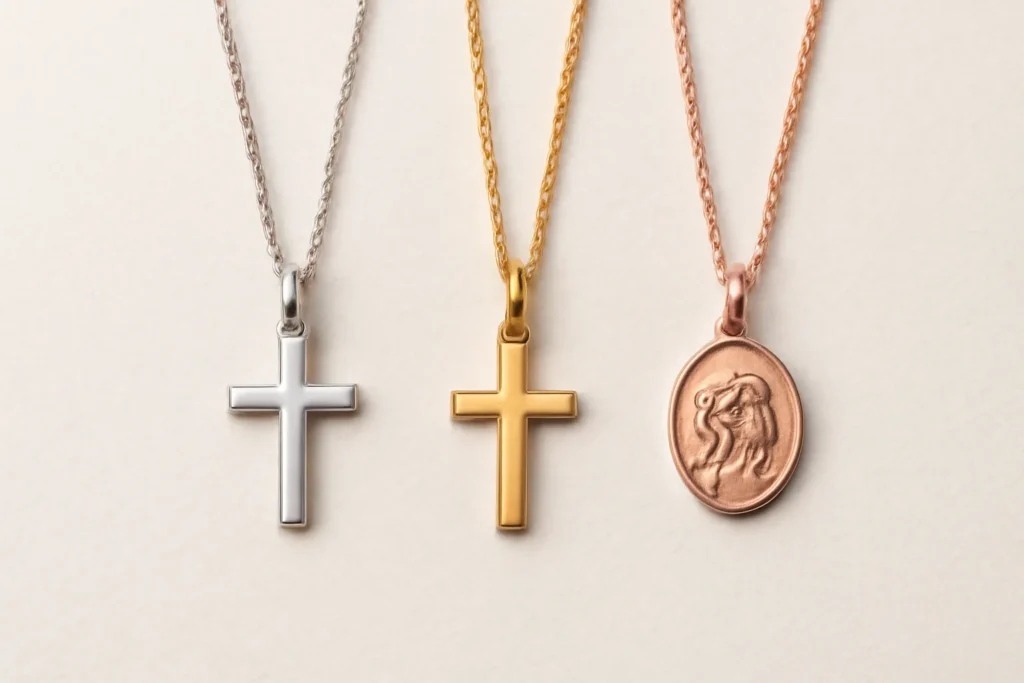
The cross necklace remains the most recognizable form of Christian jewelry necklaces. From minimalist bars to detailed crucifix pendants, cross designs come in an array of styles that suit different personalities and occasions. A simple, smooth cross on a fine chain can be ideal for daily wear, while a textured or gemstone-embellished cross can serve as a focal point for dressier moments.
Minimalist crosses: clean lines, slim profiles, versatile for layering.
Crucifix pendants: depict Jesus on the cross, highlighting the sacrifice element of the faith.
Three-dimensional crosses: carved, beveled, or sculpted forms that catch light in a distinctive way.
Source materials: sterling silver, 14k gold, or plated alternatives suited to budget and skin sensitivity.
Ichthys and other biblical symbols
Beyond the cross, Ichthys fish symbols and other biblical motifs offer equally meaningful alternatives. The Ichthys is a simple yet powerful emblem harking back to early Christian communities. Other symbols you may encounter include the魚-shaped motifs, dove pendants representing the Holy Spirit, and glyphs associated with specific scriptures.
Ichthys pendants: subtle nod to Christian identity, often in silver or gold.
Dove and Holy Spirit pendants: convey grace, peace, and divine guidance.
Angels and crowns: evoke protection, guidance, and the belief in heavenly attendance.
Scripture verses and verse pendants
For many, a scripture pendant bearing a favorite verse becomes a personal mini-therapy for the day ahead. These can feature engraved lines, abbreviated references, or even full verse inscriptions. Verses commonly chosen include words of encouragement, strength in hardship, or reminders of God’s promises.
Medals, saints, and Marian symbols
Medal necklaces featuring saints, angels, or Marian symbols offer role models of virtue and intercession. These pieces can honor a particular patron saint, celebrate a baptism, or simply reflect devotion to Mary or a guardian angel. Medallions vary in size, tone, and symbolism, making it easy to select something personal and meaningful.
Rosary-inspired necklaces
While a traditional rosary is a prayer tool, many designers offer rosary-style necklaces that reimagine beads into a chic, wearable form. These pieces often convert the decades of bead strands into a asymmetrical necklace with a central pendant, offering a devotional cue without the explicit structure of a full rosary.
The durability, finish, and feel of Christian jewelry necklaces depend heavily on materials. Here are common options:
Sterling silver: classic, affordable, cool-toned, and easy to maintain with occasional polishing.
Gold and gold-filled: warm, lasting, and suitable for everyday luxury; karat choices range from 10k to 18k.
Stainless steel: highly durable, hypoallergenic, and budget-friendly; often used for masculine or contemporary designs.
Bronze and brass: vintage-inspired warmth; oxidizes with time for a rustic patina.
Gem-set and crystal accents: sapphires, diamonds, amethysts, or cubic zirconia can elevate a piece with color and sparkle.
Craftsmanship and durability considerations
The way a pendant is made can affect its longevity and wearability. Consider:
Bonding method: soldered connections are sturdy and traditional, while pin or charm-on-chain mechanisms can offer flexibility for interchangeable pieces.
Chain type: box, curb, curb with twists, figaro, and satellite chains each interact differently with a pendant—impacting movement, comfort, and layering potential.
Finish: polished, matte, brushed, or antiqued finishes create different visual textures and suit various wardrobes.
Ethical sourcing and authenticity
For many buyers, ethical sourcing is a key concern. Look for certifications or transparency statements regarding:
Conflict-free metals and responsibly sourced gemstones
Recycling and recycled metals used in chain and pendants
Lab-grown stones as an alternative to mined stones
Clear supply chains and responsible labor practices
Styles and trends: what works for everyday wear
Minimalist and everyday wearable designs
If your goal is to integrate faith-inspired jewelry into daily life, consider minimalist Christian necklaces—slim pendants, delicate chains, and restrained motifs that blend with casual wear. A subdued cross pendant on a fine chain or a small scripture bar can serve as a daily reminder without overpowering an outfit.
Layering and stacking: creating a personal scripture-chic look
Layering necklaces has become a wardrobe staple. The right combination of lengths, textures, and motifs can create a harmonious, personal look. Pair a short, understated holy pendant with a medium-length chain featuring a second symbol and a longer, simple chain for depth.
2-3 chain rule: choose one focal piece (like a cross or verse pendant) and layer with two complementary chains of varying lengths.
Texture contrast: combine a polished pendant with a brushed or matte chain for visual interest.
Color accents: subtle gemstone touches (e.g., small emeralds, sapphires, or peridot) provide color without overwhelming the look.
Men’s Christian necklaces and unisex options
There is a growing market for men’s faith-inspired necklaces and unisex designs. Bold, simple silhouettes, thicker chains, and masculine finishes—such as gunmetal, brushed steel, or satin gold—offer a robust aesthetic that pairs well with business casual or weekend wear. No matter the gender, the symbolism remains accessible and meaningful.
Seasonal and color-adapted designs
Seasonal influences and color palettes can guide your selection. For Christmas, gold or red-hued accents (ruby or garnet) can evoke festive warmth. For spring and summer, lighter metals and pastel-toned stones can align with brighter wardrobes, while autumn tones might lean toward bronze, amber, or amethyst settings.
Choosing the right Christian necklace for you
How to select based on faith expression
Your choice should reflect how you live out your faith. If you value daily contemplation, a verse pendant or an ichthys design can serve as a quiet reminder. If you want a public sign of faith for gatherings or ministry, a more visible cross or a medal pendant may be appropriate. Consider your comfort level with visibility and your own devotional habits.
Skin sensitivity: choose hypoallergenic metals if you have sensitive skin (stainless steel, nickel-free silver, or 14k+ gold).
Neck length and pendant size: shorter chains suit subtle pendants; longer chains suit larger pendants or layering.
Wardrobe compatibility: if your closet leans minimalist, a small pendant may be best; for more eclectic styles, a statement cross with a unique texture can work well.
Budget and value: consider whether you want archival-quality metals, precious stones, or fashion-grade finishes.
Maintenance expectations: some metals are high-maintenance (silver may tarnish) while others resist wear longer (stainless steel).
Care tips to extend the life of your necklace
Proper care helps preserve beauty and meaning. Practical steps include:
Regular cleaning: wipe with a soft cloth after wear; use mild soap and warm water for deeper cleaning where appropriate.
Storage: store in a dry, lined pouch or jewelry box to prevent scratches and tarnish.
Avoid exposure: keep away from chlorine, saltwater, and harsh chemicals; apply perfumes and lotions before putting on jewelry.
Professional checks: have prongs, clasps, and chain integrity checked periodically, especially for heavier or valuable pieces.
Care and maintenance: signs of wear and practical fixes
Silver and gold maintenance
Silver tends to tarnish, especially with exposure to sulfur compounds in the air. A gentle silver polish or a dedicated jewelry cleaning cloth can restore shine. Gold remains relatively stable, though white gold often requires occasional rhodium plating to maintain its bright white appearance. For both metals, storing in anti-tarnish pouches can reduce oxidation between wearings.
Gem care and settings
If your crystal or gemstone accents are present, avoid abrasive cleaners that can scratch facets or dull a stone's brilliance. A soft brush and mild soap once in a while typically suffices; for vulnerable stones, consult a jeweler for specialized cleaning.
Repair and restoration considerations
When a clasp loosens or a pendant begins to lean oddly, seek professional repair. An experienced jeweler can re-tension chains, reset stones, and ensure the overall integrity of the piece. For sentimental items, professional restoration can preserve the original character while improving durability.
Gifting Christian necklaces: occasions, ideas, and etiquette
Key occasions for gifting
A thoughtful Christian necklace gift can mark many life events:
Baptism and christening: a delicate pendant to welcome a new member into the faith community.
First communion: a modest, symbolic piece that complements the celebration.
Confirmation: a meaningful milestone often honored with a more mature pendant or medal.
Wedding and anniversaries: commemorative pieces bearing a couple’s chosen symbol or inscription could be treasured keepsakes.
Birthday and personal milestones: a verse pendant or a saint medal tailored to the recipient’s devotion or patronage.
Etiquette and personalization
When gifting, consider the recipient’s style and beliefs. Personalization—engraved verses, initials, birthdates, or gemstone birthstones—adds a warm, individualized touch. If you aren’t sure about preferred symbols, a versatile, classic piece (such as a clean cross pendant on a simple chain) often serves as a reliable, cherished option.
Ethical considerations and authenticity in Christian jewelry
Transparency and certification
The market for faith-themed jewelry benefits from transparency. Look for:
Chain and metal provenance and clean supply chains.
Ethical gemstones, responsibly sourced stones, and clear labeling.
Authenticity marks, hallmarks, and proper assay documentation for precious metals.
Fair trade and responsible practices
If ethical production is a priority, seek brands that publish their sourcing policies and support fair labor practices. Some companies highlight their fair trade partnerships, which can align with your values while ensuring high-quality workmanship.
DIY, customization, and personalizing Christian necklaces
Custom pendant options
Personalization can elevate a necklace from an ordinary accessory to a treasured heirloom. Options include:
Engraved verses or names on a flat panel.
Birthstones or color accents to reflect a birth month or meaningful season.
Custom shapes or motifs that resonate with a specific devotion, such as a favorite scripture symbol or emblem of a patron saint.
DIY care and upkeep for handmade pieces
If you opt for handmade or artisan pieces, delicate care is essential. Keep consistent cleaning routines, avoid over-polishing to preserve patina, and store separately to prevent tangling or scratching.
Layering guides and styling tips for Christian necklaces
Layering ideas for different dress codes
Layering can enhance both casual and formal outfits. Try these guidelines:
Use chains of varying lengths to create a cascading effect around the neckline.
For a day-time casual look, pair a small cross pendant with a longer delicate chain and a shorter bead necklace.
For a work or event-ready look, choose a refined line of pendants with cohesive metals and restrained gemstone accents.
Color coordination with wardrobe
Metal tones can harmonize with clothing colors. Gold-toned pieces pair beautifully with earth tones and warm colors; silver-and-white metals complement cool blues, grays, and black. If you enjoy bold color, select one pendant with a pop of gemstone color while keeping other pieces simple.
Seasonal and liturgical variations in Christian jewelry necklaces
Advent, Christmas, and Epiphany collections
During Advent and Christmas, jewelry design often leans toward warm metals, star motifs, and gemstone accents that evoke the season’s symbolism. Some collections release limited-edition pieces that reflect the nativity story, guiding a faithful but stylish display of devotion.
Lenten symbolism can inspire more contemplative designs—silhouettes with muted finishes, cruciform shapes, or verses emphasizing repentance and renewal. Easter jewelry often features brighter springs hues and radiant finishes to celebrate resurrection.
Feasts and patron saints
Throughout the year, churches dedicate days to particular saints or feasts. A necklace featuring a patron saint medal or emblem can be a thoughtful gift tied to a specific feast day, empowering the wearer with a sense of purpose and protection.
Conclusion: celebrating faith through everyday wear
The landscape of Christian jewelry necklaces is broad enough to satisfy a range of styles, budgets, and devotional practices. Whether you favor a discreet, minimalist pendant or a statement piece that commands attention, the right necklace can become a meaningful companion in daily life. By choosing pieces with thoughtful symbolism, quality craftsmanship, and ethical integrity, you can wear your faith with confidence, kindness, and grace. Faith-inspired designs are not mere adornments; they are reflections of values, stories, and communities—an ongoing invitation to live with intention, hope, and love.







Leave a Reply