A Catholic crucifix necklace is more than a decorative accessory—it is a tangible expression of faith, devotion, and a reminder of the central mysteries of Christian belief. In Catholic practice, the crucifix symbol is deeply meaningful because it depicts Jesus Christ crucified, reminding the wearer of the sacrifice, love, and salvation that lie at the heart of Catholic theology. This is distinct from a simple cross pendant, which celebrates the Resurrection and victory of Christ but does not depict the Passion in the same visual way. The crucifix pendant invites personal reflection, invites prayer, and serves as a portable catechism—an emblem you can wear, display, and share.
The crucifix necklace has occupied a long arc of history in Catholicism. From medieval reliquaries and ornate gold reliquary pendants to modern, minimalist designs, Catholic jewelry in the form of a crucifix has evolved to satisfy both spiritual and aesthetic needs. For many believers, donning a crucifix pendant is a daily act of consecration—a quiet moment of recitation, a reminder to live with compassion, and a signal to others about one’s faith. In this article, we explore the Catholic crucifix necklace as an understated yet powerful piece of Elegant Catholic Jewelry for Faith, offering guidance on choosing, wearing, and appreciating this sacred form of adornment.
What Defines a Catholic Crucifix Necklace vs. a Simple Cross Pendant
Understanding the distinction between a Catholic crucifix necklace and a plain cross pendant helps buyers make informed choices according to devotion, tradition, and personal style.
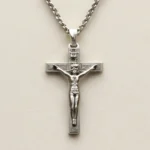
Image of the Crucifix: A crucifix pendant features Jesus Christ on the cross. In Catholic devotion, this imagery is central to commemorating the Passion and the sacrifice of Christ.
Theological emphasis: The crucifix communicates sacrifice, redemption, and the human suffering of Jesus, which aligns with Catholic meditations on suffering, mercy, and grace.
Use in liturgy and devotions: While both crucifix necklaces and cross pendants can be worn daily, the crucifix holds a specific devotional resonance for many Catholics, especially during prayer, retreat, or devotional activities.
Design language: A crucifix may incorporate symbolic details—corresponding figures, INRI inscriptions, or sacred geometry—whereas a cross pendant may focus more on silhouette and simplicity.
Variations in Design and Materials
The range of Catholic crucifix necklaces available today reflects different eras, regional craftsmanship, and personal preferences. Whether you seek a heirloom piece or a daily-wear pendant, there are options that honor tradition while matching modern taste. Below are common categories and design cues you’ll often encounter, along with practical notes on how to choose them.
Gold and Silver: Luxury and Tradition
The most enduring materials for a crucifix necklace are precious metals such as gold and sterling silver. Gold crucifix pendants may come in 14k, 18k, or even higher karats, offering warmth, durability, and a sense of timeless elegance. Silver crucifix necklaces provide cool-toned radiance and are often more affordable while retaining a refined, classical appearance. Some devotees opt for two-tone combinations that pair a gold fill with a silver base, creating a versatile pendant that can coordinate with various jewelry pieces.
Solid gold crucifix Necklace: Durable, resists tarnish in a way that many find comforting for everyday wear.
Sterling silver crucifix: Lightweight, versatile, and excellent for layering with other Catholic jewelry.
Gold-plated or vermeil: An affordable entry point that still offers a luxurious look, though it may require more careful care to prevent wear through to the base metal.
Color can carry symbolic meaning in Catholic devotional objects. An enamel crucifix necklace provides vibrant color accents on the figure of Christ, the cross, or background elements. Inlays may include gemstones, finely worked metal, or enamel art that highlights sacred imagery. Color choices can reflect liturgical seasons (for example, purple for Lent or red for martyrs and the Holy Spirit) or personal devotion to a saint associated with color symbolism.
Enamel work adds a protective enamel layer that resists chipping and keeps the design bright.
Gem inlays may feature small stones like garnet or emerald, chosen for beauty or symbolic meaning (blood, rebirth, faith).
Saint-inspired details such as tiny halos or decorative motifs can enrich a crucifix pendant design without overwhelming the central crucifix image.
Wood, Resin, and Contemporary Materials
Some wearers prefer a more natural or minimalist aesthetic, choosing wooden crucifix necklaces, olive wood from the Holy Land, or modern resin designs that capture a clean, contemporary look. These options can be especially meaningful as reminders of the Holy Family’s earthly path or as affordable, durable daily wear. Contemporary materials may include carbon fiber, ceramic, or mixed media, all of which can be crafted to preserve the sacred silhouette of the crucifix while offering a distinct texture and feel.
Olive wood: Associated with the Holy Land; a tangible link to the biblical setting of Jesus’ Passion.
Resin and modern composites: Lightweight and versatile, suitable for casual wear and youth devotion.
Textile or braided cord pendants: A more casual or rustic option that can be comfortable for everyday life.
Filigree, Clasps, and Ornamentation
Ingenuity in crucifix necklace designs often shows in delicate filigree work, repoussé relief, or rosette patterns around the cross. Ornate crucifix pendants invite admiration for craftsmanship while preserving devotional meaning. Some pieces combine a central cross with a small medal or ring of inscription around the border, creating a compact, symbolic centerpiece.
Filigree crucifix: Openwork metalwork that casts intricate shadows and adds a vintage aura.
Repoussé relief: Low-relief sculpting that gives depth and dimension to the figure of Christ.
Medallion integrations: Small sacred medals (e.g., St. Benedict, Mary, or a patron saint) paired with the crucifix for added devotion.
The chain and length of a crucifix necklace shape how the pendant sits and how it interacts with necklines and clothing. A necklace’s chain type—whether box, curb, cable, or rope—contributes to the overall look, from sleek and modern to classic and regal. Lengths vary, but many wearers choose options that permit comfortable layering with a second chain or a rosary for a more deliberate devotional look.
Chain types: Cable, curb, box, rolo, and rope chains each offer a unique texture and weight.
Length ranges: Short (16–18 inches) for a pendant to sit near the collarbone; mid-length (20–22 inches) to align with necklines; longer (24–30 inches) for a bold, statement look or layering with other religious jewelry.
Adjustable options: Some crucifix necklaces include adjustable slides or multiple rings to fine-tune the drop for different outfits.
Sizes and Proportions: Choosing the Right Length
The size and proportion of a Catholic crucifix necklace influence both its legibility and its visual impact. When selecting a crucifix pendant, consider the wearer’s neck size, stature, and typical attire. A pendant that is too large can overwhelm a petite frame; one that is too small may feel out of proportion on a taller person or when paired with a heavy chain. Here are practical guidelines to help you choose with confidence.
Proportion to the chest: A crucifix should be visible and proportionate to the wearer’s torso, not hidden by clothing or obscured by hair or scarves.
Occasion and daily wear: For everyday use, a modest crucifix around 1 to 1.5 inches tall provides a balanced look. For special occasions or formal attire, a larger crucifix around 1.75 to 2.5 inches can be appropriate.
Layering considerations: If you plan to layer with a rosary or another pendant, choose a shorter chain for the crucifix so both pieces remain visible.
Neckline compatibility: V-necks and scoop necks pair well with shorter crucifix pendants; crew and turtleneck tops may benefit from mid- to longer-length chains to ensure the crucifix sits in a flattering position.
How to Wear and Style Catholic Jewelry
Wearing a crucifix necklace is a personal expression, but there are styling approaches that honor tradition while fitting modern wardrobes. Consider the purpose of the piece—daily devotion, a special sacramental event, or a gift that marks a milestone—and then select a style that compliments both attire and religious intent.
Daily devotion: Choose a comfortable, durable chain with a modest crucifix that sits at or just below the collarbone for ease of wear during daily activities.
Special occasions: A more ornate crucifix necklace with gold or intricate filigree work can elevate formal attire for liturgical celebrations, confirmations, or first communions.
Layering: A crucifix necklace can be layered with a delicate chain bearing a small saint medal or a rosary strand for a rich devotional look. When layering, vary textures and lengths to maintain visual balance.
Care in public settings: If you attend subtle, quiet church services or pilgrimages, a modest crucifix necklace communicates faith without drawing undue attention—an important consideration for some worship environments.
For those who value symbolism, a cross pendant with Jesus imagery often translates well across cultures and ages, serving as a bridge between personal devotion and shared faith. The way you wear your necklace—whether tucked beneath a shirt, displayed over a neckline, or paired with a rosary bracelet—conveys your personal approach to Catholic devotion.
Maintaining the beauty and integrity of a crucifix necklace is part of the devotion itself. Proper care protects precious materials, preserves embellishments, and ensures the pendant remains a source of inspiration for years.
Cleaning: Use a soft cloth to wipe metal surfaces after wear. For deeper cleaning, use mild soap and warm water, gently brushing with a soft toothbrush, then rinse and dry thoroughly. Avoid harsh chemicals that can damage enamel, gemstones, or plating.
Polishing: Gold pieces can be polished with jewelry-specific cloths designed for gold or gold-plated items. Silver pieces may require a light polish to remove tarnish, followed by thorough rinsing and drying.
Storage: Store each piece separately in a soft pouch or lined jewelry box to prevent scratching or tangling. For rosaries or multiple religious items, consider compartmentalized organizers to keep elements separated.
Avoid exposure: Remove jewelry during swimming, bathing, or heavy exercise, and avoid contact with chlorine, saltwater, or household chemicals that can dull finish or weaken metal over time.
Symbolism and Devotion: Prayers and Daily Use
A Catholic crucifix necklace can be a focal point of personal prayer and meditation. Many wearers incorporate a short routine or daily ritual that includes reflection on the Passion, mercy, and reconciliation. Here are ways to deepen the devotional use of your crucifix pendant.
Morning and evening prayers: Begin with a simple blessing or sign of the cross, then contemplate specific aspects of the Passion depicted on the pendant.
Rosary and meditation: The crucifix necklace can accompany a short rosary meditation, especially if paired with a rosary or prayer beads.
Patron saints: Some crucifix pendants incorporate a saint medal or icon. Devotees may invoke the intercession of a patron saint associated with their daily life or particular needs.
Liturgical seasons: During Advent and Lent, you may choose a crucifix with subdued tones or enamel in purple or blue hues to reflect the season’s themes of preparation and penance.
Purchasing Considerations: Authenticity, Craft, and Ethical Sourcing
When selecting a crucifix necklace, thoughtful criteria help ensure you acquire a piece that aligns with faith, craftsmanship, and personal values.
Authenticity: Look for reputable brands, certifications, or makers who provide clear material disclosures (gold content, sterling silver grade), and, if applicable, hallmarks or brand stamps on the clasp or back of the pendant.
Craftsmanship: Inspect the crucifix for clean lines, secure solder joints, and durable settings for any inlays or stones. A well-made piece should feel substantial and balanced when worn.
Ethical sourcing: Seek companies that disclose ethical sourcing of materials, responsible mining practices, or fair-trade initiatives supporting artisans.
Purpose and provenance: If you’re buying as a sacramental gift or heirloom, consider the piece’s longevity, reparability, and potential to be passed down through generations.
The Gift of Faith: For Communions, Confirmations, and Milestones
A crucifix necklace makes a thoughtful and meaningful gift for milestones in a Catholic life—first communion, confirmation, ordinations, or anniversaries of baptism. The symbolism can be tuned to the event through careful design choices.
First communion: A modest crucifix pendant in white gold or sterling silver with a simple chain emphasizes purity, innocence, and a newfound relationship with Christ.
Confirmation: A slightly larger or more ornate crucifix, perhaps with gold accents or a small inscription of the candidate’s confirmation date, serves as a keepsake of the sacrament.
Wedding and family milestones: A crucifix necklace alongside a matching bridal set—where appropriate—or as a keepsake for the couple’s spiritual journey can symbolize faith as a shared foundation.
The iconography of the crucifix has deep roots in Christian art and Catholic devotion. Early Christians used crucifixes as outward signs of faith, but their emergence into popular jewelry came with a desire to carry spirituality into daily life. Over the centuries, Catholic crucifix necklaces evolved from highly ornate church-piece adornments crafted for clergy and aristocracy to accessible, everyday pieces for laypeople. In the Medieval and Renaissance periods, gilded crucifixes with embedded gemstones reflected a society that valued sacred art as a bridge between heaven and earth. In modern times, designers balance reverence with practicality, offering durable, wearable pieces that honor tradition while fitting contemporary wardrobes. Whether selected for personal devotion, family heritage, or as a gift, the crucifix remains a symbol of faith, mercy, and sacrifice—an emblem that invites ongoing reflection.
Ethical Considerations and Cultural Sensitivity
As with any sacred object, sensitivity to context and culture matters. The crucifix necklace often sits at the intersection of faith, fashion, and personal expression. To honor its spiritual significance:
Respect for sacred imagery: Treat the pendant with care in respectful environments and during religious observances.
Appropriate wear: Select settings and styles suitable for the wearer’s age, role in the church, or community norms.
Personal devotion: A piece that is meaningful to one person may be a symbol of devotion for another; always approach gifts and purchases with sensitivity to the recipient’s beliefs and practices.
Maintenance of Sacred Quality: Practical Tips
Beyond basic care, there are practices specifically suited to preserving the spiritual and material integrity of a crucifix necklace.
Regular inspection: Check the clasp, jump rings, and inlays periodically to ensure everything remains secure, especially for children and teens.
Gentle handling: Handle the pendant with clean hands to prevent oils from tarnishing or dulling metal finishes.
Special care for precious stones: If your crucifix includes gems, follow gemstone-specific care instructions to protect color and set integrity.
Professional servicing: For heirloom pieces or pieces with intricate filigree, consider professional cleaning or assessment every few years.
Frequently Asked Questions about Catholic Crucifix Necklaces
Here are answers to common questions people have when considering a crucifix necklace or seeking guidance on Catholic jewelry.
What distinguishes a crucifix from a plain cross pendant?
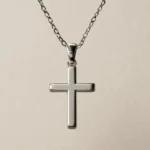
A crucifix depicts Jesus Christ on the cross, emphasizing the Passion and sacrifice, aligning with Catholic devotion. A plain cross pendant shows the cross alone, more closely representing the Resurrection and victory over death.
Is it appropriate to wear a crucifix necklace casually?
Yes. Many Catholics wear a crucifix necklace as a daily sign of faith. Choose a design that reflects your personal devotion and comfort level with public display.
How do I choose the right length for a crucifix necklace?
Consider your clothing style, neckline, and whether you plan to layer with other pieces. Shorter lengths sit near the collarbone for a subtle, everyday look; longer lengths create a statement and can be layered with other chains or rosaries.
Are there special crucifix designs for children?
Absolutely. Child-friendly crucifix necklaces often feature smaller sizes, lighter metals, and durable materials with secure clasps designed for active wear and school environments.
Conclusion: Embracing Faith through Elegant Catholic Jewelry for Faith
A Catholic crucifix necklace represents more than style or fashion; it is a personal emblem of faith, memory, and commitment to a path of devotion. Whether you choose a classic crucifix pendant in traditional gold, a refined sterling silver crucifix, or a modern reinterpretation in wood or resin, the act of wearing the pendant can become a daily practice of remembrance and prayer. The varied designs—from gold crucifix necklaces with ornate filigree to minimalist enamel pieces—allow believers to express their Catholic identity in a way that feels authentic and meaningful. By understanding the distinctions between crucifix necklaces and other religious pendants, by knowing how to care for and wear these pieces, and by selecting a design that resonates personally, you can deepen your experience of faith while enjoying the beauty of Elegant Catholic Jewelry for Faith.





Leave a Reply