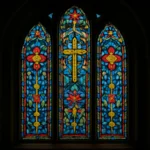
Church stained glass windows are more than decorative elements; they are narrative and theological tools crafted in colored glass, held together by lead, and illuminated by natural light. In a church setting, the luminous display of colored glass can transform the interior atmosphere, guiding worshippers through scenes from Scripture, saints’ lives, and sacred symbols. Across centuries, these windows have served as a visual catechism for communities, a record of patronage, and a technological achievement that blends art, craft, and architecture.
This article explores the history of stained glass in churches, surveys the major styles and techniques that shaped windows from medieval halls to modern sanctuaries, and offers practical restoration tips for caretakers, architects, and congregations. Along the way, you will encounter the many variations of these windows—sometimes called vitrail in French, sometimes simply stained glass or colored glass windows—yet all share a common purpose: to illuminate faith as much as to illuminate space.
History of Church Stained Glass Windows
Origins and early experimentation
The historical roots of church stained glass reach back to late antiquity and the early medieval period, when small, often painted glass pieces were used to brighten architectural interiors. In the earliest Christian structures, glass was rare and luxury, but by the High Middle Ages, lead came and colored panes allowed builders to craft expansive windows that could tell stories and light up sacred spaces. The transition from simple panels to complex narratives coincided with the rise of pilgrimage churches and grand cathedrals where sermons and relics drew crowds, and the windows functioned as a visual gospel for a largely illiterate populace.
Gothic innovation and the age of lights
The Gothic period marks a turning point in both engineering and aesthetics. Architects and glaziers developed higher, broader windows, supported by slender mullions that opened up walls to vast, luminous surfaces. The clearest hallmark is the stained glass program that often stretched from floor to vault, filling abbeys and cathedrals with a rich palette of blues, reds, greens, and ambers. In places such as Chartres Cathedral and Notre-Dame de Paris, stone tracery and stained glass coexisted with flying buttresses to achieve unprecedented height and light.
Renaissance, Reformation, and shifts in purpose
The Renaissance brought new ideas about humanism, perspective, and naturalism, influencing glass painting and figure rendering. Some windows embraced more naturalistic depictions, while others continued to follow medieval iconography. The Reformation and subsequent religious upheavals affected commissions and the use of imagery, with certain themes being altered, relocated, or replaced. Yet even during periods of religious upheaval, many churches maintained windows that preserved a sense of sacred narrative and communal memory.
19th century revival and the rise of new technologies
The Victorian era saw a revival of medieval forms alongside new manufacturing methods. Industrialization enabled the mass production of glass, brass, and pigments, opening access to more churches and chapels. In this period, prominent studios experimented with the copper foil technique and improved kiln-fired glass, giving rise to a distinctive style that could be used in smaller churches as well as grand cathedrals. The legacy of this revival continues to influence both restoration approaches and contemporary commissions.
20th century to the present: modernism, abstraction, and global reach
In the 20th century, stained glass windows increasingly embraced abstract design, simplified forms, and expressive color fields. Architects and artists explored how light, geometry, and space interact in worship settings. Today, churches around the world commission windows that respond to local traditions, climate, and liturgical priorities. While many restorations focus on preserving historic windows, contemporary glass programs may incorporate energy considerations, safety upgrades, and new materials that extend the life of a parish’s glass inventory.
Regional diversity and global perspectives
Across continents, regional differences in glass composition, tempering, painting techniques, and iconographic programs create a rich panorama of church stained glass traditions. From the deep blues of Northern European glass to the jewel-like palettes of Iberian and Mediterranean workshops, and from the thick, textured glass of early English windows to the sleek lines of contemporary commissions, the history of stained glass in sacred architecture is a global story of faith, craft, and adaptation.
Styles and Techniques in Church Glass
Core techniques: lead came and copper foil
The two primary methods used to assemble stained glass panels are the lead came system and the copper foil technique. In the lead came method, glass pieces are inserted into H or U-shaped lead strips (called came) and joined with solder at the joints. This traditional approach yields sturdy, durable windows that can be repaired by replacing individual pieces. In the copper foil method, developed in the 19th century, each piece of glass is wrapped in copper foil and then soldered together along the edges, allowing for more delicate, curvilinear designs and highly detailed work. The copper foil method is often associated with studio artists and is particularly well suited to complex borders and figurative details.
Painted glass and enamel details
Many windows combine painted glass with color forming the base panes. Details such as faces, drapery, hands, inscriptions, and delicate shading are achieved with vitreous paints containing ground glass, clay, and metallic oxidants. The painted layers are fired in a kiln, fusing the pigment to the glass surface. This technique allows artisans to render fine features and storytelling elements that would be difficult with cut glass alone. Enamels and gilding (thin traces of gold or gold leaf) can add luminous highlights and symbolic emphasis to certain figures or motifs.
Bevels, frosted glass, and texture
Beveled glass and textured glass pieces contribute to refractive color dynamics and catch light in different ways as the sun moves across the sky. Bevels can create prismatic effects that multiply light within a nave, while frosted or acid-etched surfaces diffuse illumination for more subdued scenes. These variations enable artists to orchestrate shifts in mood, legibility, and sanctified atmosphere across the day and the liturgical year.
A defining feature of many church glass programs is the use of iconography—compositional schemes that encode theological narratives, virtues, saints, and biblical cycles. Common themes include Creation and Fall, the Life of Christ (Nativity, Baptism, Passion, Resurrection), the Apostolic Mission, and the Church Militant and Triumphant. Color symbolism—blue for heaven, red for martyrdom or sacrifice, green for growth and life—guided viewers in interpreting scenes. In some places, heraldic emblems, donor portraits, and guild marks are integrated into the glass, turning the windows into historical records of patronage and community memory.
Regional and national styles
The geography of stained glass often leaves clear fingerprints on the appearance of windows. In French Gothic churches, you may encounter extensive narrative cycles with subtle shading and deep cobalt blues. In German and Rhineland glass, strong outlines, thick glass, and dramatic contrasts produce powerful, almost icon-like figures. English medieval windows frequently emphasize architectural geometry and slender verticals, while Italian glass can be richly painted with figural scenes set against luminous backgrounds. In the modern era, designers blend regional sensibilities with contemporary aesthetics to reflect local liturgical needs and architectural context.
Materials and color chemistry
The colored glass used in church windows is made by adding metallic oxides to molten silica. The chemistry of the glass determines its hue, opacity, and how well it ages. Some colors fade less over centuries, while others may darken or craze if exposed to environmental stress. Modern studios sometimes use updated formulations and protective coatings, but conservators must assess compatibility with historic panes before any intervention.
Restoration, Conservation, and Maintenance Tips
Principles of ethical conservation
Restoration work on stained glass windows should follow established conservation ethics: preserve as much original material as possible, intervene only when necessary for safety or preservation, and document every action. Reversibility, compatibility, and minimal intervention are guiding principles. When in doubt, consult a qualified stained glass conservator who can assess the glass, lead came, and supporting frame structures.
Assessment and condition reporting
A thorough assessment begins with documenting the window in multiple dimensions: glass type, lead came condition, pigment stability, painted details, and settlement or movement of the supporting mullions or iron frames. Common issues include:
Corrosion of lead came and solder joints
Delamination or failure of painted layers
Cracks and fractures in individual glass panes
Metal fatigue and structural movement in the window casing
Water ingress and insulation problems that promote condensation
Cleaning, stabilization, and environmental controls
Cleaning should be done cautiously and with appropriate materials. Avoid harsh chemicals that can damage paints or engravings. A conservator typically uses soft brushes, distilled water, and non-ionic detergents in minimal quantities. Stabilization may involve securing loose panels, reinforcing the frame, and ensuring a weather-tight seal. Environmental controls—such as controlling humidity, controlling temperature fluctuations, and reducing ultraviolet exposure—help slow deterioration and preserve the color integrity of the glass.
Lead came repair and panel replacement decisions
When the lead came deteriorates or glass panes crack, several approaches exist. Stabilization may involve reattaching glass fragments, replacing failed panes with compatible glass, or recasing the window in a protective secondary glazing system. Ethical considerations guide decisions about replacing historic glass: where possible, preserve original panes; only replace panes when necessary to maintain the window’s structural integrity or safety, and ensure replacements match the historic appearance as closely as possible.
Repair techniques: releading, resealing, and repainting
Releading involves removing the old lead came and replacing it with new came while keeping the original glass, preserving as much of the original artwork as possible. Resealing helps prevent water ingress and reduces movement between glass and lead. Repainting, if performed, should be carefully planned to avoid obscuring original pigment and should be fired under controlled conditions to ensure durability and reversibility.
Protective glazing and protective measures
Many churches install a secondary protective glazing layer to shield the original panes from weather, pollutants, and physical damage. The choice of glazing must balance transparency, UV protection, vibration dampening, and serviceability for maintenance. It’s important to ensure that the protective layer does not trap moisture against the historic glass. A well-designed protective system supports the long life of historic stained glass windows without compromising visibility or color quality.
Effective restoration begins with robust documentation. Conservation records should include high-resolution photography, material analysis, dating information, prior interventions, and a detailed plan for future work. This repository helps future conservators understand what was done, why it was done, and how to maintain the integrity of the window for generations.
Ethical considerations: donor remembrance and iconography
When windows commemorate donors or ecclesiastical figures, care must be taken to preserve those inscriptions and images. Removing or altering donor portraits, inscriptions, or heraldry requires sensitivity and, ideally, consultation with the congregation and historical records to respect the window’s original purpose and communal memory.
Modern and Contemporary Approaches
Integrating light, space, and liturgy
Contemporary church windows often explore abstraction, minimalism, or symbolic color fields to support modern liturgy and architectural language. Designers consider how light dynamics interact with interior acoustics, seating arrangements, and the overall spiritual ambiance. In many new sanctuaries, the light itself becomes a theological statement, inviting contemplation and participation.
Materials innovations and energy considerations
Advances in glass technology provide energy efficiency options while maintaining aesthetic integrity. Some projects use low-emissivity (Low-E) glass, spectrally selective coatings, or insulated glazing units that reduce heat loss while preserving the color and clarity of the panes. For historic windows, retrofitting may involve protective glazing and ventilation strategies that improve comfort without compromising conservation goals.
Digital design, reproduction, and accessibility
Digital tools enable glass artists and architects to model how a window will appear as daylight shifts. Computer rendering helps plan color balance, scale, and subject matter. Some modern commissions incorporate digital imagery, backlit panels, or projection-based programs that complement traditional stained glass while offering accessibility and interpretive depth for diverse audiences.
Global voices and cross-cultural exchanges
The global practice of stained glass in churches now reflects a wider range of cultural expressions. Contemporary artists from different backgrounds bring new iconographies, techniques, and storytelling traditions to sacred windows. This international dialogue enriches the vocabulary of church glass art and demonstrates how stained glass remains a living, evolving medium.
Case Studies: Notable Windows and Programs
Chartres Cathedral, France
The windows of Chartres Cathedral are among the most celebrated in medieval ecclesiastical art. The labyrinth of narratives in the nave and choir exemplifies how color, proportion, and theological order can co-exist with architectural clarity. The intensity of blue and the luminous red hues demonstrate the capacity of glass to convey spiritual magnitude in a sacred space.
Sainte-Chapelle, Paris
In Sainte-Chapelle, the royal chapel of the French Crown, architectural rules allowed for an almost uninterrupted tapestry of stained glass that bathes the interior in radiant color. The slender verticals, the saturation of chroma, and the storytelling program emphasize heavenly glory and the majesty of light as a divine sign.
Canterbury Cathedral and English Gothic Windows
English Gothic windows, including those at Canterbury Cathedral, often emphasize architectural geometry and the interplay between light and stone. The windows are characterized by clear, legible figural panels, bold outlines, and a strong aesthetic of vertical ascent, guiding the viewer’s gaze upward toward the heavens.
Cologne Cathedral and Rhineland Glass
The Rhineland glass tradition offers powerful contrasts and thick glass with heavy leading. In Cologne and neighboring regions, dark outlines and intense color saturations create a dramatic narrative presence that complements the monumental scale of the churches.
Across continents, modern churches commission contemporary glass art that engages present-day audiences. These windows might incorporate abstract forms, symbolic color fields, or narrative panels that speak to current social and spiritual concerns while remaining respectful of the surrounding architecture and liturgical rhythms.
Practical Tips for Architects, Parishes, and Conservators
Planning and site assessment
When planning new church glass installations or undertaking restoration, consider the following:
Orientation to the sun and natural light patterns throughout the day and year.
Climatic conditions, humidity, and potential condensation that could affect the panes.
Historical significance and the window’s place within the architectural ensemble.
Maintenance access, safety, and long-term preservation goals.
If a window honors donors or a particular liturgical program, ensure that inscriptions, coats of arms, and narrative sequences are preserved and legible. Include interpretive materials in church spaces to help worshippers and visitors understand the symbolism and stories depicted.
Collaboration with professionals
Effective stewardship of stained glass windows requires collaboration among architects, parish leaders, conservators, glass artists, and scientists who can analyze glass composition, lead stability, and environmental controls. A multidisciplinary approach reduces risk and yields a durable, meaningful result.
Maintenance schedules and budgeting
Create a proactive maintenance plan that includes regular inspections, cleaning protocols, and budget allocations for potential repairs. Conservators can provide a phased plan that prioritizes safety and preserves historical value while matching the congregation’s financial capacities.
Prepare for emergencies and environmental hazards: wind damage, hail impacts, and fire safety. Protective glazing and risk assessment can minimize damage, while clear procedures ensure rapid response to any incident affecting church glass windows.
Documentation and digital archiving
Maintain a digital archive of every window: high-resolution photography, material analyses, repair histories, and maintenance logs. This repository supports future design decisions and helps new caretakers understand the window’s significance and condition.
Glossary and Quick Reference
Stained glass: colored glass designed to tell stories, convey symbolism, and enhance liturgical space.
Lead came: the metal framework used to join glass pieces in the traditional method.
Copper foil: a technique in which glass pieces are wrapped in copper foil and soldered together, enabling intricate designs.
Painted glass: glass that has been painted with vitreous pigments and fired to fuse the image permanently.
Iconography: the visual language of symbols and narratives used in glass programs.
Bevels: beveled glass edges that refract light for visual drama.
Secondary glazing: an additional protective layer installed to preserve historic panes.
Conservation ethics: the principle of preserving original material while ensuring safety and longevity.
Frequently Asked Questions
Here are common questions about church stained glass windows and their answers:
How old are the oldest church stained glass windows? Some medieval windows date back to the 11th through 13th centuries, with notable exemplars in France, England, and Germany. The precise dating depends on documentation, stylistic analysis, and material testing.
Can stained glass be repaired without replacement? Yes, often cracks and lead decay can be repaired through re-leading, replacement of individual panes, and solder joint stabilization. Replacement of glass is reserved for panes with irreparable damage or safety concerns, and efforts should aim to match historical appearance.
What determines the colorfastness of glass? Colorfastness depends on pigment formulations, glass chemistry, exposure to sunlight, and environmental conditions. Modern conservation seeks to minimize fading while maintaining authenticity.
Is protective glazing always recommended? Protective glazing can reduce damage from weather and vandalism, but it must be carefully designed to avoid trapping moisture and to preserve the window’s color quality.
What is the role of a conservator? A conservator assesses condition, plans interventions, coordinates ethical restoration, and ensures compatibility with the original materials and historic context.
In conclusion, the study and care of church stained glass windows embody a remarkable convergence of art, science, faith, and community memory. From the earliest experiments with colored panes to the contemporary explorations of light and form, these windows remain living artifacts that invite worship, reflection, and wonder. By honoring the past, engaging with the present, and planning thoughtfully for the future, churches can preserve these luminous narratives for generations to come.








Leave a Reply