Christian Painting: Techniques, Ideas, and Inspiration
Christian Painting: Techniques, Ideas, and Inspiration
Christian painting is a vast and evolving field that encompasses a range of styles, techniques, and purposes. From the earliest wall paintings in catacombs to contemporary faith-based works, Christian art has served to teach, inspire, worship, and challenge viewers. This article offers a thorough exploration of chatper—no, of Christian painting in its many forms: the techniques that make these images endure, the ideas they convey, and the sources of inspiration that have animated artists across centuries. Whether you are a student, a practitioner, a curator, or a curious reader, this guide aims to illuminate how Christian art functions as a visual language of faith, memory, and imagination.
Historical context: how Christian painting evolved across eras
To understand contemporary Christian painting, one must begin with history. The visual language of faith did not arise in a single moment but developed through cultures, technologies, and ecclesial needs. The journey moves through several flagship periods where art and theology intersected most vividly.
Early Christian art and the catacombs
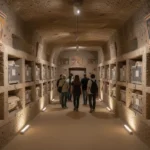
In the early church, Christian painting and decoration often appeared in catacombs and private houses, where believers gathered in underground spaces. The imagery tended toward symbolic simplicity rather than naturalistic detail, because many artists were anonymous and the art served as a catechetical tool for new converts. Typical themes included the Good Shepherd, biblical episodes, and scenes from the life of Christ, rendered with bold silhouettes, restrained color palettes, and a focus on emblematic meaning rather than illusionistic space.
Key characteristics of this period include:
Use of symbolic programs to convey doctrinal truths.
Emphasis on faces and gesture to express piety and devotion.
Non-figural decoration in some settings, aligning with a reverence for sacred space.
Byzantine iconography and the devotion to holy images
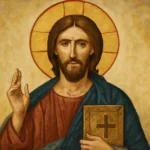
As Christianity became a hierarchical and liturgical tradition, icon painting emerged as a distinctive form. In the Byzantine world, icons functioned as sacred images that mediate divine presence. Artists followed strict conventions: standardized poses, frontal figures, gold backgrounds, and a careful hierarchy of holy figures. This system helped the faithful read theological messages quickly and consistently across vast geographic areas.
Important features include:
Use of encaustic or tempera on wooden panels, often with egg tempera as the binding medium.
Conventions such as Hollow halos, hieratic scale for saints, and serene, otherworldly expressions.
Icons as objects of veneration in churches and households, rather than mere decoration.
Renaissance and the reimagining of sacred space
During the Renaissance, Christian painting expanded its repertoire with naturalistic space, perspective, and human emotion. Artists sought to reconcile sacred narratives with a humanist curiosity about sight, anatomy, and light. Commissions from churches, palaces, and guilds fostered innovations in technique and composition, while the spiritual aims of the art remained central: to inspire awe, instruct the viewer, and render the divine in a form that felt both transcendent and accessible.
Key shifts include:
Adoption of oil painting techniques that allowed richer color and more subtle modeling of flesh and fabrics.
Depictions of biblical scenes with narrative clarity and emotional depth.
Reinterpretations of traditional subjects through the lens of contemporary experience and theology.
Reformation, Baroque, and the liturgical theater
In the wake of the Reformation, Christian painting diversified dramatically. Some movements emphasized iconoclasm or reformulated imagery to align with particular confessional frameworks, while the Baroque era amplified drama, movement, and light as means of engaging the senses and guiding devotion. Religious art remained central to worship and education, but its forms grew more varied in response to changing church policies, patronage, and audience expectations.
Highlights of this period include:
Dynamic composition and chiaroscuro that dramatize sacred narratives.
Visual storytelling designed to accompany and elevate liturgy and preaching.
A continued reliance on biblical painting and hagiography to inspire believers.
Modern and contemporary Christian painting
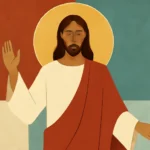
In the modern and postmodern eras, Christian painting has often engaged with broader questions about faith, doubt, social justice, and reconciliation. Artists explore the sacred through abstraction, conceptual approaches, and cross-cultural dialogue, while still drawing on biblical texts, liturgical themes, and the universal language of symbols. Contemporary religious painting may appear in traditional church spaces, galleries, public commissions, or digital media, reflecting how faith continues to live within creative practice.
Cross-cultural influences and the incorporation of non-Western aesthetics into Christian painting.
A shift toward symbolic and contemplative works that invite quiet reflection rather than narrative clarity alone.
Intersections with social practice, community art, and outreach, using painting as a form of ministry.
Techniques in Christian painting: media, methods, and craftsmanship
Artistic technique in Christian painting spans centuries and regions. The choice of medium shapes texture, color, durability, and the viewer’s experience of the sacred. Here, we explore major methods, their historical roots, practical considerations, and the ways they contribute to the spiritual aims of the work.
Oil on canvas: versatility for sacred storytelling
Oil painting became a dominant medium during the Renaissance and remains central in many Christian art studios today. Its slow drying time allows for rich glazing, subtle tonal shifts, and luminous colors that can evoke the otherworldly light associated with sanctity. Oil lends itself to both detailed realism and expressive brushwork, enabling artists to explore interior states such as devotion, doubt, or grace.
Key advantages include:
Glazing techniques that build depth and glow.
Strong color saturation and long-term durability with proper varnish and preparation.
Flexibility in scale, from intimate devotional panels to monumental altarpieces.
Common challenges involve:
The need for careful preparation of primed canvases and appropriate grounds.
Varnish aging and the requirement for conservation strategies to preserve the original tones.
Tempera and egg tempera: precision and luminosity
Egg tempera, a staple before oil, uses egg yolk as a binder and yields a crisp, luminous, and durable surface. It is associated with icon painting and early panel works in Europe. The technique favors precise lines, fine detail, and a restrained color palette, often resulting in a transcendent, timeless quality that suits sacred subjects.
Important aspects include:
Quick-drying, requiring deliberate planning and precise underdrawing.
A distinctive matte finish that can be enhanced with varnish for protection.
Compatibility with gold leaf and incised surfaces found in sacred icon production.
Fresco and mural painting: art that endures on walls
Fresco involves applying pigments onto freshly laid lime plaster, creating a durable bond as the plaster dries. This method has a long history in church decoration and public spaces. Fresco painting requires careful planning, as the artist must work quickly in sections and pre-plan the composition to fit the plaster’s drying process.
Strengths of fresco include:
Exceptional longevity when executed with good technique and environmental control.
Large-scale, immersive narratives that envelop worship spaces.
integrated with architectural space, lighting, and acoustics to enhance spiritual experience.
Limitations include:
Difficulty of revisions once plaster has set.
The need for scaffolding and environmental regulation during execution.
Icon painting: sacred tradition with disciplined practice
Iconic painting represents a distinct tradition, especially within the Orthodox and Eastern Catholic churches. Icons are considered windows into the divine and are created according to strict canonical rules. Techniques typically involve tempera on wood with gold leaf, underdrawing, and multiple glaze layers. The role of the icon is not decorative but devotional; it is a tool for contemplation, prayer, and liturgical function.
Notable features include:
A strong emphasis on outline and contour to preserve symbolic readability.
Use of flat space and frontal iconography to convey spiritual presence.
Veneration practices that treat the icon as a holy object rather than merely a painting.
Encaustic and wax-based approaches: ancient and tactile
Encaustic involves applying pigments mixed with wax while the surface is hot. This method produces a distinctive, tactile depth and a sense of permanence that resonates with the sacred. While less common today, encaustic remains a meaningful option for artists seeking a venerable texture and a link to early Christian and Byzantine techniques.
Rich, luminous surface with a unique tactile quality.
Technical demands, including studio conditions and careful heat management.
Acrylic and mixed-media approaches: flexibility for contemporary sacred art
In the 20th and 21st centuries, acrylic painting and mixed media have opened new pathways for religious art. Acrylics dry rapidly, offer vibrant color, and pair well with collage, printmaking, and digital media. For contemporary Christian painters, these techniques enable rapid prototyping, community projects, and experimental expressions of faith that still speak to doctrinal concerns and devotional life.
Key attributes:
Quick drying time allows for iterative layers and collaborative projects.
Compatibility with a variety of substrates and supports.
Opportunities to blend traditional symbolism with modern aesthetics.
Iconography, symbolism, and the visual vocabulary of Christian painting
Regardless of medium, Christian iconography remains central to how faith is encoded in paint. Symbols, colors, gestures, and compositions convey spiritual truths that words alone may fail to express. Understanding these motifs helps viewers both appreciate the art and engage in its devotional dimensions.
Common symbols and their meanings in sacred art
The cross as the central sign of salvation and sacrifice.
Chi-Rho monogram and other christograms that identify Christ's presence.
Alpha and Omega representing beginning and end, eternity in Christ.
The Good Shepherd symbolizing care, guidance, and divine companionship.
Halo and aureoles to denote holiness and grace.
Mary and the Child images expressing motherhood, intercession, and compassion.
Saints and martyrs depicted as models of virtue or intercessors for the faithful.
Light and color symbolism to suggest divine presence, truth, and revelation.
Color language in sacred painting
Colors aren’t merely decorative; they carry doctrinal and liturgical weight. For example, in many Christian traditions:
Gold signals heavenly glory and the sacred throne.
Blue often indicates the Virgin Mary’s role and the heavens.
Red can signify martyrdom, the Holy Spirit, or divine love.
Green suggests life, renewal, and the growth of the Church.
These associations can vary by tradition and era, but color remains a powerful conduit for meaning in sacred painting.
Subjects, themes, and narratives favored in Christian painting
The Bible and the lives of saints provide a rich reservoir of subjects for religious painting. Artists often select scenes that illustrate doctrinal truths, teach moral lessons, or accompany liturgical seasons. Below is a survey of prominent categories and how they function in the visual arts.
Biblical narratives and scenes from life of Christ
Paintings depicting events from the Life of Christ—from the Nativity to the Resurrection—have long captured the imagination of Christian painters. These works serve as visual sermons, inviting viewers to contemplate the mysteries of redemptive history and respond in prayer.
Incarnation and Nativity: portraying the moment of divine becoming human.
Miracles and teachings: illustrating Christ’s authority and compassion.
Passion and Resurrection: emphasizing sacrifice, victory over death, and hope.
Virgin Mary and the saints: devotional and doctrinal roles
Depictions of Mary, the mother of Jesus, and the saints appear across Christian painting, serving as models of virtue, intercessors for prayer, and bridges between heaven and earth. Mary’s portrayal ranges from sorrowful or majestic to intimate and human, reflecting various pious devotions. Saints are often shown with symbols, stories, or attributes that identify their martyrdom, miracles, or life’s work.
Parables and moral instruction
Parables provide compact visual narratives that communicate ethical teachings. In biblical painting, parables are often staged with clear moral contrasts and symbolic gestures to guide contemplative understanding. These works can function within church interiors as didactic tools for catechesis or as meditative prompts in private chapels.
Liturgical cycles and feast days
Many Christian painting programs are organized around the liturgical calendar. Church art and altarpieces may be designed to accompany specific feasts, seasons, or seasonal cycles such as Advent, Lent, and Easter. This approach helps congregants orient their prayer life to the rhythms of the church year and invites participation through color, imagery, and ritual context.
Materials, studio practice, and the craft of making sacred images
Training in religious art combines technical skill with theological sensitivity. The choice of materials, supports, and working methods influences not only the durability of the painting but also its capacity to convey sacred meaning. Here are practical considerations for artists who want to pursue or study sacred painting in a thoughtful, informed way.
Supports and grounds
Historically, Christian painting has used wooden panels, stretched canvas, plaster walls, or fresco substrates. Each support has distinct preparation steps, binding mediums, and aging characteristics. A well-prepared ground reduces cracking, improves color adhesion, and helps achieve the desired surface texture.
Wood panels require sealing, gesso, and careful sanding to create a smooth, stable surface.
Canvas supports demand proper sizing and priming to prevent paint from decaying or flaking.
Fresco walls demand attention to the lime plaster mix, humidity, and the pigment’s behavior as the plaster dries.
Binders, pigments, and surface layers
Binder choices shape the texture, drying time, and color fidelity of a painting. Traditional binders include egg tempera for icons and lime-based plasters for fresco, while oil and acrylics offer modern flexibility. Pigment chemistry influences aging, color shift, and the surface’s tactile quality.
Egg tempera yields precise lines and a luminous, dry finish that remains recognizable across centuries.
Oil paint allows glazing and subtle tonal transitions, with a long working time for refinements.
Acrylics, as modern solutions, enable bright color, rapid layering, and mixed-media experimentation.
Gold leaf, gilding, and sacred radiance
Gold leaf has been a hallmark of sacred painting, especially in iconography and Byzantine-influenced works. The gleam of gold communicates the transcendent and eternal dimension of the sacred. Gilding requires delicate handling, a stable adhesive, and careful surface preparation to avoid flaking or tarnish.
Underpainting, glazing, and finishing
Many religious painters use underpainting to establish values before color. Glazing layers can create depth, atmosphere, and a sense of spiritual glow. Finishing varnishes protect the work and can influence the final appearance—gloss, satin, or matte—depending on the intended devotional relationship between the painting and its viewers.
From concept to sacred image: the process of creating Christian art
Whether employed for worship spaces, private devotion, or public commissions, the process of making Christian painting typically intertwines prayer, theological reflection, and technical discipline. The stages below sketch a holistic approach to producing meaningful Christian imagery.
Idea and intention: A painting begins with a concept rooted in scripture, liturgy, or devotional practice. The artist or commissioner clarifies purpose, audience, scale, and budget.
Research and iconographic planning: The artist studies symbolic language, color schemes, and composition conventions appropriate to the intended tradition and audience.
Preliminary composition: Sketches, studies, or underdrawings establish composition, focal points, and the narrative flow of the panel or mural.
Underpainting: A tonal map helps guide the final color layering and ensures unity of light and shadow.
Layering and glazing: Color is built through multiple layers, allowing the artist to refine forms, mood, and symbolically charged surfaces.
Surface treatment and detailing: Finishing touches, line work, and symbolic precision bring clarity to iconographic elements.
Incorporation of sacred symbolism: Colors, gestures, halos, and attributes are applied with deliberate theological intention.
Conservation-aware finishing: Varnishes, protective supports, and documentation ensure longevity and accessibility for future generations.
Inspiration and creative practice: cultivating a fruitful studio life
Inspiration for Christian painting can be sought in prayer, scripture, liturgy, and the lived experience of faith communities. Yet a disciplined Studio practice—blending contemplation, study, and technique—helps translate inspiration into durable, meaningful works. Below are ideas to nurture a vibrant relationship with sacred painting.
Study of sacred texts and liturgy: Regular reading and prayer can shape the thematic core and devotional depth of a painting.
Dialogues with tradition: Visiting churches, monasteries, or museums with strong Christian art collections provides context for symbolic choices and stylistic decisions.
Sketching and pilgrim study: Small trials and field studies in sacred spaces help the artist learn how images function within actual worship.
Interdisciplinary exploration: Architecture, music, and poetry can illuminate how painting participates in a broader sacramental life.
Community commissions: Working with parishes, schools, or churches fosters art that serves real communities and nourishes the faithful.
Influential periods and artists in Christian painting: a survey of voices
Across centuries, countless artists contributed to the rich tapestry of Christian art. While the names below are just a sampling, they illustrate the diversity of approaches—from exacting iconology to dramatic narrative painting.
Medieval and Renaissance masters
Cimabue and Giotto for their pivotal advancements in space, emotion, and narrative clarity within sacred scenes.
Fra Angelico for luminous panel paintings that combine serene devotion with meticulous technique.
Hans Memling and Jan van Eyck for Northern European devotion and detailed realism in religious subjects.
Baroque and reform-era painters
Caravaggio and Peter Paul Rubens for dramatic light, tension, and the visceral power of sacred scenes.
Rembrandt for intimate nocturnal light and contemplative representations of faith, mercy, and human frailty.
Caracci and their circle in Bologna for the revival of classical composition framed within Catholic renewal.
Modern and contemporary contributors
Rogier van der Weyden in the earlier era offered devotional intensity; modern successors explore new forms while preserving spiritual intent.
Mark Rothko and other moderns, when engaged with Christian themes, present spiritual questions through color and scale rather than narrative storytelling.
Kazuhiro Shibuya and other contemporary Christian painters experiment with cross-cultural symbolism and mixed media to address current faith experiences.
Contemporary faith-based painting: trends, challenges, and opportunities
Today’s religious painting landscape is marked by experimentation, accessibility, and a growing fascination with community engagement. Artists working in churches, galleries, and public spaces often blend traditional iconographic language with contemporary aesthetics to reach diverse audiences. This section outlines some notable directions and considerations for those engaging with modern Christian painting.
Hybrid practices: Merging sacred imagery with abstract forms, graffiti-inspired motifs, or digital processes to reach new audiences while maintaining reverence for tradition.
Public commissions: Faith-based murals, civic chapels, and church interiors provide opportunities to reflect on local narratives, social justice, and community memory through painting.
Cross-cultural dialogue: Migrant, diasporic, and postcolonial contexts enrich Christian painting with new symbols, color palettes, and stylistic idioms.
Art as ministry: Artists often collaborate with congregations to facilitate prayer, healing, and reflection through image-making.
Preservation, conservation, and responsible stewardship of sacred paintings
Preserving Christian artwork requires attention to both physical conservation and the integrity of its meaning. Conservation teams work to stabilize pigments, ground layers, and supports while honoring the artist’s original intent, cultural context, and liturgical function. Youthful and elderly priests, curators, and conservators collaborate to ensure that sacred images remain legible, accessible, and resonant for future generations.
Documentation: Cataloging materials, techniques, and historical provenance supports accurate restoration and scholarly study.
Environment control: Humidity, temperature, and light levels are managed to slow aging and preserve color integrity.
Ethical considerations: Conservation decisions respect religious sensibilities and the spiritual purpose of the artwork.
Conclusion: embracing the enduring language of Christian painting
Across centuries and continents, Christian painting has remained a powerful medium for communicating faith, shaping devotional life, and inviting contemplation. The techniques described—oil, tempera, fresco, iconography, and modern mixed media—provide a toolkit for artists who wish to translate sacred truths into images that speak to the heart. The symbolism and themes explored—biblical narratives, Marian devotion, and the lives of saints—offer a rich repertoire for telling the stories of faith. Whether you approach religious painting as a student, a practitioner, or a patron, the essential aim stays constant: to illuminate mystery, nurture reverence, and inspire generous acts of love through the transformative power of color, light, and form. In the end, the pastoral purpose of Christian painting is not only to decorate walls but to accompany worship, to foster memory, and to invite every viewer into a deeper encounter with the sacred.
If you are exploring this world for the first time, consider visiting a place where sacred art is actively used in worship—cathedral galleries, monasteries with artists in residence, or parish churches that host rotating exhibitions. Observe how a painting’s texture, glow, and composition contribute to the liturgy and the quiet moments of prayer. Notice the way symbolic choices—color, gesture, and space—help convey a theology that words alone cannot fully express. By studying the techniques of sacred art and reflecting on the ideas behind them, you can cultivate a deeper appreciation for Christian painting as a living conversation between artists, communities, and the divine.






Leave a Reply