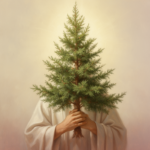
The Mediterranean cypress (Cupressus sempervirens) is a tall, conical evergreen conifer reaching heights of up to 20–35 meters. It features dense, scale-like dark green foliage forming a narrow, columnar crown. The tree's bark is fibrous, reddish-brown, and peels in irregular patches. Its small, rounded, or slightly elongated cones contain seeds dispersed by wind. Preferring well-drained, calcareous soils, it thrives in warm, dry Mediterranean climates, often in ceremonial or border plantings. The cypress's resilient nature and striking silhouette symbolize strength and immortality, making it a prominent feature in ancient and biblical landscapes.
Scientific Name
Cupressus sempervirens
Hebrew/Greek Name
יִרְקָה (Yirka) / Κύπρος (Kypros)
Common Names
Cypress, Mediterranean Cypress
Native Habitat
Native to the eastern Mediterranean region, especially modern-day Turkey, Cyprus, and parts of the Levant. It favors rocky, calcareous soils in warm, temperate climates with well-drained conditions and full sun exposure.
First Biblical Mention
1 Kings 6:15, describing cypress wood used in temple construction
📖 Biblical References
Reference
Context
Significance
Psalm 92:12
The psalm compares the righteous to a palm tree and a cedar, with cypress implied as a symbol of enduring strength.
Represents resilience, eternal life, and steadfastness
1 Kings 6:23-36
The cypress wood was used in the construction of Solomon's Temple, highlighting its value and durability.
Symbolizes divine blessing and a sacred, enduring construction material
Isaiah 55:13
Mentions the cypress as part of the prophetic imagery of transformation and renewal.
Conveys hope and the everlasting nature of God's creation
✨ Symbolic Meaning in Scripture
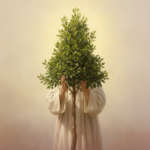
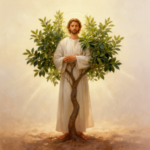
In biblical tradition, the cypress embodies notions of eternal life, incorruptibility, and faithfulness. Its enduring green foliage all year round symbolizes everlasting life and divine resilience. The tree's resilience amidst harsh conditions mirrors spiritual endurance, steadfastness, and God's unchanging promises. In Scripture, cypress trees often serve as symbols of strength, righteousness, and divine protection. Their majestic, upright form depicts spiritual elevation and moral uprightness, while their long-lasting wood reminds believers of God's eternal covenant. Across biblical texts, the cypress’s permanence underscores themes of hope, renewal, and divine eternity, making it a powerful metaphor for spiritual steadfastness and divine blessing.
Ancient Israelites highly valued cypress wood for constructing temples, palaces, and coffins due to its durability and beauty. Its resin and timber were also used medicinally and in sealing sacred spaces. The tree served as a symbol of prestige and spiritual significance, often planted near temples and tombs to evoke divine protection and everlasting life. In trade, cypress was a sought-after commodity within the Mediterranean, exemplifying its economic and cultural importance in the ancient Near East. Additionally, its aromatic resin was employed in rituals and for medicinal purposes, reflecting a holistic approach to its utility.
✡️ In Jewish Tradition
In Jewish tradition, cypress trees symbolize eternal life and divine resilience. They appear in rabbinic literature as representations of steadfastness and moral uprightness, often associated with visions of paradise or divine protection. The tree’s durability and resilience serve as metaphors for the Jewish people's enduring faith and covenant with God, especially during times of hardship. Its presence in religious architecture and symbolism reinforces themes of spiritual strength and hope within Jewish narratives and customs.
✝️ In Christian Tradition
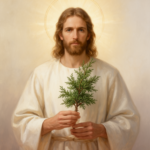
Christian symbolism often associates the cypress with eternity, eternal life, and resurrection, inspired by its evergreen nature. It appears in medieval art as a symbol of steadfast faith and divine promise. The tree’s resilience in the face of adversity aligns with Christian teachings on perseverance and divine faithfulness. Its prominence in funeral and memorial settings further emphasizes themes of everlasting life, divine protection, and hope beyond death, making it a meaningful symbol in Christian hymnography and iconography.
Botanically identified as Cupressus sempervirens, the Mediterranean cypress is widely accepted as the biblical cypress. However, some scholars suggest other conifers like the cedar or juniper as candidates due to overlapping uses and symbolism. The exact species remains debated, but traditional and archaeological evidence supports Cupressus sempervirens as the most likely candidate due to its historical range, appearance, and cultural significance.
🗺️ Where Is It Found Today?
Today, cypress trees are abundantly found along the Mediterranean coasts, especially in Israel, Lebanon, Turkey, and Greece. They are prominent in historical and modern landscapes, often lining ancient roads, churchyards, and cemeteries for their symbolic and aesthetic value. In Israel, cultivated specimens grow in botanical gardens and parks, preserving their biblical and cultural heritage.
Is the biblical cypress the same as the modern Mediterranean cypress?
Yes, most scholars agree that the biblical cypress referred to in Scripture is the Mediterranean cypress, Cupressus sempervirens, due to its widespread historical presence and symbolic significance.
What does the cypress symbolize in biblical stories?
The cypress symbolizes endurance, eternal life, divine protection, and spiritual steadfastness, representing God's everlasting covenant and the enduring faith of His followers.
Can cypress trees be found outside the Middle East today?
Yes, cypress trees are cultivated in various parts of the world, including Europe, North America, and Australia, often valued for their ornamental and symbolic qualities, though their natural range remains the Mediterranean basin.
✨ Did You Know?
The cypress wood used in Solomon’s Temple was so prized that ancient builders transported it from distant regions, demonstrating its perceived divine and royal significance. Archaeological findings indicate that cypress resin was used in mummification practices in neighboring cultures, hinting at its sacred symbolism beyond Israel.







Leave a Reply