You may want to do the right thing but still wonder what “goodness” actually requires. Is it being kind, obeying moral rules, helping other people, or simply having good intentions? The clearest answer is that goodness is a steady commitment to what benefits people and respects their dignity, expressed through honest choices, compassionate action, and sound judgment.
Goodness is not the same as being agreeable all the time. A good person may say no, tell an uncomfortable truth, set a boundary, or oppose unfair treatment. What makes the action good is not whether everyone likes it, but whether it is guided by care, integrity, fairness, and a responsible understanding of consequences.
Goodness describes both a person’s character and the quality of their actions. When you call someone good, you may mean that they are trustworthy, considerate, fair, courageous, generous, or committed to helping others. These qualities usually appear in repeated behavior rather than in one impressive moment.
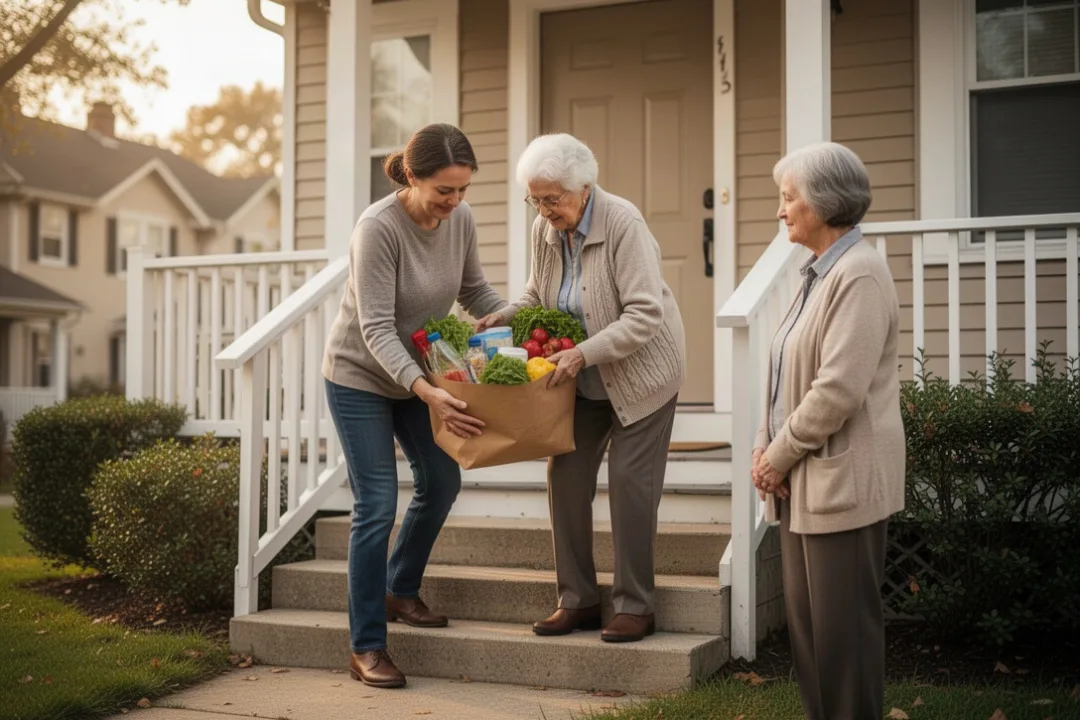
Goodness also involves how you use your power, time, attention, and resources. A manager can show goodness by treating employees fairly. A friend can show it by listening without exploiting private information. A stranger can show it by returning a lost wallet, making space for someone with a disability, or intervening safely when another person is being mistreated.
The word can carry different meanings depending on the setting. In ethics, goodness concerns what is morally worthwhile. In religion, it may describe a quality associated with God, spiritual growth, or holy living. In ordinary conversation, it often means kindness and reliability. These meanings overlap, but none reduces goodness to pleasantness or reputation.
Core idea: Goodness combines good intentions with wise action. Caring about people matters, but so does choosing methods that genuinely help rather than create avoidable harm.
How goodness differs from kindness, niceness, and perfection
Goodness is related to kindness, but the two words are not identical. Kindness is usually a specific expression of care, such as offering encouragement or practical help. Goodness is broader: it can include kindness, but also requires honesty, justice, courage, self-control, and accountability.
Niceness often refers to a pleasant manner. A nice person may smile, use polite language, and avoid conflict. Those habits can be valuable, but they do not guarantee moral goodness. Someone can appear charming while deceiving others, ignoring injustice, or taking advantage of people who trust them.
Goodness is not perfection, either. A good person can make mistakes, lose patience, misunderstand a situation, or act selfishly. The difference is often found in the response: they recognize the harm, accept responsibility, make repairs, and learn from the experience rather than defending every decision.
Kindness focuses on relieving distress or making another person’s life better.
Niceness focuses on pleasant interaction and social harmony.
Goodness includes kindness but also asks what is honest, fair, responsible, and beneficial.
Perfection is an unrealistic standard; goodness allows room for growth and correction.
A practical way to decide what goodness requires
When a situation is unclear, you can evaluate it step by step instead of relying only on impulse. Good intentions are a useful starting point, but a thoughtful process helps you avoid helping in ways that are intrusive, unfair, or harmful.
Identify who may be affected. Consider the person asking for help, other people involved, and anyone who may bear an unseen cost.
Clarify the real need. Ask what would actually improve the situation. A person may request money, for example, when what they need is safety, transportation, food, medical care, or information.
Check the facts. Goodness should not depend on rumors, stereotypes, or a rushed assumption about someone’s motives.
Compare possible actions. Look for an option that provides meaningful help while limiting unnecessary harm, dependency, humiliation, or unfairness.
Respect consent and dignity. Do not treat another person as a project, possession, or opportunity to display your virtue.
Act within your responsibility. Help where you have a legitimate role and seek qualified support when the problem involves danger, abuse, medical concerns, or legal issues.
Review the result. If your action caused harm or failed to help, acknowledge that plainly and adjust your approach.
This process does not make every moral decision easy. It does, however, move you from vague sympathy toward careful, effective, and accountable goodness. Sometimes the best action is immediate assistance; sometimes it is a referral, a boundary, a difficult conversation, or a refusal to participate in wrongdoing.
The character traits that make goodness dependable
Goodness becomes more trustworthy when it is supported by several related virtues. A person may be generous but careless, honest but cruel, or compassionate but easily manipulated. Mature goodness brings different qualities into balance.
Compassion notices suffering
Compassion helps you see another person’s pain without treating them as weak or inferior. It encourages attention to circumstances that may not be visible from the outside, such as grief, poverty, illness, discrimination, loneliness, or fear. Compassion does not require you to approve of every choice someone makes; it asks you to respond with humanity.
Honesty protects trust
Goodness needs truthfulness because people cannot make informed decisions when they are being misled. Honest communication includes accurate promises, transparent motives, and a willingness to say what you do not know. It also requires tact: truth should not be used as an excuse for humiliation or needless harshness.
Justice expands your attention beyond the person directly in front of you. It asks whether rules are applied consistently, whether vulnerable people are being exploited, and whether benefits and burdens are distributed fairly. A generous gift to one person may be kind, but challenging a system that repeatedly harms many people may be a more substantial form of goodness.
Courage acts when goodness is costly
It is easy to behave well when there is no risk, inconvenience, or social pressure. Courage matters when doing what is right could lead to criticism, lost status, financial cost, or personal discomfort. Courage does not mean acting recklessly. It means accepting a reasonable cost rather than abandoning your principles whenever goodness becomes inconvenient.
Humility remains open to correction
Humility keeps goodness from turning into self-righteousness. It reminds you that you may misunderstand a situation, overlook someone’s perspective, or cause unintended harm. A humble person can receive feedback without collapsing into shame or responding with defensiveness.
Practical wisdom chooses suitable methods
Practical wisdom connects moral purpose with good judgment. It helps you decide when to speak, when to listen, how much to give, whom to involve, and what consequences are likely. Two people may want to help equally, yet the wiser person may choose the action that is more sustainable and less damaging.
Why good intentions are not enough
Intentions matter because they reveal what you are trying to achieve. They do not settle the moral question by themselves. A person can intend to protect someone while spreading private information, intend to encourage a friend while dismissing their pain, or intend to teach responsibility while using humiliation.
Before acting, ask yourself three questions: What am I trying to accomplish? What information might I be missing? What could go wrong if I am mistaken? These questions do not require endless analysis, but they create space between a sincere impulse and a potentially harmful response.
Goodness also requires attention to power. Help offered by a teacher, employer, parent, public official, or wealthy person may feel less voluntary because the other person fears consequences. In those situations, goodness includes clear boundaries, genuine choice, confidentiality, and protection from retaliation.
Important distinction: You can care about someone without taking control of their life. Respectful help supports another person’s agency instead of making them dependent on your approval or constant involvement.
How to practice goodness in ordinary relationships
Most goodness is not dramatic. It appears in the way you handle routine interactions, especially when there is no audience and no reward. Small choices shape whether people experience you as safe, dependable, and fair.
Listen carefully instead of preparing your response while someone else is speaking.
Keep reasonable promises, and communicate early when you cannot keep one.
Give credit accurately rather than presenting another person’s work as your own.
Apologize specifically by naming what you did and how it affected someone.
Protect confidential information unless sharing it is necessary to prevent serious harm.
Include people who are being overlooked without putting them on display.
Refuse gossip that damages someone’s reputation without a legitimate purpose.
Offer practical help, such as transportation, a meal, a referral, or time, instead of only expressing sympathy.
At work, goodness may mean giving useful feedback privately, making workloads visible, crediting less powerful colleagues, or reporting serious misconduct through appropriate channels. In a family, it may mean listening to a difficult concern without ridicule, sharing responsibilities fairly, and allowing adults to make their own decisions.
With friends, goodness includes mutuality. You can support someone through a crisis without becoming their only source of care. Healthy goodness respects your own limits as well as the other person’s needs.
How to set boundaries without abandoning goodness
Many people confuse goodness with constant availability. They say yes because they fear appearing selfish, then become exhausted, resentful, or unreliable. A boundary can be a good action when it prevents deception, protects health, preserves a relationship, or makes your support sustainable.
A clear boundary usually contains three parts: what you can do, what you cannot do, and what alternative you can offer. For example, you might say that you cannot lend money, but you can help locate a community resource. You might decline a late-night call while offering a time to talk the next day.
Good boundaries should not be used to punish, control, or create uncertainty. State them calmly, apply them consistently, and avoid lengthy arguments designed to force the other person to approve. Their disappointment does not automatically mean that your decision was unkind.
There are situations where distance is appropriate. If someone repeatedly manipulates, threatens, steals, or violates consent, protecting yourself and seeking outside help may be more responsible than offering another chance. Goodness toward others does not require unlimited access to you.
Goodness and difficult moral choices
Some choices involve competing goods rather than a simple right-versus-wrong answer. You may need to balance honesty with privacy, loyalty with fairness, mercy with accountability, or immediate relief with long-term stability. Recognizing the conflict does not make you indecisive; it shows that you understand the stakes.
When values compete, identify what must not be violated. Safety, informed consent, basic dignity, and protection from serious abuse often deserve priority. Then ask which available option preserves the most important value while causing the least avoidable harm.
It can help to consult someone with relevant knowledge who is not personally invested in the outcome. A doctor, counselor, attorney, supervisor, faith leader, or experienced trusted person may identify consequences that you cannot see. Protect private information, and do not outsource every moral decision; guidance should strengthen judgment rather than replace it.
Afterward, accept that a responsible choice may still produce sadness or loss. Goodness is not measured by whether every outcome feels comfortable. It is measured partly by whether you acted honestly, considered those affected, respected limits, and remained willing to repair damage.
How goodness grows through habits
Character develops through repeated practice. You do not have to wait for a major crisis to become more good. Ordinary habits train your attention and make ethical action easier when pressure arrives.
Pause before reacting. A brief delay can keep anger, fear, or embarrassment from choosing your words.
Notice who is carrying the burden. In a group, ask whether the same people are always doing unpaid, emotional, or inconvenient work.
Choose one reliable act of service. Make it specific and repeatable, such as checking on a neighbor or volunteering regularly.
Practice honest self-examination. Look for excuses, double standards, envy, or assumptions that influence your conduct.
Repair quickly. A direct apology and changed behavior are more valuable than prolonged self-criticism.
Learn from people affected by decisions. Their experience can reveal consequences that good intentions conceal.
Reflection works best when it leads to action. Instead of asking only whether you are a good person, ask what your behavior made easier or harder for someone else today. That question shifts attention from identity to responsibility.
What goodness can look like in public life
Goodness extends beyond personal relationships. It affects how you participate in neighborhoods, workplaces, schools, civic institutions, and online communities. Public goodness includes following fair rules, challenging discriminatory treatment, supporting people in danger, and considering how shared decisions affect those with less influence.
You can practice it by checking information before sharing it, listening to people directly affected by a policy, donating responsibly, and choosing organizations that explain how they use support. You can also support fair processes rather than demanding special treatment for yourself while others face barriers.
Online, goodness requires remembering that a real person is usually behind the account or message. Criticize ideas and conduct accurately, avoid exposing private details, and do not join harassment for entertainment or social approval. If someone is being threatened or targeted, preserve evidence and use the platform’s reporting or safety systems when appropriate.
Public goodness does not mean agreeing with everyone. Strong disagreement can be morally responsible when it protects people or corrects false claims. The standard is firmness without contempt: make the case clearly, avoid dehumanizing language, and remain open to evidence.
How to recognize genuine goodness in other people
Look beyond charisma and isolated gestures. Genuine goodness is more visible in patterns: how someone treats people who cannot benefit them, how they respond to a mistake, whether their private conduct matches their public claims, and whether they respect a clear no.
Trust should grow gradually. Notice whether the person keeps commitments, shares credit, accepts accountability, and avoids using generosity to create obligation. Someone who performs kindness publicly but becomes threatening when refused is not demonstrating dependable goodness.
Goodness also has limits. A person can be admirable in one area and harmful in another. You do not need to label someone completely good or bad before making a practical decision about trust, cooperation, forgiveness, or distance.
When goodness becomes self-sacrifice or people-pleasing
Helping others can become unhealthy when your identity depends on being needed or approved. Signs include feeling guilty whenever you rest, agreeing to things you cannot do, hiding your needs, tolerating mistreatment, and becoming resentful because others do not recognize your sacrifices.
People-pleasing is not the same as generosity. Generosity is freely chosen and can include limits. People-pleasing is often driven by fear: fear of rejection, conflict, criticism, or abandonment. Addressing that fear may require practice, supportive relationships, or professional counseling.
Ask whether your help is freely offered, realistically sustainable, and genuinely wanted. If the answer is no, pause before committing. A smaller honest contribution is often better than a large promise that leaves you depleted or creates disappointment later.
Goodness, forgiveness, and accountability
Forgiveness can be a form of goodness, but it does not erase consequences or require renewed trust. You may release the wish to retaliate while still seeking justice, ending contact, or requiring changed behavior. The person who caused harm remains responsible for repair.
Accountability should be specific. It may involve admitting what happened, listening to the impact without arguing, replacing damaged property, correcting a false statement, or accepting a reasonable consequence. Words matter, but consistent changed behavior is the strongest evidence of remorse.
You can also extend goodness toward yourself after making a mistake. Self-condemnation may feel serious, but it rarely repairs harm. Honest responsibility, appropriate amends, and a plan to behave differently are more useful than treating one failure as your permanent identity.
Questions to ask when you want to act well
When you are uncertain, a short set of questions can bring moral priorities into focus. You do not need perfect certainty before acting, especially when someone faces immediate danger, but thoughtful questions reduce careless decisions.
What does this person actually need?
Who else could be affected by my choice?
Am I relying on facts, or reacting to an assumption?
Would I consider this fair if our positions were reversed?
Does my help respect the person’s consent and independence?
Am I avoiding a necessary action because I want to remain comfortable?
Can I make this choice more honest, safer, or more sustainable?
If I am wrong, how will I repair the harm?
These questions turn goodness into something practical. They help you move from a vague wish to be “a good person” toward conduct that is compassionate, truthful, fair, courageous, and accountable.
Frequently asked questions
Is goodness an emotion or a character trait?
Goodness can involve warm feelings such as compassion, but it is more dependable when expressed as a character trait. A feeling may pass quickly; a trait influences repeated choices. Someone may act with goodness even when tired, frightened, or irritated because they have developed habits of honesty, fairness, restraint, and care.
Can a person be good while making serious mistakes?
Yes. Goodness does not require flawless behavior. It requires taking mistakes seriously, acknowledging harm without excuses, making reasonable amends, and changing future conduct. A person who refuses accountability may have good intentions, but repeated avoidance weakens the claim that their character is genuinely good.
Does being good mean helping everyone who asks?
No. Goodness includes judgment and boundaries. You may be unable to help, recognize that a request is unsafe, or choose a different form of assistance. Saying no respectfully can protect both people, especially when giving what was requested would encourage exploitation, violate another person’s rights, or leave you unable to meet existing responsibilities.
How can children learn goodness?
Children learn through repeated examples, clear expectations, and opportunities to repair mistakes. Praise specific behavior such as including someone, telling the truth, or returning an item. Explain who was affected and why the behavior mattered. When a child causes harm, focus on accountability and changed action rather than labeling the child as permanently bad.











Leave a Reply