Jewelry that features a cross motif has endured for centuries, crossing borders of culture, faith, and fashion. A cross pendant, whether worn on a delicate chain or as a bold centerpiece, carries more than simply ornamentation: it can be a personal symbol, a talisman, or a statement of style. This guide explores the many dimensions of cross jewellery, from its historical roots to contemporary interpretations, from materials and construction to care and maintenance, and from buying advice to styling ideas. If you are searching for a piece that marries timeless symbolism with modern aesthetics, this article will help you understand the breadth of options and how to choose a cross pendant that resonates with you.
Historical overview: how the cross became a wearable emblem
The cross has appeared in many cultures and periods, evolving from a geometric symbol to a widely recognized emblem of faith, hope, and resilience. Early representations of crosses can be found in ancient artifacts and classical art, but it was in the Christian era that the cross emerged as a central spiritual sign. Across centuries, artists and craftsmen translated this sacred motif into jewelry that appealed to different audiences—from devout worshippers seeking solace to enthusiasts who admired its design language.
Key themes in the history of cross jewellery include:
The shift from austere religious objects to fashionable accessories in different eras, including the medieval, Renaissance, and modern periods.
Regional variations that produced distinctive styles, such as the Latin cross, the Celtic cross, the Maltese cross, and the Greek cross.
The interplay between symbolism and craftsmanship, where engravings, enameling, filigree, and stone inlays added layers of meaning and beauty.
Today, cross pendants are embraced by a broad audience: people who value tradition, those who appreciate design innovation, and everyone in between. The timeless appeal lies in the dual nature of the cross as both a spiritual sign and a versatile design element.
Design variations: exploring the spectrum of cross pendants
The phrase cross jewellery covers a wide range of designs. Some are minimalist and delicate, while others are elaborate works of art featuring intricate metalwork and stones. Here are the major families of cross pendants you’re likely to encounter.
Classic and minimalist crosses
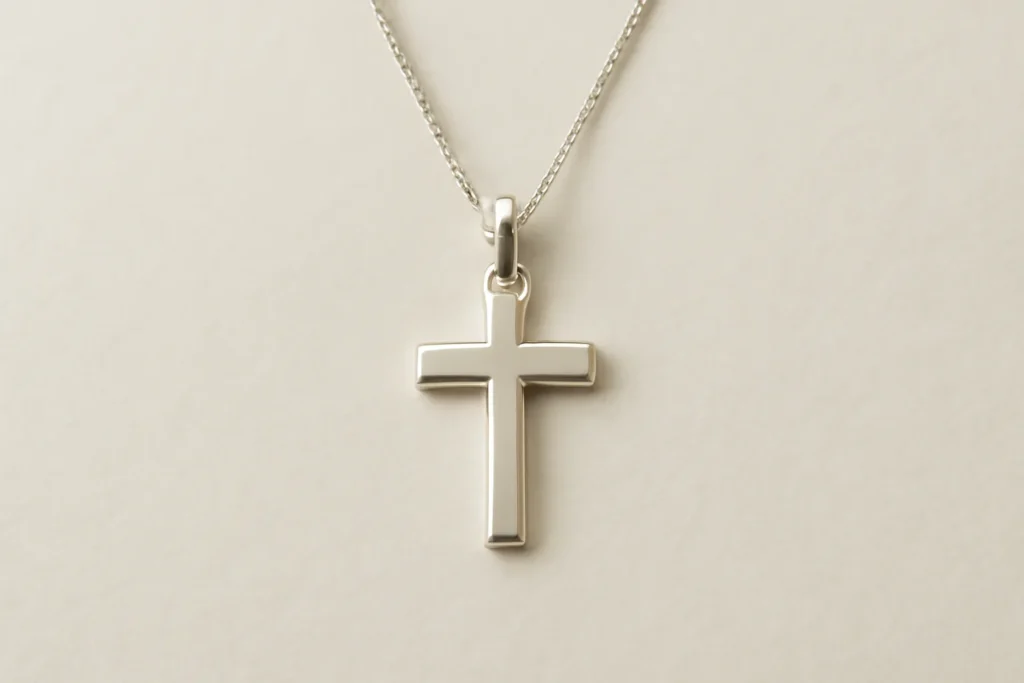
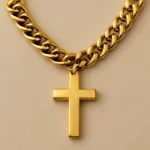
These pieces emphasize clean lines and a straightforward silhouette. They pair easily with everyday outfits and suit a minimalist wardrobe. Common characteristics include:
Thin profiles and simple contours
Solid or hollow forms in yellow, white, or rose gold, silver, or platinum
Muted engravings or none at all, allowing the shape to speak for itself
Filigree and ornate crosses
Ornate crosses celebrate craftsmanship through decorative metalwork. Filigree, lattice patterns, and delicate scrolls create a lacy, sophisticated aesthetic. This style often features:
Intricate openwork that reveals the skin or the chain beneath
Engravings, milgrain edges, and vintage-inspired textures
Possible use of gemstones or fine enamel accents
Celtic crosses and knotwork
The Celtic cross is unmistakable for its ring intersecting the cross shaft and its intricate knotwork. These pendants symbolize eternity and interconnectedness and are popular for those who want a design with a strong cultural resonance.
Cross pattée, pattee, and military-inspired shapes
The cross pattée features broad arms that taper toward the center, giving a bold, martial appearance. It’s often chosen for its strong silhouette and geometric balance.
Maltese cross and heraldic ideas
The Maltese cross is recognized by its square arms that broaden at the ends, creating a distinctive four-point star pattern. It evokes chivalric imagery and is frequently seen in high-polish metal with enamel accents.
Botonny and fleur-de-lis styles
Some crosses incorporate bottony shapes or fleur-de-lis motifs, yielding a regal, traditional feel. These pieces often appear in vintage collections or in modern remakes that nod to history.
Nature-inspired and geometric twists
Designers continually experiment with the cross form by integrating leaf motifs, vines, or geometric tessellations. These modern reinterpretations maintain the core symbol while expanding its stylistic vocabulary.
Materials and finishes: what crosses are made of
Cross pendants are produced in a spectrum of materials, each offering a different look, weight, and price point. The choice of metal interacts with the design and with the wearer’s skin, lifestyle, and jewelry care routine.
Gold: Yellow gold for warmth; white gold for contemporary elegance; rose gold for a romantic hue. Gold is prized for its luster and resilience, especially in higher karats.
Platinum: Dense and durable, platinum offers a cool, magnetic shine and is often preferred for investment-grade pieces or heirlooms.
Silver and sterling silver: Light, affordable, and versatile; often used for casual or fashion-forward crosses. Silver holds a bright, reflective sheen but can tarnish, requiring regular care.
Alternative metals and materials
Stainless steel: Durable, affordable, and resistant to tarnish, ideal for everyday wear.
Titanium: Lightweight and strong with a modern edge; often used in contemporary designs.
Composite materials: Ceramic inlays, resin accents, or mixed-metal construction to achieve unique textures and colors.
Gemstones, enameling, and accents
Cross pendants are frequently embellished with gems and colorwork to add personality and value. Common enhancements include:
Gem inlays: diamonds, sapphires, rubies, emeralds, or semi-precious stones set as inlays or pavé.
Enamel work: enamel can provide vibrant color bands or gradient effects on the cross surface.
Texture and surface treatments: high-polish, satin, matte, or hammered finishes to alter the visual mood.
Choosing a cross pendant: practical considerations
When selecting a cross pendant, you’ll weigh style, symbolism, and practicality. The right piece should feel authentic to you, comfortable to wear, and aligned with how you plan to use it—whether as a daily accessory, a statement piece for special occasions, or a sentimental gift.
Size and scale
Pendant size is a major determinant of presence and wearability. A few guidelines:
Smaller pendants (roughly 1–2 cm tall) are discreet and ideal for petite necklines and everyday use.
Medium pendants (2–4 cm) balance visibility with subtlety and work well in most settings.
Statement pendants (4 cm and larger) create a bold focal point and pair with simple outfits to avoid visual competition.
Thickness and weight
The weight of a cross pendant is tied to the metal type and thickness. Heavier pieces can feel substantial and communicate durability, but they may require stronger chains and more careful handling. Lighter pendants are comfortable for all-day wear and travel smoothly with most chain types.
Chain compatibility
The chain you choose should support the pendant’s weight and match its style. Consider:
Chain material: gold, white gold, silver, or steel to complement the metal of the pendant.
Chain width: broader for larger pendants; delicate for lightweight pieces.
Chain length: typically 16–24 inches for most pendants, but you may prefer sleeve lengths for layering or custom draping on the chest.
Religious and cultural considerations
Some cross motifs carry strong religious significance. If the cross pendant will be worn in sensitive or formal environments, choose designs that respect the wearer’s beliefs and community norms. For others, the cross is simply a design language—its aesthetics may take precedence over any symbolic interpretation.
Care and maintenance: keeping a cross pendant brilliant
Proper care extends the life and beauty of a cross pendant. Each material requires slightly different handling, but there are universal practices that protect luster and structural integrity.
General guidelines
Store separately in a soft cloth pouch to avoid scratches and tangling with other jewelry.
Wipe with a soft cloth after wearing to remove oils and residues.
Keep away from harsh chemicals, including chlorine, household cleaners, and perfume, which can damage metal and gemstones.
Material-specific care
Gold and platinum: mild soap and warm water, gentle brushing with a soft toothbrush, rinse, dry with a soft cloth. For white gold, occasional rhodium plating refreshes the bright white finish.
Silver: routine polishing with a silver cloth or a gentle silver polish to remove tarnish; avoid abrasive cleaners that can scratch.
Gemstones: avoid ultrasonic cleaners on soft stones (e.g., opal, pearl) or porous stones; check settings to ensure stones remain secure after cleaning.
Storage tips
Keep pendants in individual pouches or boxes with soft linings to prevent scratches.
Avoid exposing metal to humid environments for extended periods; some jewelry boxes include anti-tarnish strips or silica gel packets to minimize moisture.
Ethics, sustainability, and responsible purchasing
For many buyers, the provenance of the materials and the labor behind a cross pendant matters as much as the design itself. The jewelry industry is increasingly transparent, with details about sourcing, supply chain, and certifications playing a role in decision-making.
Conflict-free and ethically sourced materials
When possible, look for certifications or assurances that metals and gemstones are sourced responsibly. Options include:
RJC (Responsible Jewellery Council) certification for companies that meet ethical standards
Kimberly Process certification for rough diamonds
Fair Trade and Fairmined labels for gold and other metals
Chain-of-custody documentation to trace material origins
Brand transparency and responsible practices
Some brands publish detailed sourcing information, production methods, and social initiatives. Supporting manufacturers that prioritize fair wages, safe working conditions, and environmental stewardship aligns with a broader sense of responsible consumption.
Repair and resale considerations
Reputable jewelers can offer repair services, re-polishing, or component replacement to extend the life of a cross pendant. If you plan to pass the piece on as an heirloom, consider designs that hold value and meaning across generations, including classic shapes and durable settings.
Buying guide: what to look for when purchasing a cross pendant
Whether shopping in-store or online, a thoughtful buying process helps you select a cross pendant that suits your style, budget, and lifestyle. Use this checklist to guide your decision.
Base price by metal: silver and stainless steel are typically more affordable than gold or platinum.
Stone and embellishment impact: pave diamonds and colored gemstones raise the price, especially in larger sizes.
Brand or designer prestige can influence cost, as can limited editions or antique pieces.
Fitting and comfort
Pay attention to the chain length, clasp type, and how the pendant sits on your chest when you move. A well-fitted cross pendant should align comfortably with your collarbone and not bounce excessively when you walk.
Care instructions from the seller
Reputable sellers provide clear care guidelines. Following these directions helps maintain the pendant’s finish and security of any stones.
Styling guide: how to wear cross pendants for different looks
A cross pendant can be styled in countless ways, from subtle everyday wear to statement jewelry moments. The key is balance: the pendant should complement your outfit without overwhelming it.
Everyday elegance
For daily wear, pair a small cross pendant with a thin chain or a minimalist rope chain. Favor neutral outfits—white tees, denim, or casual shirts—and let the pendant act as a gentle accent.
Layering a cross pendant with other necklaces creates depth and personality. Try:
Two or three chains of varying lengths with one pendant at each drop point
Combining a cross pendant with a delicate bar necklace or a small locket
Mixing metals for a modern, fashion-forward look
Formal and semi-formal occasions
For dressier events, choose a cross pendant in platinum or high-karat gold with a clean setting. A simple pendant with a single diamond or a refined enamel accent can elevate a gown or suit without overpowering the ensemble.
Casual and sporty contexts
For a sporty or casual vibe, consider a cross pendant in stainless steel or titanium on a thicker chain. The robust construction suits active lifestyles while maintaining a stylish edge.
Gift-ready styling
If you’re buying a cross pendant as a gift, choose a classic shape, a versatile length, and a refined presentation. Include care tips and a note about the symbolism to make the gift more meaningful.
Customization and personalization: making a cross pendant uniquely yours
Personalization adds a layer of meaning and ownership. Many jewelers offer engraving, inscriptions on the back, or custom design services to craft a cross pendant that reflects your story.
Engraving and inscriptions
Common engraving ideas include initials, a date, a short phrase, or a coordinate. Back-engraved inscriptions are discreet and keep the front design clean.
Some customers add birthstones or gemstones tied to meaningful dates, or incorporate motifs (like a heart, halo, or knotwork) around the cross to convey a personal narrative.
Limited-edition cross pendants engage collectors who appreciate scarcity, craftsmanship, and provenance. If you’re drawn to an artist’s or designer’s perspective, a limited run can become a cherished heirloom.
Cross pendant versus other cross jewellery: understanding the family
The word “cross” spans multiple pieces of jewelry, not just pendants. Understanding how a cross pendant fits within the broader family helps you curate a cohesive collection.
Cross necklace vs chain accessory
A cross necklace generally refers to the combination of a pendant with a chain. The style and length of the chain, along with the pendant’s design, define the overall look.
Cross motifs appear in earrings and rings as well. If you enjoy the symbolism, you may opt for a coordinated set across earrings, a ring, and a cross pendant to unify your look. However, many wearers prefer to mix a cross pendant with other jewelry for visual variety.
Cultural privacy and design sensitivity
Some cross motifs carry strong religious or cultural associations. When designing a coordinated set, consider how these symbols will be perceived in different contexts, and choose pieces that honor both style and sensibilities.
Careers in cross jewellery design and the market today
The cross pendant market spans artisan ateliers, established luxury houses, and independent designers. The rise of ethical sourcing, digital design tools, and transparency has broadened access to beautifully executed cross motifs. You’ll find:
Time-honored craftsmanship in vintage or heirloom-inspired pieces
Contemporary interpretations that blend architectural geometry with traditional symbolism
Custom design programs that turn a personal story into a wearable object
For collectors and enthusiasts, cross pendants offer a longitudinal narrative: the evolution of form, the artistry of metalwork, and the changing conversation about value and meaning in jewellery.
Maintenance glossary: quick-reference terms
To help you navigate conversations with jewelers or to guide your own shopping notes, here are essential terms related to cross pendants and their upkeep.
Hallmark: a mark indicating metal purity and sometimes the maker or country of origin.
Pavé: a setting where small stones are set close together to cover a surface with sparkle.
Filigree: delicate, lacy metalwork often used in ornate crosses.
Milgrain: a beaded edge detailing that adds vintage texture.
Rhodiation or rhodium plating: a treatment used to brighten white gold or create a bright white finish on other metals.
Conclusion: why a cross pendant remains a timeless choice
Across centuries and across generations, the cross pendant has proven its staying power as a piece of timeless appeal that can be both personal and universal. Its forms—from spare and modern to ornate and historic—offer a spectrum of options that can fit any wardrobe, event, or sentiment. Whether you are drawn to the quiet elegance of a minimal cross or the dramatic resonance of a Maltese cross with enamel, the right pendant is the one that resonates with your own sense of identity and aesthetics.
In selecting your cross pendant, consider not just how it looks today, but how it will wear, age, and accompany you through life’s moments. A well-chosen cross pendant can be a daily reminder, a cherished gift, and a family heirloom—an enduring symbol that transcends fashion while remaining perfectly in step with your personal style.





Leave a Reply