Cross Necklace Vintage: Timeless Styles & Modern Picks
Cross Necklace Vintage: Timeless Styles & Modern Picks
Across centuries, the cross necklace vintage aesthetic has remained a resilient fusion of faith, memory, and fashion. Today, collectors, designers, and everyday wearers seek out pieces that carry the echo of past craftsmanship while still feeling fresh in contemporary wardrobes. When we talk about the vintage cross necklace, we are often describing either genuine period pieces—crafted in a specific era with distinctive methods and materials—or modern designs that intentionally emulate the look and mood of bygone decades. In either case, these pendants offer a unique narrative: a tiny relic that can anchor an outfit, spark conversation, and carry personal meaning through time. This article explores the enduring appeal of the cross necklace vintage concept, from historical roots to practical care, styling ideas, and thoughtful guidance on choosing modern picks inspired by antique and retro designs.
To understand the charm of the cross necklace vintage we must first clarify what “vintage” typically signals in jewelry. The term can describe pieces that are clearly old—made in a previous century or decade—and still wearable today, or it can describe contemporary pieces that deliberately mimic vintage styles. Key considerations include age, design language, construction, and provenance.
Age and provenance: Genuine vintage cross necklaces usually date from at least 20–30 years ago, with many coveted pieces from the 19th and early 20th centuries, the mid-20th century, or the late 1960s through the 1980s. Some collectors distinguish antique (often 100+ years old) from vintage (often 20–99 years old). The parlance varies by region and by dealer, but the underlying idea remains that vintage pieces carry historical context.
Design language: Historic cross pendants reveal era-specific aesthetics—delicate filigree work from the Victorian era, bold geometric motifs from Art Deco, or romantic, ornate details from the Georgian and early Edwardian periods. Even when a piece is modern, a vintage-inspired cross necklace reproduces these visual cues to evoke a moment in the past.
Materials and craftsmanship: Authentic antique cross pendants often use traditional metals (gold, silver, sometimes platinum), hand-cut gemstones, and artisanal techniques (filigree, granulation, enamel work). Reproductions or contemporary pieces may use modern alloys, plated metals, or machine-made joinery that mimics the look but not the technique.
Provenance and maker marks: Genuine vintage pieces frequently carry maker marks, hallmarks, country stamps, or inscriptions that reveal the origin, designer, or workshop. These identifiers can significantly influence value and collectability.
Wear and patina: Time leaves authenticity traces. A vintage cross necklace may show patina, minor scratches, or softened edges that reflect decades of wear. A replica might look pristine but new materials or modern plating can still replicate the look convincingly.
Timeless styles: eras that shaped the cross pendant market
Across history, the cross necklace vintage has assumed many guises. If you hunt for an authentic piece or seek a credible vintage-inspired design, it helps to know the stylistic fingerprints of major eras. Below are some of the most influential periods and what makes their cross pendants stand out.
Victorian mourning crosses and sentimental symbolism
The Victorian cross necklace tradition often overlaps with mourning customs. In the 19th century, cross pendants could function as tokens of memory, faith, and solace. Expect delicate craftsmanship: fine filigree, milgrain edges, tiny seed pearls, and intricate scrollwork. Materials range from yellow gold to silver and, occasionally, blackened or darkened metals to emphasize solemnity. Colorful enamel or gemstone accents—such as garnets or onyx—added depth. If you encounter a Victorian cross pendant with a deeply detailed lattice, expect to find a hand-crafted feel, possibly a hallmark or early maker’s mark.
Edwardian elegance and the lightness of line
The transition into the Edwardian cross necklace era brought a lighter, airier aesthetic. You might see graceful openwork, slender silhouettes, and more delicate chains. The emphasis shifted toward platinum or white gold in some regions, with diamonds and pale stones. A hallmark of the period is a sophisticated balance of metalwork and negative space, yielding a sense of ethereal grace. For aficionados, period pieces can be prized for their craftsmanship, including enamel accents and precise beadwork around the cross’s contour.
Art Deco boldness and geometric reinterpretation
The Art Deco cross necklace reflects the era’s love of bold geometry, symmetry, and contrast. You may encounter angular cross shapes, stepped or chevron motifs, and dramatic two-tone combinations (e.g., black onyx with white metal). The jewelry of this time often used machine-made processes alongside traditional setting techniques, yielding pieces that feel both modern and collectible. If you prefer a cross pendant that stands out as a statement piece, an Art Deco style cross necklace from the 1920s–1930s—or a contemporary reproduction with Deco cues—can be a striking anchor for evening wear or editorial-inspired looks.
Mid-century and retro exuberance
The mid-20th century, with its Retro cross necklace wave, offered a different balance: brighter finishes, chunkier silhouettes, and a willingness to mix religious symbolism with pop-influenced fashion. Expect thicker chains, bolder fonts of cross, and sometimes the incorporation of colored enamel, glass stones, or more substantial use of gold-tone metals. The era’s pieces often aimed for a fusion of glamour and faith, suitable for both casual and formal outfits depending on scale.
The late 20th century and early 21st century brought a revival of artisanal techniques and bohemian aesthetics. The vintage-inspired cross necklace in this vein might employ larger crosses, hammered textures, or ethnic-inspired motifs, pairing them with long chains or layered jewelry looks. Expect more organic finishes, patina textures, and sometimes mixed metals. This category is popular for those who want a cross pendant with a relaxed, soulful vibe rather than a strict period look.
Materials, finishes, and craftsmanship in vintage cross pendants
The material palette, finish, and crafting methods of a cross necklace vintage piece strongly influence its appearance, wearability, and value. A thoughtful selection balances aesthetics, durability, and compatibility with modern wardrobes.
Metals: The most common metals are gold (yellow, white, or rose), sterling silver, and platinum. There are also gold-filled or vermeil options, which provide the look of gold at a fraction of the price. Vintage pieces might feature oxidized silver for depth in relief areas or gunmetal finishes for a bold, contemporary take.
Gemstones and enamel: Cross pendants can be set with precious stones (emeralds, rubies, sapphires), semiprecious stones (turquoise, peridot, garnet), pearls, or be enameled in vivid colors. In some vintage designs, gemstone supply influenced the cross’s color accents, while enamel served as a durable, decorative surface for color blocking.
Enamel and engraving: Hand-enameling and hand-engraving add texture and story. Filigree work—the delicate, lace-like metalwork—remains iconic in many historic cross pendants, especially Victorian and Edwardian pieces. Engraved inscriptions on the back or the chain may reveal dating or intent, such as a name, initials, or a religious dedication.
Finish and patina: Patina evolves with wear and age. A genuine antique cross necklace may show softened facets, moonlit shine in the reliefs, or a rich, even darkened underlay in recessed areas. Collectors often prize patination as a sign of authenticity and character.
Authenticity and value: how to tell genuine vintage from modern reproductions
Distinguishing an authentic vintage cross necklace from a modern reproduction requires careful visual inspection and, in many cases, documentation. Here are practical guidelines to help you evaluate a potential acquisition.
Inspect hallmarks and maker marks: Look for metal fineness marks (e.g., “14K”, “925”), country stamps, and maker logos. A robust set of marks often indicates genuine period manufacture or a recognized later workshop with traceable provenance.
Check construction quality: Vintage pieces frequently exhibit hand-soldered seams, subtle asymmetries, and small, characterful imperfections. Modern reproductions may display more machine-perfect lines or uniform engraving. Investigate whether the chain links, jump rings, and clasps align with the era’s typical techniques.
Evaluate the patina and wear: Genuine vintage jewelry reflects decades of wear through patina, micro-scratches, and a natural-aged glow. Be wary of pieces that look uniformly new but are marketed as “antique-inspired,” especially if the price is high for what appears to be a modern build.
Request provenance: If possible, ask for documentation, previous owner information, or a certificate of authenticity. Auction catalogs, antique dealer notes, and museum catalog entries can provide helpful context for a given cross pendant.
Assess the chain and fastening: Older chains may use specific clasp designs—C-clasps, barrel clasps, or spring ring clasps—with particular tolerances. If the clasp feels weak or too modern relative to the pendant, it could be a sign of replacement or a later modification.
For many buyers, the appeal of a cross necklace vintage lies not just in brand pedigree but in the story the piece carries. A well-documented late-19th-century cross pendant, with its hand-worked filigree and warm gold tone, can offer a tangible link to history and a lasting, meaningful accessory—one that harmonizes with contemporary fashion while honoring the past.
Caring for your cross necklace vintage to preserve its beauty
Proper care extends the life of a cross pendant vintage significantly. Each material requires particular attention, and a careful maintenance routine helps preserve both aesthetics and structural integrity.
Cleaning: Use a mild soap and lukewarm water, gently brushing with a soft toothbrush to clean engraved areas and filigree. For silver pieces, you may use a silver polishing cloth, but avoid harsh chemicals on enamel or gemstones.
Storage: Store cross necklaces in a soft pouch or a lined jewelry box, ideally separated from other metal pieces to prevent scratching. For long-term storage, wrap in acid-free tissue and keep away from direct sunlight and humidity to slow patina changes.
Wearing considerations: Avoid exposure to chlorine, saltwater, perfumes, and strong cleaners, which can damage metals and enamel. Remove the necklace during swimming, showering, or vigorous activity to minimize stress on delicate components.
Repairs: If a piece shows compromised clasps, loose settings, or a bent frame, seek a professional jeweler experienced with vintage jewelry. Early repairs can affect the piece’s value and structural integrity, so look for specialists who understand period techniques.
Styling tips: how to wear a cross necklace vintage in modern wardrobes
A vintage cross necklace offers versatility, whether you want a delicate accent or a bold statement. Here are practical ways to incorporate cross pendants into contemporary looks, with attention to balance, layering, and occasion.
Layered chains and mixed lengths
One of the most current ways to wear a cross necklace vintage is layering with other chains of varying lengths. Pair a thin, classic cross pendant with longer and shorter chains to create depth. A fine gold chain with a small cross pendant works beautifully beneath a collar or crew-neck top, while a heavier cross on a chunkier chain can stand alone over simple knitwear for a focal point.
Minimalist daily wear vs. statement evenings
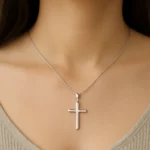
For daily wear, choose a petite cross pendant on a slender chain in silver or gold. This minimalist cross necklace complements both office attire and casual outfits without overwhelming the ensemble. For evenings or events, consider a larger cross with enamel or gemstone accents, or a two-tone design that catches light from different angles.
Casual chic: a small cross on a fine chain with a T-shirt, denim jacket, and sneakers creates a relaxed, stylish look.
Business-smart: a polished cross pendant in silver or gold on a mid-length chain can be paired with a blouse or blazer for a tasteful, professional silhouette.
Evening elegance: a larger cross with gemstone or enamel accents on a slightly thicker chain, worn with a little black dress or a jumpsuit, makes a refined statement.
Layered bohemian: combine several crosses of different sizes and finishes with a long, textured chain for a boho-luxe vibe.
Modern picks inspired by vintage cross necklace styles
If you adore the aura of cross jewelry vintage but want pieces that work seamlessly in today’s fashion ecosystem, there are several contemporary lines and styles to explore. Below are categories and design cues that honor the past while embracing modern wearability.
Minimalist crosses: Small, sleek crosses in sterling silver or 14K gold with clean lines suit everyday use and subtle color palettes. These pieces often pair well with a professional wardrobe or casual weekend outfits.
Gemstone-enriched crosses: Cross pendants set with cabochons or faceted stones like turquoise, onyx, ruby, or sapphire provide color pops and a contemporary edge without feeling overly ornate.
Enamel crosses: Bright enamel fills or two-tone enamel detailing can evoke Art Deco or mid-century motifs with updated materials and finishes.
Textured and hammered finishes: A cross pendant with hammered texture or brushed metal adds tactile interest and a modern, artisanal vibe.
Heritage-inspired engraved crosses: Modern pieces with engraving that nods to antique scrollwork or inscriptions allow a sense of history in a more affordable format.
Layer-friendly long chains: Long chains with mid-sized crosses are designed for layering, a mainstay of current styling that still honors vintage silhouettes.
Where to shop and how to choose a cross necklace vintage-seeking piece
Finding the right cross necklace vintage or vintage-inspired design involves knowing where to look and what to ask. Below are practical tips for shoppers seeking authenticity, quality, and value.
Reputable antique and vintage dealers: Look for shops with transparent return policies, clear photography, and detailed descriptions of metals, stones, and condition. A well-curated shop will often provide provenance or context for each piece.
Estate sales and auctions: These venues can yield authentic period pieces, sometimes with documented histories. Bring a magnifier and know typical hallmark locations to read marks accurately.
Online marketplaces with authentication options: Platforms that offer authenticity certificates or expert appraisal can reduce risk, but do your due diligence by cross-checking feedback and seller history.
Jewelry fairs and vintage-inspired designers: At fairs, you’ll encounter both genuine vintage pieces and high-quality reproductions. If you’re seeking a vintage-inspired cross necklace, you can find pieces crafted by contemporary designers who specialize in period-accurate silhouettes.
Authentication tips: Request clear photos of hallmarks, the clasp, the back of the pendant, and any inscriptions. If possible, seek longevity indicators like patina consistency, wear patterns, and metal ore traces, which can hint at genuine older manufacture.
When selecting a cross pendant, decide whether you want a piece with a strong sense of period authenticity or a modern cross necklace that channels vintage aesthetics. Both paths offer meaningful, stylish options, but the decision will influence price, care needs, and how easily the piece integrates with your current wardrobe.
Cross necklace vintage and cultural significance: a global view
The cross as a symbol transcends borders, and the popularity of the cross necklace vintage has spread across cultures with diverse interpretations. In some regions, crosses are deeply tied to religious rites and family heritage; in others, they are fashion statements or talismans that combine faith with personal identity. The way these pieces are designed—whether ornate with filigree, starkly geometric in Deco fashion, or warmly traditional—reflects local aesthetics and technical traditions.
Religious symbolism vs. fashion statements
In traditional contexts, the cross pendant often serves as a visible sign of faith, a reminder of spiritual beliefs, or a token of protection. Vintage pieces can carry devotional inscriptions or iconography that intensify their meaning for the wearer. In contemporary settings, the cross necklace can also function as a fashion object, chosen for shape, texture, or color rather than devotional purpose. For many lovers of nostalgic cross jewelry, it is precisely this dual meaning—sacred symbol plus stylish accessory—that makes vintage cross designs enduringly appealing.
Care and maintenance for longevity: keeping a cross necklace vintage radiant
A long-lived cross pendant vintage deserves thoughtful care. The way you store, clean, and wear it will influence how it ages and how many seasons you can enjoy its beauty.
Routine cleaning: Gentle cleaning maintains luster without risking delicate details. For gold and silver, use mild soap and a soft brush; for enamel, avoid abrasive cleaners that could dull color.
Protection from hazards: Put the cross necklace away during activities that could damage it—household chores involving harsh chemicals, swimming pools, or heavy workouts. Exposure to chlorine and saltwater can degrade metal finishes.
Periodic professional checks: Consider having a jeweler inspect the clasp, setting, and chain at least annually if the piece is valuable or has sentimental value. Periodic checks prevent loss and preserve structural integrity.
Frequently asked questions about cross necklace vintage
What makes a cross necklace antique vs vintage?
Generally speaking, antique items are older than 100 years, while vintage pieces typically range from 20 to 99 years old. The boundary between these categories can be blurry, especially for cross pendants produced during transitional design phases. If a cross pendant is from the 1920s–1930s, people often refer to it as vintage; a cross from the early 1800s might be labeled antique.
It depends on how strictly you define vintage. If a cross necklace is newly made but intentionally crafted to resemble a historical design, it is commonly marketed as “vintage-inspired” or “retro.” It is not technically vintage or antique, but it can offer the same aesthetic appeal with modern durability and price points.
How do you determine a fair price for a cross necklace vintage?
Pricing depends on era, material, craftsmanship, provenance, and condition. Genuine antique or vintage pieces with precious metals and gemstones typically command higher prices, especially if they have well-documented provenance or rare design features. Reproductions or pieces with lighter metal content and minimal wear may be priced much lower. If you’re unsure, seek a professional appraisal or compare with similar items in reputable dealers.
Conclusion: why the cross necklace vintage remains relevant
The enduring appeal of the Cross Necklace Vintage lies in its ability to bridge time. It offers a tangible link to the past—crafted by hands who shaped metal, wire, and stone into a pendant that carried meaning beyond mere adornment. Whether you are drawn to an authentic antique cross pendant with a storied lineage or a modern piece that captures the spirit of earlier decades, a well-chosen cross necklace can anchor your personal style with grace, symbolism, and a touch of history.
In the contemporary jewelry landscape, the cross necklace vintage serves as a bridge between eras. It invites wearers to reflect on craftsmanship, to appreciate the subtleties of patina and texture, and to tell their own stories through an accessory that has traveled through time. From the intricate filigree of a Victorian piece to the geometric bravura of Art Deco, to the earthy, bohemian textures of later decades, the cross pendant remains an enduring icon—proof that some styles truly stand the test of time.





Leave a Reply