In the world of Catholic devotion, sacred images and statues play a central role in guiding prayer, educating the faithful, and enriching liturgical spaces. These holy statues—from the serene figure of the Virgin Mary to the expressive reliefs of saints—serve as tangible windows into mystery, reminding believers of the people and events at the heart of the Christian story. This complete guide explores the many facets of Catholic sculpture: the various types of statuary used in churches and homes, the materials and craftsmanship behind them, the symbolic language they speak, and the best practices for care, placement, and use in worship. Whether you are a parish member, a collector, or someone exploring a personal devotional space, this guide offers practical insights to respect, preserve, and engage with sacred art through statues.
Catholic statues are a form of sacred art that complements sacred images, liturgical objects, and architectural spaces. They are not worshipped in themselves; rather, they are venerated as devotional aids that help the faithful contemplate the mysteries of the faith and imitate the virtues of the holy figures depicted. In Catholic theology, statues are honored in a way that differs from adoration due to God alone. This distinction—often explained through the concepts of dulia (reverence given to saints) and latria (worship given to God)—underpins how Catholics interact with religious statues and images in daily life and in church settings.
Throughout history, Catholic sculpture has evolved with artistic trends, regional styles, and liturgical needs. From medieval stone carvings to Baroque altarpieces and contemporary polychrome works, statues have served purposes such as instructing the faithful, beautifying churches, inspiring contemplation, and providing a focal point for processions and prayer. When encountering statues of saints, believers often respond with personal devotion—lighting candles, offering flowers, praying the rosary, or invoking the saint’s intercession. The role of Marian statues—depictions of the Blessed Virgin Mary—is particularly prominent in Catholic practice, where Mary is venerated as the Mother of God and a model of faith, compassion, and obedience.
Common Types of Sacred Statues
Marian Statues (Virgin Mary) and Our Lady Devotions
Images of the Blessed Virgin Mary appear in many forms and titles—Madonna and Child, Our Lady of All Nations, Our Lady of Guadalupe, Our Lady of Czestochowa, and many local favorites. Marian sculptures convey various attributes such as motherhood, mercy, purity, and intercession. Common poses include Mary holding the Infant Jesus, Mary standing with arms open in a gesture of welcome, or Mary shown crowned as Queen of Heaven. Marian statues often emphasize symbolism like halos, blue garments (traditionally associated with humility and heavenly grace), and lilies (purity). For homes and churches, a carefully chosen Marian statue can establish a devotional focal point for prayer, the rosary, and novenas.
Saint Statues: Models of Holiness
Statues of saints cover a wide spectrum—from apostles and martyrs to local patrons and modern figures. Each saint embodies particular virtues or roles (teachers, missionaries, healers, workers, parents, youth, etc.). When selecting saint statues, communities often consider the saint’s patronage, the parish’s history, and the devotional life of the people. Common examples include St. Joseph (patron of workers and families), St. Francis of Assisi (patron of ecology and simplicity), St. Therese of Lisieux (the Little Flower, cradle of the “little way” devotion), and St. Anthony of Padua (finder of lost items). Saint statues can be life-sized or smaller, and sometimes depict key life episodes in relief or along a narrative sequence to tell a saint’s story for catechetical or liturgical purposes.
Christ Figures: The Central Mystery
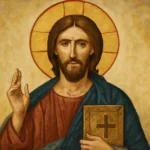
Images of Jesus Christ—whether as the infant Jesus (Child Jesus), the Suffering Servant, the Risen Lord, or the Good Shepherd—are central to Catholic iconography. The posture and arrangement convey theological truths: the Incarnation, redemption, and triumph over death. Christ statues may be shown in the Sacred Heart devotion, the Anointed One with a throne, or in scenes from the Passion. A Christ statue in a church or home sanctuary invites reverent meditation on the salvific mysteries of Christ’s life, death, and resurrection.
Crucifixes and Crosses: The Passion Revealed
It is essential to distinguish between a crucifix (a cross bearing the figure of Jesus) and a plain cross. In Catholic worship these forms have distinct roles: the crucifix underscores the Passion and the sacrifice of Christ, while crosses without corpus highlight the Resurrection and the eternal triumph of the Risen Lord. Many churches place crucifixes in prominent locations as a central focus of worship, while crosses may adorn processional routes, walls, and home altars. A well-crafted crucifix or cross is both an object of reverence and a visual catechism—reminding the faithful of the meaning of Christ’s love and redemption.
Angels and Archangels: Messengers and Ministers
Angels and archangels appear frequently in Catholic statuary, representing heavenly guardians, protectors, and messengers of God. Statues of angels often convey gentleness, service, and praise, while archangel depictions (such as Michael, Gabriel, and Raphael) symbolize courage, revelation, and healing. These statues can be placed in entrances for protection, in prayer corners to evoke heavenly aid, or within church sanctuaries to remind the faithful of the spiritual realm that surrounds them.
Biblical Scenes and Narrative Sculptures
Scenes from Scripture—Nativity, the Last Supper, the Resurrection, the Baptism of Jesus, or the Flight into Egypt—are frequently rendered as narrative sculptures in church programs and sacristies. These tableaux educate the faithful by offering a visual catechesis, especially for those who learn by seeing. Narrative statues can be configured as a single figure with multiple relief panels or as a small ensemble placed on altars or chapels to guide contemplation through a particular moment in salvation history.
Outdoor, Processional, and Garden Statues
In many parishes and private gardens, outdoor statues express devotion beyond the church building. Weather-resistant materials, protective finishes, and secure bases help these figures endure the elements. Garden statues might depict the Virgin Mary by a fountain, St. Francis with animals, or the Pieta as a serene garden vignette. Outdoor statuary often requires regular inspection for cracks, corrosion, and fading paint, followed by professional restoration or re-consecration after significant repairs.
Nativity Figures and the Holy Family
The Nativity scene—featuring Mary, Joseph, and the infant Jesus—has a special place in Catholic devotional life, especially during Advent and Christmas. Nativity statues can be life-sized for churches or intimate diorama pieces for homes. The Holy Family—Jesus, Mary, and Joseph—also appears in sacred art as a model of family life, humility, and trust in God. When arranging Nativity sets or Holy Family groups, many Christians emphasize settings that invite gentle prayer and a sense of divine presence in daily life.
Materials Used in Sacred Statues
Statues used in Catholic worship and devotion are crafted from a range of materials, each with unique aesthetic and preservation considerations. The choice of material influences not only appearance but also durability, maintenance, and care requirements. Here is an overview of common materials and their practical implications:
Stone (marble, limestone, sandstone): Stone statues are highly durable and convey a sense of timeless gravitas. Marble is prized for its translucence and fine veining, while limestone and sandstone offer a warmer, more rustic character. Stone requires skilled carving, careful sealing against moisture, and protection from acid rain and freeze-thaw cycles.
Wood (oak, chestnut, fruitwood): Wood has a warm, living presence and can be carved with high detail. It is susceptible to humidity changes, insects (woodworms), and warping. Finishes may include oils, waxes, or varnishes. Restoration of carved wood often involves stabilization, cleaning, and color matching.
Resin and Composite Materials: Modern statuary frequently uses resin blends and fiberglass for lightweight, durable figures. These materials can mimic stone or wood but may require UV protection and careful cleaning to avoid surface crazing or chalking over time.
Metal (bronze, brass, pewter, iron): Metal statues have a strong sense of permanence and are often used for outdoor or procession pieces. Bronze and brass can develop patinas that are valued for their character, but they require periodic maintenance to prevent corrosion and corrosion under coatings.
Plaster and Gypsum: Used in many ecclesiastical interiors for quick models or decorative reliefs. Plaster statues are delicate and vulnerable to moisture; they usually receive protective paints or seals to mitigate humidity damage.
Polychrome finishes: Painted sculptures, especially wooden or plaster pieces, showcase layered colors and gilding that bring out detail. Polychromy requires careful conservation to prevent paint loss and to stabilize colors against light exposure.
When selecting or commissioning sacred statues, churches and families often consider the intended setting (interior sanctuary vs. outdoor niche), the climate, and the desired stylistic approach (classic realism, Gothic revival, Baroque drama, or contemporary simplicity). Conservation awareness is essential, since improper handling or unsuitable finishes can compromise the sculpture’s integrity over time.
Iconography and Symbolism in Catholic Statues
Statues tell stories and convey theological truths through symbolism. A careful viewer can read layers of meaning in posture, gesture, attire, and attributes. Some recurring symbolic elements include:
Halos or nimbuses signaling sanctity.
Blue garments associated with Mary’s purity and heavenly grace.
Flowers such as lilies (purity), roses (divine love), and irises (faith).
Titles and attributes like a carpenter’s tool for St. Joseph, a lily for St. Mary Magdalene, or a book and a staff for apostles—each attribute helps identify the figure’s life and works.
Gestures such as open arms of welcome, hands raised in blessing, or child-like tenderness toward the infant Jesus.
Scenes with animals (e.g., St. Francis and birds) expressing particular virtues or legends associated with a saint.
Understanding iconography helps both clergy and lay faithful appreciate how a statue communicates within a particular devotional setting. In churches, catechetical programs often accompany statues with plaques or booklets that explain the figure’s identity, feast day, and invocation. In homes, families may choose statues that reflect their special patron or their particular spiritual focus, such as devotion to the Sacred Heart, the Immaculate Conception, or a community’s patron saint.
Care, Maintenance, and Cleaning of Catholic Statues
Proper care preserves the beauty and integrity of religious statues and ensures they continue to function as effective aids to devotion. Care depends on material, location, and exposure to elements. Below are practical guidelines for different scenarios.
General Principles
Handle statues with clean hands or wear cotton gloves to protect finishes and paint layers.
Dust regularly using a soft, dry microfiber cloth or a soft brush to avoid scratching delicate surfaces.
Avoid harsh chemical cleaners, abrasive sponges, or solvent-based products that can dissolve coatings or pigments.
Inspect for cracks, chips, or loose mounts, and address damage promptly with a qualified conservator or restorer, especially for valuable or historical pieces.
Maintain stable environmental conditions when possible: moderate humidity (generally 40–60%), stable temperature, and protection from direct sunlight to prevent fading and material fatigue.
Cleaning by Material
Stone statues: Dust gently with a soft brush; for stubborn dirt, use a barely damp sponge with distilled water, then pat dry. Do not use acidic cleaners. For marble, occasional professional polishing can restore luster and reduce micro-scratches.
Wooden statues: Dust with a soft cloth; avoid soaking with water. If wood has a finish, use a compatible wax or oil according to the wood type and finish. Test a small area first to ensure there is no staining or softening of the surface.
Resin or composite pieces: Wipe with a damp cloth; avoid solvents that can soften or discolor the resin. If paint is flaking, consult a conservator rather than attempting a DIY repainting.
Metal sculptures: For bronze or brass, use a soft cloth to remove dust; if tarnish appears, a professional conservator may apply a gentle wax or patina-safe cleaner. For iron or steel, check for rust and treat promptly with rust inhibitors or protective waxes designed for outdoor metalwork.
Plaster and gypsum: Dust carefully; keep away from moisture. If damaged, repairs should be done by professionals with appropriate plaster formulations and pigments matched to the original colors.
Special Considerations for Outdoor Statues
Outdoor garden statues must endure weather, pests, and UV exposure. Protective coatings, weatherproof finishes, and robust bases help preserve them. Regular inspections for cracking, fading paint, and corrosion are essential. In some climates, a yearly maintenance cycle that includes cleaning, resealing, and reapplication of protective coatings is prudent. When large outdoor figures are damaged, parish facilities or professional conservators should plan repairs that align with liturgical and aesthetic goals and with any local regulations about outdoor art.
Conservation and Restoration
Conservation involves careful assessment, documentation, and treatment to stabilize and restore. Professional conservators consider factors such as historical value, original materials, painterly layers, and the statue’s role in worship. Conservation should be approached with sensitivity and reverence, ensuring that interventions remain reversible where possible and that the statue’s character is preserved. For community-owned pieces, it is wise to establish a preservation plan, including routine condition assessments and a budget for preventive care and professional restoration when needed.
Placement, Use, and Worship with Catholic Statues
Where and how a statue is placed can significantly influence devotional life. Thoughtful placement aligns with liturgical roles, catechesis, and personal prayer. The following considerations help churches and households honor these sacred images correctly and reverently.
Sanctuary focal points: Statues placed in the sanctuary or along processional routes help members focus during Mass, adoration, or prayer services. A statue of Christ or the Virgin Mary may be featured on the main altar or a side altar, depending on liturgical norms and architectural design.
Niches and shrines: Niche displays or devoted shrines provide intimate spaces for prayer. A well-lit niche with appropriate color and architectural framing can create a sense of reverence and belonging within the church or home.
Home altars and prayer corners: For private devotion, a small, stable surface with a statue, a crucifix, candles, and a rosary can help establish a sacred microcosm within everyday life. Care should be taken to create a peaceful atmosphere free from clutter and distraction.
Processions and feast days: Large outdoor or interior statues may be moved during processions in feast days or parish celebrations. Proper support, safety precautions, and barriers help protect participants and the sculpture during ceremonial events.
Visibility and accessibility: Statues should be placed where people can see and contemplate them without obstructing movement or obstructing access to sacred spaces, especially for those with mobility concerns.
Lighting and Aesthetic Considerations
Lighting is a practical and spiritual consideration. Soft, reverent lighting can highlight the statue’s face and gesture, while avoiding glare that would hamper contemplation. Many churches use indirect lighting to create a contemplative atmosphere around key statues or shrines. For home devotion, a dedicated lamp or candle lighting can create a sense of reverence and rhythm in daily prayer.
Blessing, Consecration, and Catholic Practice
Statues in Catholic life are typically blessed by a priest before being placed in sacred spaces or offered to a family. Blessings are not a form of worship; they are solemn blessings that dedicate the statue to God and ask for the saint’s intercession. In some cases, a statue may be blessed or consecrated as part of a parish’s liturgical rites, especially when newly acquired or restored. Families may also arrange for a private blessing with their pastor for personal devotion. It is essential to approach these rites with reverence and to understand their place within Catholic sacramental life.
Historical Development of Catholic Statues
The creation of Catholic statuary has deep roots in early Christian art, with a long evolution through medieval, Baroque, and modern periods. Early Christian catacombs sometimes featured symbolic reliefs and figural imagery used for catechesis in congregations that endured secret worship under persecution. As Christianity became the established religion of Europe, sculpture became more elaborated, often integrated into church architecture, with the Gothic and Romanesque periods offering monumental stone sculpture and intricate altarpieces.
During the Baroque era, Catholic sculpture gained dramatic movement and emotional intensity, designed to educate and move the viewer to piety through dynamic composition, gold leaf, and strong contrasts of light and shadow. The subsequent ages saw various revivals and reform movements—some favoring more restrained Classicism, others embracing national and regional styles. In modern times, Catholic art often blends traditional iconography with contemporary materials and sensibilities, making sacred statues accessible in parish churches, schools, and private homes while preserving the sacred character of the figures they depict.
Practical Guidelines for Collectors, Parishes, and Institutions
Whether you are curating a parish collection, restoring a church interior, or building a private devotional space, these practical guidelines help maintain the dignity and integrity of sacred statues while ensuring safety and accessibility.
Documentation: Keep records of each statue’s provenance, material, date of creation or acquisition, and any restoration history. Documentation helps with conservation planning and appropriate liturgical placement.
Assessment: Have a professional conservator assess fragile or valuable pieces, especially if there are cracks, paint loss, or corrosion. A timely assessment can prevent further damage and preserve the statue’s historical value.
Security: Protect statues in public spaces from vandalism or accidental damage, particularly in outdoor locations. Use secure bases, protective glazing if necessary, and appropriate signage that respects reverence for sacred images.
Accessibility: Ensure that statues are accessible to people with disabilities, including considerations for height, reach, and safe movement around the statue for prayer and veneration.
Education: Provide context through captions, booklets, or short talks that explain the statue’s identity, feast day, and devotional significance. This enhances the educational role of sacred art in parish life.
Ethical Considerations and Respectful Representation
As stewards of sacred art, churches and families bear responsibilities to represent holy figures with dignity and accuracy. This involves:
Historically informed choices: Respect regional iconography and the saint’s customary attributes, avoiding anachronistic or inaccurate depictions that may confuse the faithful.
Cultural sensitivity: When commissioning statues that reflect local cultures or diaspora communities, collaborate with skilled artisans who understand Catholic iconography and the faithful’s lived faith expression. The aim is to honor both religious tradition and local vitality.
Proportion and reverence: Avoid sensationalism or overly dramatic portrayals when they compromise the statue’s sacred character. The statue’s purpose is to invite prayer, not shock or spectacle.
Conservation ethics: Respect the object’s integrity. Restoration should preserve the original material and appearance as much as possible, with documentation of any changes and decisions made.
Creating a Sacred Space with Statues at Home
For many families, a home altar or prayer corner with sacred images is a meaningful part of daily life. When planning a personal shrine, consider both aesthetics and spiritual practice. Here are practical steps:
Choose a focal statue: Consider Marian, Saint, or Christ-centered figures that reflect your spiritual goals, patronage, or family devotion.
Define the space: Select a quiet corner or small cabinet with a stable surface, appropriate lighting, and space for candles or prayer aids.
Prepare the environment: Use soft lighting, a simple backdrop, and minimal clutter to encourage contemplation. A background with neutral colors often helps the statue stand out and invites focus.
Balance with other devotional items: A crucifix, rosaries, icons or devotional cards, and a small Bible or Missal can augment the devotional atmosphere, but avoid overcrowding the space.
Maintenance plan: Regularly dust, inspect for damage, and refresh candles or flowers as part of a gentle routine that honors the sacred image.
When selecting home statues, consider the size relative to the room, the statue’s weight and stability, and whether it is intended for daily use or seasonal display. A well-placed statue as a devotional aid can become a source of quiet grace, especially during morning or evening prayer times.
Lighting, Display, and Aesthetic Integration
Lighting and display are important for the statue’s impact. Thoughtful lighting can reveal facial expressions, gesture, and drapery, helping to evoke reverence and contemplation. In churches, light is often used symbolically to signify divine presence, with candles, lamps, and hidden LEDs enhancing the sculpture’s glow without overpowering it. In homes, consider a small adjustable lamp or a candle-based display that fosters a prayerful ambiance while preserving the statue’s safety and longevity.
Conclusion: Embracing Catholic Statues as Sacred Art
Statues hold a cherished place in Catholic life as concrete reminders of the communion of saints, the Incarnation, and the ongoing encounter with the divine in daily life. Whether encountered in a grand cathedral, a parish church, or a private home, these religious statues invite prayer, reflection, and a sense of belonging to the broader story of faith. By understanding the different types of sacred figures, appreciating the materials and craftsmanship, honoring iconography and symbolism, and implementing thoughtful care and respectful display, the faithful can preserve these works of sacred art for generations to come. This comprehensive guide aims to support communities and individuals in cultivating spaces that honor God, inspire virtue, and invite people to draw nearer to the divine through the beauty and meaning of Catholic statuary.