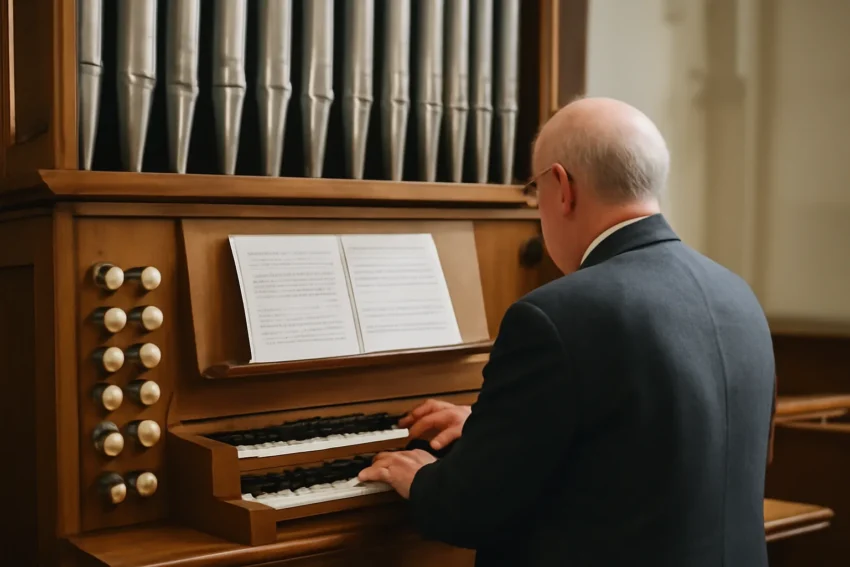
Welcome to a complete exploration of the role of the church organist—often described as the heart of liturgical music in many congregations. Whether you are just starting as a parish organist, an experienced organist-in-residence, or someone who serves as a congregational organist in a small church, this guide covers the essential skills, repertoire, practice strategies, and professional considerations that help you lead worship with musical clarity, spiritual sensitivity, and technical confidence.
A church organist is more than a keyboard player who sits at an instrument on Sundays. This role combines artistry, service leadership, and practical musicianship. Typical responsibilities include:
Accompaniment of congregational hymns, psalms, and liturgical responses with accurate tempo, balance, and phrasing.
Support for choirs and ensembles, often serving as the primary continuo or accompaniment partner for choral settings.
Musical planning for worship services, seasons, and special occasions, coordinating with clergy, music directors, and other musicians.
Repertoire management—selecting pieces that fit the liturgy, the venue, and the abilities of the players and singers.
Improvisation and transposition when needed to fit hymnody or liturgical nuances.
Instrument maintenance and sound considerations, including registration choices, pedal technique, and, in some contexts, basic upkeep of the organ or electronic instrument.
Across denominations and church architectural styles, the organist may work solo, alongside a small team, or as part of a larger music department. The title itself—whether “organist,” “parish organist,” “liturgical organist,” “congregational organist,” or “organist-in-residence”—reflects the same core mission: to facilitate worship through music that uplifts, clarifies text, and supports the liturgical structure.
Historical Overview of the Church Organist Role
Understanding the historical context helps illuminate why the organist’s duties have evolved. In Western church history, the organ has long served as a prominent instrument in liturgy, prized for its sonority, sustain, and dynamic control. Early organists assisted choirs and led congregational singing, often in collaboration with trained singers and clerics. Over the centuries, the role expanded to include:
Ornamental and improvisational duties during processions and postludes.
Registration artistry—the art of selecting stops, combinations, and registrations to color worship and adapt to room acoustics.
Educational responsibilities—teaching hymns, assisting in music education for the church community, and mentoring younger musicians.
Administrative tasks—repertoire planning, choir coordination, and coordination with worship teams.
Modern practice often blends traditional expectations with contemporary duties. In many congregations, the organist contributes to sound reinforcement decisions, records of worship, and even online or livestreamed services. Regardless of the era, the core aim remains the same: to support worship through purposeful, expressive, and reliable music-making.
Getting Started: Skills and Training
Becoming an effective organist in a church setting requires a blend of technical skill, liturgical understanding, and collaborative spirit. Below are the foundational areas to develop, along with practical steps you can take.
The Basics: Keyboard Technique and Pedal Proficiency
Two-manual or three-manual technique—familiarity with the physical layouts of the organ, including manual keyboard coordination and pedalboard clarity.
Finger independence and legato pedaling—smooth legato lines on manuals and precise pedal lines for bass support.
Registration literacy—knowing common stop registrations and how to change them between hymns, preludes, and postludes.
Harmonic awareness—recognizing chord progressions, cadences, and modulations that occur in liturgical music.
Reading and Repertoire Knowledge
Shape-note and standard hymnody—being comfortable with common hymn tunes and the ability to harmonize and accompany.
Liturgical structure—knowing how a typical service unfolds (processional, opening hymn, scripture reading, prayers, communion, closing hymn) and how to pace organ music accordingly.
Transposition—being able to transpose tunes for choir convenience or organ comfort when needed.
Music literacy beyond the organ—basic familiarity with choral scores and orchestral accompaniments helps when coordinating with other musicians.
Ear Training and Musical Sensibility
Aural skills—identify key centers, tonality shifts, and modal flavors common in sacred music.
Awareness of text and music alignment—adjusting dynamics and articulation to reflect the meaning of scripture or liturgical text.
Tempo flexibility—comfort with flexible tempos during hymns, especially when congregational participation is crucial.
Formal study—college or conservatory programs in organ performance or church music can provide a structured path for organists seeking professional roles.
Certificates and credentials—some regions offer church music credentials or organist certifications that recognize proficiency in liturgical repertoire and service playing.
Private instruction—one-on-one coaching with experienced organists helps accelerate technique and registration understanding.
Community and mentorship—joining a local organ circle or church music association can provide feedback and networking opportunities.
Practice and Technique: Building a Reliable Routine
A disciplined practice routine is essential for any church organist who wishes to lead worship with confidence. The following framework can be adapted to your schedule and instrument.
Warm-up (10–15 minutes): scales, arpeggios, and simple to moderately difficult pieces to loosen fingers and establish sound across registers.
Technique work (15–20 minutes): focused studies on difficult passages, pedal technique, and coordination between hands and feet.
Registration practice (15–20 minutes): experiment with different stop combinations, dynamics, and registrational color to match liturgical needs.
Repertoire rehearsal (30–60 minutes): practice preludes, voluntaries, hymns, and contemporary settings typically used in services.
Service run-through (as needed): simulate a typical service with hymn numbers, call-and-response cues, and transitions between pieces.
In addition to daily practice, plan longer blocks before significant services or seasons (Advent, Christmas, Lent, Holy Week, Easter). Allow time for spontaneous playing when required, as many churches appreciate gentle improvisation or a thoughtfully prepared voluntaries to fill brief moments of quiet in a service.
Repertoire and Programming: What to Play and Why
Repertoire for the church organist spans a wide spectrum—from the simplest hymn accompaniments to richly textured organ voluntaries, postludes, and choral accompaniments. The goal is to serve the liturgy, support congregational singing, and create appropriate musical atmosphere for a given moment in the service or season.
Liturgical Seasons and Seasonal Programming
Advent and Christmas repertoire often features brighter registrations, reflective preludes, and hymn accompaniments that emphasize anticipation and joy.
Lent and Holy Week programming leans toward contemplative, restrained textures, with potential for solemn preludes and meditative settings.
Pentecost and ordinary Sundays invite bright, hopeful colors and clear hymn accompaniment that supports congregational singing.
Feasts and saints’ days—special pieces can highlight particular liturgical meanings or the character of the saint being celebrated.
Service Pieces: Hymn Accompaniment and Congregational Leading
Hymn accompaniments—balanced touch, steady tempo, clear articulation of text, and appropriate dynamics to enable singing.
Introits and recessional postludes—short, well-scored pieces that frame the service and leave space for transition.
Communion music—reflective, subdued textures that do not overpower individual prayers or meditations.
Voluntaries, Preludes, and Postludes
Voluntaries—often used to set a mood as the congregation assembles or exits.
Preludes—provide a musical doorway into the service; may introduce a theme or establish a liturgical mood.
Postludes—a concluding statement that resonates in the space after worship ends; can be triumphant, lyrical, or contemplative as appropriate.
Anthems, Chorale Settings, and Instrumental Contributions
Choral accompaniments—organist may support a choir with continuo lines, harmonic support, and dynamic shaping.
Anthems and choral works—this repertoire requires coordination with the choir and conductor, often with rehearsal and score study outside of service times.
Instrumental interludes—occasional instrumental pieces or organ-and-strings/woodwind arrangements can enrich festive services.
Improvisation and Arranging
Improvisation—a venerable skill in many church traditions, enabling you to craft a fluid accompaniment, fill missing sections, or tailor music to a specific moment in the service.
Arranging—adaptation of existing works to fit organ resources, registration constraints, and the church’s musical taste.
Transposition—translating tunes to keys that fit the singers or choir, especially when the organist needs to work with choir members’ range.
Organ Stops, Registration, and Instrumentation
A core area of expertise for any church organist is understanding the instrument itself and how to use it to achieve the desired musical textures.
Manuals, Pedals, and Stop Lists
Manuals—the keyboard(s) of the organ; most church organs provide at least two manuals, with some offering three or more. Each manual can be assigned for different musical lines (e.g., melody on I, accompaniment on II).
Pedalboard—the foot keyboard, essential for bass lines and grounding accompaniments. Pedal technique is crucial for robust hymn playing and for support of organ literature in liturgical settings.
Stops and combinations—a vocabulary of organ stops (e.g., Principals, Flutes, Mixtures, Reeds) to shape tone colors. Registration design involves selecting stops for the piece and the space, balancing legato lines with articulation and dynamic contrast.
Hymn registration—clear, bright principal stops with supportive flue organ stop combinations to accompany congregational singing.
Introit or voluntaries—contrastive colors: for example, a bright mixture or reed on the principal manual with a gentle flute on the swell for color.
Accompaniment for choir—balanced registration that allows the choir to be clearly heard, with careful use of dynamics and articulation to support text.
Practical Guidance for Registrations
Know your instrument—every organ is different; learn the particular acoustics, stop lists, and the ergonomics of the console.
Plan registrations in advance—for repeat services or seasonal templates, create registration notes or a quick reference card for your team.
Safety and consistency—avoid sudden, drastic changes in registration during a hymn; maintain musical intent and readability.
Collaboration and Leadership: Working with Choirs and Musicians
The church organist often acts as a leader within the music ministry, coordinating with directors, clergy, and other instrumentalists. Strong collaboration improves worship and fosters a healthy musical culture in the congregation.
With the Choir Director and Vocalists
Score study and planning—study choral scores in advance, understand the choir’s ranges, and anticipate where the organ can support or substitute for voices.
Rehearsal discipline—set clear rehearsal goals, use consistent cues, and respect the choir’s preparation time.
Communication—maintain open channels for feedback about tempo, rubato, phrasing, and dynamic shapes.
With Clergy and Worship Staff
Liturgy alignment—work to align musical choices with the liturgical calendar and the pastor’s or rector’s vision for worship.
Service planning—participate in pre-service planning meetings to coordinate order of service, readings, and musical transitions.
Technical coordination—coordinate with sound technicians for live sound reinforcement, organ mic placement, and stereo balance if applicable.
Service Planning and Music Preparation
Comprehensive planning reduces performance anxiety and ensures the weekly worship experience unfolds smoothly. The following strategies help organize a church music program effectively.
Seasonal Planning and Repertoire Lists
Seasonal calendars—prepare a calendar that marks Advent, Christmas, Lent, Holy Week, Easter, and ordinary Sundays with proposed repertoire for each.
Hymn and anthem selection—build a library of hymn tunes and choir-chosen anthems appropriate to the congregation’s musical preferences and literacy.
Ritual and liturgy alignment—ensure all musical selections serve the liturgical action and textual meaning.
Pre-Service Preparation
Run-throughs—schedule pre-service rehearsals or brief run-throughs to check tempo, dynamics, and transitions.
Sound checks—if using electronic amplification, test microphones and balance with the organ’s natural acoustics.
Communication—send planned hymns, choir pieces, and any improvisatory plans to staff and volunteers to avoid confusion during the service.
During the Service
Conductor’s cues—provide predictable cues with registrations and dynamics to guide singers and instrumentalists.
Textual fidelity—singing and organ textures should clarify the text, with careful articulation of vowels and consonants to assist congregational comprehension.
Flexibility—be prepared to adjust tempo, dynamics, or registrations in response to space acoustics, congregational participation, or clergy direction.
Maintenance, Care, and Instrument Safety
Even a well-planned program needs a reliable instrument and a safe environment. Caring for the organ and the worship space ensures consistency in worship leadership.
Instrument Care and Environment
Humidity and temperature control—pipes, leather, and wooden components respond to environmental changes; maintain stable conditions when possible.
Cleanliness and interior wellbeing—dusting, occasional professional inspection, and care to prevent moisture buildup and clogging of wind paths.
Electrical safety and amplification—proper cable management, surge protection, and safe placement of any microphones and amplifiers.
Maintenance Responsibilities for the Organist
Keyboard care—clean hands, watch for sticking keys, and report anomalies to the maintenance team promptly.
Registration notes—keep a record of preferred registrations for typical service templates and for quick reference during services.
Professional inspections—coordinate with organ technicians for periodic checks of wind systems, action, and tuning as required.
Career Paths and Professional Development
For many musicians, the role of the church organist is both a vocation and a calling. The path varies widely by community, denomination, and geography. Here are common routes, along with practical advice for growth and sustainability.
Part-time and volunteer roles—often found in smaller parishes, where the organist balances other professional duties with worship responsibilities.
Full-time church musician positions—include responsibilities across leadership of the music program, choir direction, and liturgical planning in larger congregations.
Education and credentialing—formal degrees in organ performance, sacred music, or church music, along with relevant certifications when available.
Community college and conservatory pathways—offer foundational training in organ technique, pedagogy, and liturgical studies that can be applied to church settings.
Professional Skills Beyond Playing
Communication—clear and respectful communication with clergy, choir directors, technicians, and congregation members.
Leadership—the ability to guide rehearsals, set musical priorities, and foster a collaborative worship atmosphere.
Administration—repertoire cataloging, scheduling, music budgeting, and collaboration with other ministries.
Adaptability and resilience—comfort with last-minute changes, varying skill levels among volunteers, and diverse musical tastes.
Resources, Repertoire Databases, and Learning Avenues
Building a robust library of music and a network of mentors can significantly enrich a church organist’s practice and performance.
Books and Core Repertoire
Organ literature for the church organist—collections of hymn accompaniments, service music, and liturgical settings.
Hymnary resources—indexed hymn tunes, harmonizations, and regional variations that help in adaptable accompanying.
Liturgical planning guides—books or manuals that outline typical worship structures and suggested music selections.
Digital Resources and Repertoire Platforms
Public-domain scores—digital libraries offer a wealth of hymns, preludes, and organ works suitable for services.
Organ registration databases—systems or community forums where organists share registration ideas for specific pieces and venues.
Video and audio tutorials—instructional content focused on technique, registration, and ensemble playing within church contexts.
Communities and Networks
Local and national church music associations—provide concerts, masterclasses, and professional networking opportunities.
Mentorship programs—pair aspiring organists with experienced mentors for guidance on repertoire, service planning, and instrument care.
Collaborative ensembles—opportunities to work with choirs, brass ensembles, or chamber groups that perform in worship settings.
Common Challenges and How to Overcome Them
No role as a church organist is without its challenges. The following common issues and practical strategies can help you navigate them gracefully.
Limited rehearsal time—prioritize essential hymns and organ settings; prepare a small but reliable registry for each service.
Acoustic variability—spend time learning the instrument in different spaces, adjust registrations to suit room acoustics, and consider portable solutions when needed.
Volunteer coordination—establish clear expectations, rehearsal schedules, and feedback channels to maintain musical quality without micromanagement.
Balancing tradition with innovation—respect the congregation’s musical heritage while gently introducing fresh repertoire and registrations that align with liturgy.
Soloistic and ensemble tension—communicate openly about roles, ensure inclusive rehearsal practices, and build trust among singers and instrumentalists.
Best Practices: A Practical Checklist for Every Week
Use this concise checklist to stay organized and effective as a church organist, regardless of the size of your parish or the complexity of your instrument.
Plan the service music at least a week in advance, with hymn numbers, choir items, and any instrumental pieces clearly noted.
Confirm the registrations in advance, including any changes for the space, choir, or liturgical moment.
Schedule a quick run-through with any participating musicians before the service if possible.
Check the instrument and space for humidity, temperature, and any accessibility issues that could affect performance.
Prepare scores and notes—bring clean copies of scores, a note for the choir, and a concise registration plan.
Be adaptable—have a backup plan for hymns or choral items in case of last-minute changes.
Conclusion: The Purpose and Promise of the Church Organist
In every tradition, the church organist plays a sacred and practical role: to lead the congregation in meaningful musical worship, to partner with choirs and clergy, and to nurture a living, breathing musical culture within the church community. The craft requires technical skill, liturgical sensitivity, and a generous spirit of collaboration. By developing core abilities in keyboard technique, pedal work, registration, and a deep understanding of liturgical structure, an organist can sustain a high standard of musical leadership that enhances worship, supports the text, and invites the faithful into a more profound encounter with the sacred through sound.
Whether you are a budding organist, a seasoned parish musician, or an organist-in-residence in a cathedral-like space, this guide aims to equip you with practical knowledge, repertoire insight, and strategies for ongoing growth. The role is demanding, but it is also deeply rewarding—an ongoing vocation that blends artistry, service, and community in a way few other musical careers can match.