Catholic Church Incense Burner: Buyer's Guide & Care Tips
Catholic Church Incense Burner: Buyer's Guide & Care Tips
In Catholic worship, incense is a powerful sign and instrument of prayer, reverence, and the sacred mystery. A Catholic church incense burner—also called a censer or thurible in traditional terms—serves as the vessel that holds burning charcoal and fragrant resin to release rising smoke during liturgy, processions, and various rites. Whether you are decorating a parish sanctuary, outfitting a chapel, or strengthening a personal liturgical space, understanding the options, care requirements, and best practices for selecting an incense burner can help you honor the sacred function of this venerable liturgical tool. This buyer’s guide and care manual will cover the essential features, design varieties, materials, buying tips, and maintenance routines that ensure your incense burner not only looks appropriate in a sacred setting but also functions reliably for years to come.
At its core, a Catholic church censer is a small metal vessel designed to hold burning charcoal and incense resin so that fragrant smoke rises as prayers ascend to heaven. In Catholic usage, the term thurible is often reserved for the ceremonial censer on a chain designed to be carried by a deacon or priest during processions and liturgical actions. The incense burner is more than a utilitarian container; it is a sacred vessel that is blessed or consecrated in many places and treated with special reverence. When used correctly, the censer becomes a visible, tangible sign of the Church’s worship—an outward expression of an inward reality: the prayers of the faithful rising with the smoke before God.
Two essential elements form the heart of most Catholic censer setups: incense resin and charcoal. The resin—often natural frankincense, myrrh, or their blends—produces a fragrance that is both symbolic and spiritually meaningful, while the charcoal provides a steady heat source that keeps the incense smoldering without quickly burning out. The fire safety and fumigation management of the censer are critical, as hot charcoal and aromatic oils can pose risks if left unattended or used improperly. A well-made Catholic incense burner is designed to minimize hazard while maximizing visual beauty, soundly supporting the solemnity of the rite.
Incense burners for Catholic ceremonies come in several distinct forms and configurations, each with a practical purpose and an aesthetic that suits different liturgical settings. As you explore options, you will encounter terms like thurode (archaic) and the more common censer or thurible. The overarching goal is to choose a device that aligns with the liturgical season, the church’s architectural style, and the particular rites you intend to perform—whether a grand cathedral procession or a modest parish Mass.
Types and designs of incense burners
Incense burners for Catholic worship are available in a range of designs, materials, and sizes. The design you select will influence how incense is lit, how smoke is released, and how the device feels in use during processions or at the altar. Here are the most common forms you will encounter, along with the situations in which they are typically employed.
Censers on chain (the traditional thurible)
The thurible on chain is the classic form that most readers associate with Catholic liturgy. It typically consists of a hollow, perforated metal chamber (the censer body) suspended by one or two sturdy chains from a handle. A lid with holes or a lattice design allows smoke to escape while keeping the burning charcoal and incense securely inside. The chains are long enough to allow the priest or deacon to swing or wave the censer during a procession, while providing adequate balance for controlled movements.
Operation: A lit charcoal disk is placed inside the censer, along with a measured amount of resin. The lid is closed, and incense begins to smolder, releasing fragrant smoke.
Processional use: The censer is moved along in a ceremonial arc, often accompanied by bells at significant moments. The long chains help maintain a safe distance from the congregation.
Aesthetic: Chain thuribles can range from simple, rustic designs to highly ornate pieces with inlays, engravings, and religious symbols. They are particularly well-suited for large churches or cathedrals where the smoke performance is part of the visual spectacle.
When choosing a chain censer, consider the chain length (measured in inches or centimeters), the balance of the censer, and the ease with which it can be opened to add incense and relight or replenish charcoal. A well-balanced censer will feel comfortable in the hand and swing with a controlled, measured motion rather than a heavy or awkward tug.
Fixed-chain or hanging censers
In some churches, certain censers are designed to be mounted on a post or a fixed chain in the sanctuary. These are especially common in sanctuaries where a processional path is established or where a stationary use is desired during Mass. A fixed censer may be easier to operate for a single celebrant and can reduce the risk of accidental contact with the flames during sacrosanct moments.
Stased or wall-mounted: The censer is secured to a stand or wall bracket, allowing hands-free operation for specific liturgical actions.
Processional considerations: Fixed or hanging designs should still allow for safe swinging during processions if required, but many such censers are primarily intended for altar or sanctuary use rather than parading around the nave.
Boat censer and tabletop options
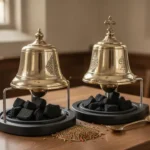
While the traditional hanging thurible is widely recognized, there are boat censers and tabletop censer options intended for more intimate or home-chapel settings. A boat censer typically features a small vessel with a perforated lid that sits within a larger holder or stand. The idea is to contain the burning incense safely while still allowing the fragrance to rise into the surrounding air. Tabletop or altar-top censers are often used for private devotion or for smaller community chapels where a full processional censer would be impractical.
Tabletop design: Small, stable bases with straightforward lids for quick setup. They may be lighter in weight and easier to manage in personal devotional spaces.
Tabletop aesthetics: The design may emphasize relief patterns, religious symbols, or minimalism to blend with a modest altar setting.
Regardless of the form, remember that liturgical incense burners are sacred objects, and their use should be guided by the norms of the local diocese and the parish’s liturgical director. The selection of form should reflect how the device will be used most often—processions or altar service—and fit the overall architectural identity of the worship space.
Materials and finishes
The durability, weight, and devotional tone of an incense burner are heavily influenced by its materials and finish. Catholic censer design has historically favored metals that combine durability with ceremonial elegance. Today, manufacturers offer a range of materials and finishes, each with distinct advantages and care requirements. Here are the most common options you will encounter.
Brass and bronze: The traditional metal choices for censers. Brass is lighter and easier to polish, while bronze has a warmer patina and can be more durable in heavy-use environments. Both metals age gracefully, acquiring a venerable character with time.
Silver and silver-plated: Silver censer bodies provide a bright, reflective surface that enhances the ceremonial feel of the liturgy. Silver can be more susceptible to tarnish and requires regular care; silver-plated options offer a more affordable alternative with a similar look.
Gold plating or gilded finishes: For high ceremonial use, gold plating conveys special significance and beauty. The plating should be durable enough to withstand frequent handling and cleaning.
Nickel and stainless steel: Modern censer builds may use nickel or stainless steel for durability and resistance to corrosion. These options are practical in busy parishes and are often less prone to tarnish than traditional brass or bronze.
Wood and mixed materials: While less common for the censer body itself, some components like stands, bases, or boat housings incorporate wood or mixed materials to harmonize with wood altars or paneled chapels. Wooden elements should be treated to resist heat and humidity.
When evaluating finishes, consider how the burner will age with use, how easy it is to clean without damaging delicate engravings, and how the color and texture will complement the sanctuary’s overall aesthetic. In many churches, the ecclesiastical aesthetic calls for tarnish to be minimized, so protective coatings or professional cleaning schedules may be recommended.
Choosing the right incense burner: a buyer’s guide
Selecting a censer or thurible for a Catholic setting requires balancing liturgical function, aesthetics, and practicality. Here is a structured guide to help you choose the best option for your church, chapel, or personal altar. The goal is to find a catholic incense burner that supports reverent worship, is safe to use, and remains a long-lasting asset for the community.
Assess the intended use: Will you need a censer for processions, for altar use during Mass, or for a small chapel’s daily prayers? Processional censers tend to be larger, heavier, and on longer chains, designed for dynamic movement.
Determine the size and weight: Measure the space where the censer will be stored and used. For large cathedrals, a substantial censer with a generous capacity for incense and charcoal may be appropriate. For smaller spaces, a compact boat censer or a tabletop model might be a better fit.
Evaluate chain length and balance: A well-balanced censer with an appropriate chain length allows for controlled swinging. If the censer tends to pull or feel top-heavy, it may require adjustment or a different model.
Inspect construction quality: Check the hinges, lid closure, perforations, and chain links. In particular, ensure there are no sharp edges that could injure the user, and verify that the lid closes securely to contain hot charcoal.
Consider maintenance demands: Some metals require routine polishing or specific cleaners to maintain their appearance. If you have limited staff or budget for conservation, you may prefer durable metals with low-maintenance finishes.
Check for blessing or consecration guidance: In many dioceses, sacred vessels such as censers may be blessed or consecrated. Confirm with the parish priest, liturgy director, or diocesan guidelines whether a new censer should receive a particular blessing before first use.
Budget and lifecycle: A well-made censer is an investment. Consider not only the initial cost but also long-term maintenance, replacement parts (lids, chains, charcoal holders), and potential refurbishing or re-plating costs over time.
Vendor reputation and warranties: Buy from reputable ecclesiastical suppliers who understand liturgical requirements and safety standards. Look for returns, warranties, and documented service histories for the product.
Customization options: Some orders offer engravings, symbols, or inscriptions. If the censer will bear a particular motto or devotion, confirm customization options and lead times with the craftsman or supplier.
Storage and accessories: Consider a protective storage bag, a dedicated altar case, or a stand for safe display when not in use. Some sets include a charcoal tongs, a small scoop for incense, and a spare lid, which can be convenient for ongoing use.
When choosing a liturgical incense burner, it’s helpful to align the selection with the church’s architectural style, liturgical practices, and the expectations of diocesan liturgy officials. A censer that harmonizes with the sanctuary’s color palette, metalwork, and iconography can help create a cohesive worship environment while preserving the dignity of the rite.
Incense compatibility and types
The choice of incense—and how it interacts with your incense burner—affects the quality of aroma, the burn time, and the cleanliness of the device. Resin incenses are most commonly used in Catholic worship and come in various blends that offer different fragrances and burn characteristics. Here is a concise guide to what you should know about incense compatibility and best practices.
Fragrance profile: Frankincense and myrrh are the classic Catholic combination, offering a resinous, slightly citrusy or balsamic aroma that many find fitting for sacred spaces. Some blends mingle sandalwood, rose, or other natural notes for seasonal liturgies.
Particle size and composition: High-quality resins are typically clean-burning with consistent resin grains. Avoid resins with excessive fillers or artificial fragrances, which can produce harsh smoke or leave residue in the censer.
Compatibility with charcoal: The type of charcoal used (slow-burning, natural coal discs, or quick-light discs) interacts with resin burning times. Some censer designs are optimized for slow-burning charcoal, which maintains steady heat for longer sessions without frequent tending.
Burn technique: Place a small amount of resin on hot charcoal to start a gentle release of fragrance. Add more resin gradually as needed, rather than loading the censer to capacity in a single step, which can extinguish the heat or cause excessive smoke.
Cleanliness: After each use, allow the censer to cool and clean out ash and residue. This helps prevent old resin buildup from tainting future incense batches and keeps the perforations from clogging.
Storage of incense: Keep resin in a sealed container away from humidity. Proper storage maintains fragrance integrity and prevents clumping, which can hinder even burning.
Understanding the relationship between incense resin, charcoal, and the censer’s design will help you achieve the desired aromatic effect and ensure safe and dignified liturgical use. It is also wise to coordinate with the parish’s liturgy committee or a diocesan liturgical consultant to select resins that are appropriate for the seasons and solemnities observed in your church.
Care and maintenance
Proper care and routine maintenance ensure your Catholic incense burner remains safe, functional, and aesthetically faithful for decades. The care guidelines below cover cleaning, polishing, storage, and safety steps that respect the censer as a sacred object as well as a practical tool for worship.
Cleaning after use
After each liturgical use, follow these steps to keep the censer clean and ready for the next ceremony:
Cool down safely: Allow the censer to cool completely before handling. Handle with care to avoid burns and to preserve delicate engravings.
Remove ash and residue: Empty ash and spent incense from the censer. Use appropriate tools (tongs or a small scoop) to avoid direct contact with hot surfaces.
Rinse or wipe: If the censer is water-resistant, wipe with a soft, damp cloth to remove oily residues. Avoid soaking if the censer has wooden components or delicate inlays.
Dry thoroughly: Ensure all parts are completely dry before reassembling or storing to prevent corrosion or tarnish.
Polishing and metal care
Different metals require distinct care routines to preserve their luster and prevent damage:
Brass or bronze: Use a mild brass cleaner or a solution of warm water with a touch of mild soap. Gently rub with a soft cloth, rinse, and dry. For tarnish, a specialized brass polish can be used sparingly; do not polish engravings too aggressively, as this can wear away detail.
Silver: Silver censer may tarnish over time. Use a silver polish or a non-abrasive cleaner designed for silver. Avoid ammonia-based cleaners that may damage lacquered finishes. Dry with a lint-free cloth to avoid water spots.
Gold-plated or gilded finishes: Treat with care; use a mild cleaner and avoid strong abrasives. Brushing with a soft brush or microfiber can keep surface details visible without wearing the plating.
Stainless steel or nickel: These finishes are typically low-maintenance. Mild soap and warm water usually suffice; avoid acidic cleaners that could corrode the surface over time.
Charcoal, safety, and operation tips
The heart of any censer is the charcoal and incense. Proper handling ensures safety and prolongs the life of the burner:
Charcoal handling: Use tongs to place charcoal disks inside the censer. Light charcoal in a well-ventilated area and place it securely before adding incense. Avoid placing charcoal directly on any delicate engravings or surfaces that could heat unevenly.
Ventilation: Operate incenses in a well-ventilated space to prevent smoke buildup in enclosed areas. This helps protect people with sensitivities and preserves air quality in the church.
Stability: Ensure the censer is resting on a heat-resistant surface or stand during use, especially if it’s a tabletop model. A steady base reduces tipping and potential accidents.
Storage of charcoal and resin: Store charcoal disks and incense resin in a dry location away from direct sunlight or heat sources. Dampness can degrade resin quality and create smoke-heavy burning once used.
Storage and long-term care
When not in use, proper storage protects your censer from humidity, dust, and accidental damage:
Protective storage: Use a padded bag or a dedicated cabinet drawer. A cloth pouch lined with soft material can cushion delicate components during transport or storage.
Humidity control: Keep the storage area dry. If you live in a humid climate, consider silica gel packets inside the storage case to minimize moisture buildup that can affect metal surfaces and wooden elements.
Disassembly and organization: If your censer has removable lids, handles, or chains, store parts separately to avoid tangling or bending. Label components if multiple sets are used in different seasons or liturgical contexts.
Inspection and maintenance schedule
Develop a routine to inspect your incense burner for wear and tear:
Annual inspection: Check for cracks in the metal, loose hinges, or bent chains. Replace worn parts promptly to maintain safe operation.
Cleaning cadence: After every significant use (especially with resin and charcoal), perform a quick clean. Periodically perform a deep clean to remove built-up residue.
Professional service: For antique or highly ornate censers, consider professional cleaning and restoration services to preserve intricate engravings and maintain structural integrity.
Careful maintenance not only preserves the censer’s beauty but also upholds the dignity of the liturgy in which it participates. A well cared-for incense burner remains a reliable and inspiring instrument for prayer and worship.
Safety and liturgical norms
In the Catholic Church, liturgical vessels like the censer are treated with particular reverence and care. Observing safety and liturgical norms ensures that sacramental objects are used correctly, respectfully, and in keeping with diocesan guidance.
Blessing and consecration: Some censers are blessed in the rite of blessing sacred vessels, while others may be consecrated by a bishop or priest as part of the parish’s liturgical tradition. Always verify with the parish priest whether a new censer should receive a blessing before first use.
Handling and transport: Use appropriate gloves or hold the censer by its handle or chain, not by the lid or delicate perforations. Maintain a safe distance from congregants and textiles that could catch fire.
Processional safety: When used in processions, practice controlled swings to avoid scattering hot embers. Use a designated priest or deacon with experience handling a thurible during large ceremonies.
Fire safety: Keep a small vessel of water or a fire blanket nearby in case of emergencies. Do not leave a lit censer unattended, and ensure that the censer is fully extinguished after use.
Environmental considerations: Some communities restrict the use of incense due to health or allergy concerns. Always coordinate with church leadership and consider alternative options when incense is inappropriate.
Ecclesial guidelines: Diocesan liturgy offices sometimes publish guidelines for the appropriate use of censers, including recommended dimensions, chain lengths, and maintenance expectations. Adhering to these guidelines respects the Church’s liturgical norms.
Care for different environments
The way you care for an incense burner can vary depending on whether you are outfitting a cathedral, a parish church, a private chapel, or a home altar. Here are some practical considerations for different settings:
Cathedral or large parish church: In high-traffic spaces with frequent liturgies, you may need a larger, more robust censer with longer chains, a deeper bowl, and a stable base. Durable finishes that resist tarnish and easy maintenance are particularly valuable in busy environments.
Chapel or small church: A compact, tabletop censer or a lightweight chain censer might be more appropriate. The design can be elegant but simpler, with careful attention to balance and ease of use for processions or altar duty.
Home chapel or personal altar: A smaller boat censer or a modest tabletop censer can provide a meaningful liturgical sign for personal devotion. Materials may lean toward silver-plated or brass finishes that suit a personal space while staying within reverent standards.
Outdoor processions: For outdoor use, choose a censer with a wind-resistant lid and a secure, heat-safe base. Some processional censers are designed to minimize the risk of embers escaping when carried along windy routes.
In all cases, the key is to ensure the incense burner remains a dignified part of worship and does not become a distraction or hazard. The right censer should complement the sanctuary’s architecture and enrich the liturgical experience rather than overshadow the rite.
To keep incense burner performance consistent across seasons and liturgical contexts, consider the following best practices for aroma quality and operational reliability:
Quality resin: Choose resins that are pure and well-ground, which ensures even burning and a steady release of fragrance. Avoid resins with excessive fillers or synthetic additives that can leave residues or produce overpowering smoke.
Controlled loading: Use measured portions of resin to avoid overloading the censer. Excess resin can smear the interior and clog the holes, reducing airflow and creating uneven burning.
Humidity management: Resin fragrance can be affected by humidity. Store resin in a cool, dry place and avoid opening resin containers when humidity is high to preserve potency and consistency.
Charcoal timing: Use hot charcoal disks that are already emitting a steady heat. If the charcoal loses heat quickly, replace it or re-light thoughtfully to maintain the proper burning temperature for incense.
Ventilation planning: Plan the placement of the censer in relation to openings or windows to optimize smoke dispersal and ensure congregants are not overwhelmed by the aroma. This is especially important for larger spaces and for individuals with sensitivities.
Where to buy and cost considerations
When it comes to purchasing a Catholic incense burner, you have several reliable options. The right supplier will understand liturgical norms, safety standards, and the aesthetic expectations of sacred spaces. Here are practical considerations to guide your buying decisions.
Ecclesiastical suppliers: Reputable vendors specializing in liturgical supplies offer a range of censers, boats, and stands designed for church use. They can provide documentation, recommended maintenance instructions, and guidance on diocesan regulations.
Custom and artisan work: Many parishes opt for custom-engraved censers or artisan-made thuribles to match the church’s iconography, colors, and architecture. Custom work can take longer but yields a unique, spiritually meaningful piece.
New vs antique: Antiqued or antique-style censers can bring historic charm to a sanctuary, but ensure structural integrity and safety standards are preserved. If purchasing vintage pieces, seek professional appraisal and restoration if needed.
Price ranges: Entry-level tabletop censers may be more affordable, while large processional censers with ornate engravings can be significantly more expensive. Costs are influenced by metal type, craftsmanship, finishes, and whether the censer includes a complete set of chains and boats.
Warranty and service: A robust warranty, parts availability (lids, chains, hooks), and post-purchase service support are valuable for long-term use in a parish setting.
Ethical and liturgical compliance: Ensure the censer complies with ecclesial norms and appropriate blessed status, as some dioceses require specific blessings for liturgical vessels.
Regardless of the price bracket, prioritizing safety, durability, and reverence will ensure your investment supports meaningful liturgical life for years to come. A well-chosen ceremonial censer or thurible acts not only as a tool of incense but as a symbol of the Church’s prayers offered up to God.
FAQ: Common questions about Catholic incense burners
Below are answers to some frequently asked questions about incensing, censer choices, and maintenance in Catholic practice. If you have a question that isn’t covered here, consult with your parish liturgist or diocesan liturgy office for guidance.
Is a censer required for all Catholic Masses? Not necessarily. The use of incense varies by parish, diocese, and liturgical season. In some communities, incense is used on Sundays, solemnities, or special occasions; in others, it may be less common. The censer remains an optional but cherished liturgical instrument where permitted and desirable.
Should censers be blessed? In many places, sacred vessels used in liturgy are blessed or consecrated. The parish priest or bishop may arrange blessing ceremonies for new censers, especially if a censer is intended for regular liturgical use.
Can a home altar use a Catholic incense burner? Yes, smaller censer designs such as tabletop or boat censers are suitable for private devotion. However, always exercise careful supervision around any open flame, particularly in a home environment with children or pets.
What are the signs of wear that require replacement or repair? Cracks in the bowl, loose lids, compromised chain links, or corrosion that cannot be safely cleaned are indications that you should repair or replace parts. A damaged censer should not be used during liturgy until repaired by a qualified craftsman.
How often should a parish service team inspect their censers? A practical schedule is annual inspections for structural integrity and safety, with more frequent checks as part of a routine maintenance plan, especially for heavily used censers in busy parishes.
Glossary and quick references
To help you navigate terminology more easily, here is a concise glossary of common terms associated with Catholic incense burners:
Censer or censer: The vessel that holds incense and charcoal for burning during liturgy.
Thurible: The traditional hanging censer on chains, used primarily in processions and altar celebrations.
Incense resin: The fragrant solid material burned in the censer to produce sacred smoke (e.g., frankincense, myrrh).
Charcoal: The heat source used to burn the incense resin inside the censer; often slow-burning disks or quick-light discs.
Boat: A small vessel in some censer assemblies that holds incense prior to adding it to the hot charcoal.
Ecclesiastical vessel: A sacred vessel used in liturgical settings, often blessed or consecrated for sacred service.
Conclusion: choosing reverence, quality, and care for your Catholic incense burner
A Catholic church incense burner is more than a metal container. It is a conduit for beauty, symbol, and prayer—an instrument that helps the faithful lift their hearts to God as incense rises in ritual space. Whether you select a traditional thurible on chain for grand processions, a compact tabletop censer for daily devotion, or a custom-crafted piece that echoes your church’s architectural language, prioritize safety, durability, and liturgical fit. The right censer will perform with reliability, invite reverence in use, and endure as a cherished sacramental tool for generations of worship.
In sum, when you shop for a catholic incense burner, you’re choosing not just a piece of metal but a symbol of prayer, purity, and the Church’s gentle witness to the world. By understanding the varieties—from chain thuribles to boat censers—care routines, safety practices, and the practical considerations of materials and finishes, you can make a well-founded decision that will honor the sacred rites and support the spiritual life of the community. May your incense burner bring dignity to the liturgy, inspire serenity in the pews, and remind all present of the prayers lifted to heaven as fragrant smoke before the throne of grace.






Leave a Reply