Communion Bread Wafer: How to Choose the Best Communion Hosts
Communion Bread Wafer: How to Choose the Best Communion Hosts
The communion bread wafer is more than a simple ritual item. It is a carefully chosen element of worship that carries theological meaning, ritual precision, and practical considerations for congregations. When churches plan for the frequency of communion, they must decide not only how many hosts to purchase, but also what kind of host or Eucharistic wafer will best serve their liturgy, their congregation’s dietary needs, and their denominational standards. This article explores the factors involved in selecting the best communion hosts, including material choices, form factors, safety and allergen considerations, and practical sourcing guidance. Whether you are a church administrator, a deacon, or a layperson helping to organize a service, understanding these dimensions will help you choose a product that honors reverence, sustains unity, and respects health and hospitality obligations.
Understanding the Host: What is a Communion Wafer?
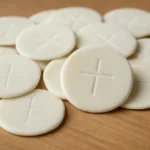
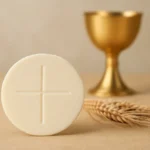
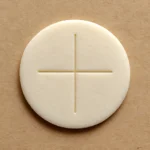
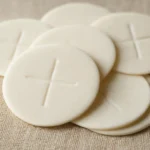
The terms used to describe the little piece of bread given at Communion vary by tradition. In many Western churches, the communion wafer is the common label for a small, round or square piece of bread that is typically unleavened. In some Christian circles, the same item may be called a host or Eucharistic wafer, reflecting the belief that it becomes the body of Christ in the sacrament. Other communities simply refer to it as the “bread” used for the sacrament, with leavened or unleavened varieties depending on liturgical custom. Across denominations, the purpose remains consistent: the wafer represents the body of Christ and is distributed during the rite of the Holy Communion.
In traditional Catholic practice, the host is often unleavened bread that is baked or pressed into a wafer without yeast. By contrast, many Eastern Orthodox communities use leavened bread in their Eucharist, which changes the texture, taste, and handling considerations. Protestant churches vary widely—some use thin, crisp unleavened wafers, others use small cubes or rounds of unleavened bread, and some may use a cake-like wafer. Regardless of the denomination, the core idea is to provide a consecrated element that participants receive as a symbol of the Last Supper.
When selecting the best communion bread wafer variants, it helps to understand the difference between several common terms you will encounter in product descriptions:
Unleavened wafer: bread made without yeast, often crisp and dry, used in many Western liturgies.
Host or Eucharistic host: a term for the consecrated piece of bread given during Communion.
Unleavened bread: bread made without fermentation, frequently used in Catholic-leaning liturgies.
Leavened bread: bread with yeast, used in several Orthodox traditions.
Gluten-free host: a bread substitute designed for people with gluten sensitivity or celiac disease.
Allergen-safe options: products designed to reduce cross-contact with common allergens.
As you explore options, keep in mind that the prayers, readings, and ritual actions surrounding the distribution of the host may imply specific expectations about texture, size, and flavor. The best communion wafer for your context is one that aligns with tradition while also meeting practical requirements for your congregation.
Key Factors to Consider When Choosing the Best Communion Hosts
Choosing the best host wafer involves balancing several factors. Here are the primary categories to evaluate when evaluating suppliers and products:
Material and Dietary Compatibility
Material determines not only tradition but also allergy safety, storage, taste, and handling. The most common materials are:
Wheat-based unleavened wafers (flour, water): The traditional choice in many Catholic and Protestant churches. They are typically crisp, light, and easy to break apart for distribution in a pew or on a tray.
Gluten-free wafers: Made with alternative grains or starches, designed to be safe for people with gluten sensitivity or celiac disease. These may have different textures or flavors and sometimes require different handling due to moisture content.
Corn-based or rice-based substitutes: Used in some communities to ensure confidentiality of dietary restrictions; texture can be crisper or crumble more easily, depending on formulation.
Dairy-free and vegan options: Most wafers are dairy-free by default, but it’s wise to confirm, especially if other ingredients (like milk powder or enzymes) could be present in some formulations.
Beyond dietary needs, consider the theological and liturgical implications of material choice. Some traditions insist on unleavened bread to emphasize the sinless, pure symbol of Christ’s body, while others may use leavened bread to reflect different theological emphases. If you serve a diverse congregation, you might offer a complementary program—two types of hosts at the same service or a rotating schedule—so that everyone can participate with dignity and comfort.
Size, Shape, and Texture
The physical characteristics of the host affect both the user experience and the logistics of distribution. Consider the following:
Size: Common diameters range from 18 to 30 millimeters (roughly 0.7 to 1.2 inches) for round wafers, with square options often around 15–20 millimeters per side. Larger hosts can be more visible and easier to handle for some communicants; smaller wafers may be preferable in crowded settings.
Thickness: Thicker wafers tend to hold together in the cup until the moment of distribution, while ultra-thin wafers may crumble more easily but be gentler to bite. The thickness should align with your typical distribution method (plates, tongs, or hand-to-mouth).
Shape: Round and square shapes are common. Some cultures favor a crescent or other shapes for symbolic purposes. Shape can affect consistency in production and the ease with which servers break or separate pieces for communicants.
Texture: A smooth surface may be easier for parishioners to bite or break, while a slightly porous texture can enhance the sensation of biting and release aroma during the service.
Test samples with a small group from your congregation to observe how the wafer behaves in the moment of distribution. Feedback about ease of handling, crumbling, or taste can guide a future decision. Always consider how the chosen size and shape will interact with your serving protocol—whether you distribute from a tray, a pyx, or directly to congregants in pews.
Flavor and Aroma
Even though the primary function of the communion host is liturgical, the taste and aroma of the bread can influence the worship experience. Some congregants notice subtle notes of grain, sweetness, or salt. For some, too strong a flavor might be distracting; for others, a neutral flavor supports reverence. If your denomination values solemnity and uniformity, you may prefer an unobtrusive, lightly toasted flavor. If you wish to emphasize a sense of hospitality and sensory connection, a more pronounced aroma from freshly baked or lightly toasted wafers could be appealing. When evaluating flavors, request samples and consider whether the product is explicitly designed to minimize flavor variance between batches.
Two core concerns are essential for any communion program: assurance of cleanliness and minimization of cross-contact with potential allergens. Here are practical steps to address safety:
Gluten safety: For gluten-free or gluten-sensitive congregants, verify a dedicated facility or strict segregation procedures to prevent cross-contact during production, packaging, and storage.
Allergen labeling: Look for clear allergen declarations on packaging—particularly for wheat, dairy, nuts, sesame, or soy—which can guide congregants with allergies.
Manufacturing controls: Inquire about manufacturing lines and whether the wafers are produced in a facility that handles shared equipment with allergenic ingredients.
Hygiene and handling: Consider how wafers are stored and distributed (sealed packaging vs. open trays) and whether servers wear gloves or use dedicated utensils to reduce contamination risk.
Often, a denomination will have specific liturgical or pastoral guidelines about the handling of hosts. Adhering to those guidelines helps ensure that both the ritual integrity and the health and safety of worshippers are preserved.
Certification, Standards, and Denominational Compatibility
Choosing a communion wafer also involves verifying any certifications or standards that matter to your church community. Common considerations include:
Catholic or ecumenical certifications: Some suppliers provide hosts that meet Catholic Church guidelines for unleavened wafers and may be certified for use in Catholic liturgies. If your church is Catholic or ecumenical, confirm compatibility with your diocese or presiding bishopric.
Gluten-free certification: For congregations that require gluten-free options, seek products with third-party gluten-free certifications to demonstrate reliability and safety.
Kosher and halal considerations: Some communities prefer hosts that carry kosher or halal certifications to meet dietary standards beyond gluten concerns.
When possible, obtain written documentation from the supplier about the production process, ingredients, and facility cleanliness. This documentation can be valuable during church governance reviews or denominational audits.
Allergen, Dietary, and Inclusivity Considerations
In any community, inclusivity means ensuring that everyone who wishes to participate in Communion can do so with confidence. This involves thoughtful product selection and clear communication about dietary options. Consider the following best practices:
Offer more than one option when feasible: a traditional unleavened wheat host alongside a gluten-free alternative can allow creamery staff, deacons, and lay volunteers to accommodate more people without stigmatizing or delaying the service.
Clear labeling: Packaging should clearly indicate whether a wafer is unleavened or leavened, whether it is gluten-free, and whether it is dairy-free or vegan.
Communication with the congregation: Include notes in church bulletins or on a parish website about the available options and how to receive them, so worshippers know what to expect and can plan accordingly.
Cross-contact prevention: In facilities that prepare multiple types of loaves or wafers, implement separate utensils, dedicated trays, and clean-handling protocols to prevent accidental mixing.
In addition to dietary considerations, some communities emphasize the theological significance of the host. For example, some congregations promote the idea that the unleavened wafer reflects a particular historical and liturgical memory, while others may emphasize the symbolic unity of the body of Christ beyond dietary distinctions. Respectful, pastoral communication about these nuances helps maintain unity while honoring diversity.
Practical Guidelines for Evaluating Suppliers and Choosing a Brand
Making a well-informed purchasing decision requires a structured approach. Here are practical guidelines you can use when evaluating potential suppliers and selecting a brand for your congregation:
Define your liturgical requirements: Clarify whether you need unleavened wafers, leavened bread, gluten-free options, or allergen-safe products. Specify preferred sizes and shapes, and confirm compatibility with your denomination’s liturgical norms.
Request product samples: Obtain small samples from several suppliers and conduct a taste test with a representative cross-section of your congregation. Consider texture, aroma, and ease of handling in a real service scenario.
Investigate ingredient lists and production processes: Review ingredient declarations, potential cross-contact controls, and whether the facility handles other allergenic ingredients. Ask for certifications if relevant (gluten-free, kosher, etc.).
Check shelf life and storage requirements: Understand how long the wafers stay fresh, how they should be stored, and whether you need refrigeration or specific humidity control.
Assess packaging and quantity options: Determine whether the packaging suits your service format (tray distribution vs. individual dispensers) and whether bulk packaging is practical for your church size.
Verify price and total cost of ownership: Compare price per wafer, packaging waste, and potential waste from breakage or spoilage. Consider whether the supplier offers delivery to your location and reliable customer service.
Confirm denominational compatibility: If your church belongs to a specific denomination, verify that the supplier’s product is acceptable within that tradition, or consult your diocesan or judicatory guidelines.
Additionally, consider the environmental impact of packaging and ingredients. Some churches aim to minimize waste by selecting recyclable or compostable packaging and by choosing materials sourced from sustainable supply chains. This can align with broader church stewardship values and community expectations.
How to Test in Practice
A practical testing plan might include the following steps:
Prepare a controlled test service with two types of hosts (for example, traditional unleavened wheat and a gluten-free option) to observe how they perform in a real liturgical setting.
Solicit feedback from deacons, ushers, and lay leaders about handling, breakage, and distribution time.
Collect anonymous feedback from congregants about taste, aroma, and comfort. Track any reported allergic reactions or intolerance concerns within the test group.
Through a careful, data-informed approach, your church can select a communion host that respects tradition, serves all participants, and fits practical realities.
Storage, Handling, and Safety: Best Practices for Communion Hosts
Beyond selecting the right product, churches must implement robust storage and handling practices to ensure safety, freshness, and reverence during the liturgy. The following guidelines help maintain quality from purchase to distribution:
Storage conditions: Store wafers in a cool, dry place away from strong odors that could be absorbed by the bread. Keep packaging sealed until distribution to maintain freshness and prevent moisture absorption.
Temperature and humidity: Most wafers are shelf-stable at room temperature, but avoid exposing them to heat or humidity that could soften or degrade the texture.
Handling procedures: Use clean gloves or utensils when handling wafers, and ensure that serving staff understand how to break or separate pieces without crumbling.
Distribution logistics: Decide whether wafers will be distributed by ushers in pews, on trays, or provided to communicants by a minister. Pick a system that minimizes contact and maintains liturgical dignity.
Sanitation between services: If you reuse serving staff or trays across services, sanitize surfaces and utensils between services to prevent contamination and maintain a consistent reverence for the sacrament.
Allergen safeguards: For gluten-free or allergen-safe wafers, designate separate serving utensils and trays to prevent cross-contact. Clearly label each station to guide the congregants.
Appropriate storage and handling not only protect health and safety but also support a smooth liturgical flow. When the moment of distribution arrives, congregants expect a dignified, predictable experience that aligns with the sacred nature of the sacrament.
Case Studies: How Different Traditions Approach Communion Hosts
Across Christian traditions, the approach to communion hosts can vary significantly. Here are hypothetical but representative scenarios that illustrate common decision points:
Case A: A Catholic parish seeking unleavened wafers
The parish prefers traditional unleavened wafers matching Catholic liturgical norms. They evaluate several wheat-based options for texture and breakability, confirm that the supplier provides proper labeling and certification, and opt for packaging that ensures long shelf life. They also consider a gluten-free alternative for parishioners with diagnosed intolerance, with clear communication about when and how to access the alternative host. The goal is to maintain liturgical uniformity while honoring pastoral care for all attendees.
Case B: A multi-denominational church requiring gluten-free choices
This church serves a diverse community and aims to provide inclusive options. They test two products: a traditional unleavened wheat wafer and a certified gluten-free host. They implement a clear labeling system and train liturgical ministers on distributing the two options with equal respect. They communicate availability in bulletins and on their website, inviting feedback for ongoing improvement.
Case C: An Orthodox congregation using leavened bread
For Orthodox churches, the practice may involve leavened bread that is blessed differently in liturgy. The community evaluates suppliers who can provide consistent leavened hosts that conform to their specific rites, including tests for texture and aroma that fit their service tempo. They prioritize the cultural resonance and reverence of the tradition while ensuring practical safety and freshness.
These cases illustrate that the most appropriate choice for communion hosts depends on tradition, pastoral needs, and the practical realities of worship life. In every case, clear communication and thoughtful planning are essential to ensure a positive, reverent experience for all participants.
Common Pitfalls to Avoid When Procuring Communion Wafers
Even with the best intentions, certain missteps can complicate the process. Here are frequent pitfalls and how to avoid them:
Assuming all wafers are interchangeable: Different denominations and dietary needs require careful specification. Avoid substituting a different type without confirming liturgical compatibility and congregational acceptance.
Overlooking allergen information: Failing to verify gluten content or cross-contact controls can alienate or risk injuring congregants with allergies. Always check labels and certifications.
Inadequate storage plans: Wafers can degrade if stored improperly. Ensure a plan for sealing, rotating stock, and shelf-life tracking.
Insufficient labeling at distribution: If options are offered, congregants must easily identify which wafer is which. Labeling prevents confusion and ensures respectful distribution.
Rushing procurement without testing: It is tempting to place large orders quickly, but samples and a pilot run help avoid waste and dissatisfaction.
By anticipating these issues, your church can maintain a steady supply of appropriate, safe, and meaningful sacramental bread that supports the integrity of the worship service.
Frequently Asked Questions about Communion Host Selection
Below are answers to common questions that often arise when churches plan for Communion:
Do all denominations require unleavened wafers?
No. Many Western denominations use unleavened wafers as part of their liturgical tradition, but some use leavened bread or other forms. It is essential to follow your tradition’s guidelines and consult your denominational authorities if you are unsure.
Can we offer gluten-free hosts without compromising the liturgy?
Yes. Many congregations successfully offer gluten-free hosts alongside traditional ones, with clear communication and careful handling. Ensure the gluten-free option is certified and produced in a facility that minimizes cross-contact with gluten-containing products.
What should I look for on the packaging?
Look for: the type (unleavened vs leavened), the ingredients list, allergen information (gluten, dairy, nuts), storage instructions, shelf-life, and any certifications (gluten-free, kosher, halal). Packaging should support easy distribution in your service format.
Order timing depends on your church size, frequency of Communion, and supplier lead times. It is prudent to establish a recurring ordering schedule with buffer stock to accommodate extra services, emergencies, or seasonal events.
Is it better to buy in bulk or in smaller batches?
Bulk purchases can lower unit costs and ensure consistency, but they require adequate storage and careful stock management. For smaller congregations or frequent changes in service formats, smaller batches or monthly replenishment can reduce waste and maintain freshness.
Conclusion: How to Choose the Best Communion Hosts for Your Community
Choosing the best communion hosts is a process that blends liturgical fidelity, pastoral care, and practical logistics. The right wafer or host for your community should
respect your denomination’s liturgical norms (unleavened vs leavened, size and shape requirements, and handling procedures),
accommodate dietary restrictions and inclusivity goals (gluten-free and allergen-aware options),
offer clear safety and labeling information,
be supported by reliable supplier documentation, certifications, and responsive customer service, and
fit the logistical realities of your church’s worship schedule, storage space, and distribution method.
Ultimately, the most suitable communion wafer will be one that helps your congregation participate with dignity and reverence, while ensuring safety and hospitality for all who approach the table. By examining material choices, form factors, allergen considerations, and practical sourcing strategies, you can make an informed decision that serves your community well now and into the future.
As you move forward, remember that the journey toward selecting the right host wafer is not only about product specifications; it is about honoring the sacred act of communion, fostering unity, and demonstrating care for every member of your church family. With thoughtful planning and open communication, you can ensure that your communion practice remains both meaningful and inclusive for years to come.





Leave a Reply