Communion Bread Wafers: Guide to Eucharist Hosts for Churches
The practice of sharing bread in the Christian observance of the Eucharist has a long and varied history. In many traditions, the sacred bread used during Holy Communion is referred to as the communion wafer, Eucharist host, altar bread, or simply the hosts. This guide provides a comprehensive overview of the purpose, production, variations, and practical considerations surrounding these sacramental items. It is written to help church leaders, catechists, lay ministers, and interested readers understand what these wafers are, how they are prepared, and how they are used in worship settings across a range of denominations.
What are Eucharist hosts and communion wafers?
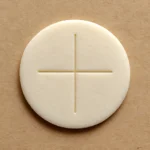
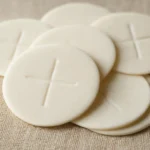
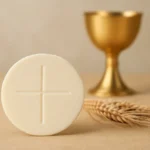
In liturgical language, the Eucharist host is the edible element consecrated during the celebration of the Eucharist. For many churches, particularly in Western Christianity, the host is a small, round, thin piece of unleavened bread in the form of a wafer. The terms communion wafer and altar bread are often used interchangeably in everyday speech, but they can carry slightly different nuances in specific traditions. The important theological idea behind the host is that it represents the body of Christ and is shared in communion as a sign of unity among the faithful.
Among the many descriptors you may encounter, the following terms are commonly used to refer to the same or closely related items:
Communion wafers (the everyday lay term)
Eucharist hosts (the liturgical term)
Altar bread (the bread used on the altar during Mass or Divine Liturgy)
Hosts (short for Eucharistic hosts)
Consecrated bread (bread that has been blessed and blessed again in the liturgical sense)
Most traditional hosts are unleavened, meaning they are made without yeast. This aligns with ancient Jewish Passover practices and with long-standing liturgical symbolism: unleavened bread is simple, pure, and easy to break, which supports the ritual sharing of the bread among the congregation. Some communities, however, use small leavened bread pieces or bread that is baked in a specific shape or pattern; these variations are typically tied to historical, regional, or doctrinal preferences and are handled according to the guidance of the respective church authority.
Historical context and theological significance
The use of bread in the Eucharist is rooted in the biblical narrative of the Last Supper, when Jesus shared bread with his disciples and commanded them to do this in remembrance of him. Across centuries, churches developed standardized forms for the bread to ensure ritual continuity and theological clarity. The shift to unleavened wafers in many Western churches crystallized for several reasons: ease of distribution during liturgy, uniform appearance, long shelf life, and a certain sacramental emphasis on purity and transmission of the body of Christ. In contrast, other traditions maintained broader forms of bread, including small cubes or circular pieces, sometimes with a slightly thicker texture for ease of handling by priest and people alike.
In all cases, the symbolic significance of the host centers on the belief that bread has become a sign of Christ’s presence in the rite of Holy Communion. The physical form—the wafer, the disk, or the pre-cut shapes—serves liturgical practicality while striving to preserve the spiritual meaning of the sacrament.
Materials and standard production practices
The practical production of communion wafers involves a careful balance between tradition, safety, accessibility, and liturgical suitability. Here are the core elements typically involved in making Eucharist hosts for churches:
Ingredients: The common base is wheat flour and water. Some hosts include a tiny amount of salt or oil, but many are kept simple to maintain purity and to reflect unyeasted bread’s symbolism.
Leavening: For traditional Western Catholic, Lutheran, and Anglican usages, the bread is unsweetened and unleavened. In some cases, very thin leavening may be introduced in certain cultural variants, but this is uncommon in standard liturgical practice.
Texture: Wafers are typically very thin, crisp, and light. This makes them easy to break, distribute, and consume during the service without heavy handling.
Form: The most common form is a flat circular wafer. Some traditions use squares, rectangles, or other shapes that may be imprinted with a religious symbol or a cross to convey the sacred nature of the bread.
Size: Size varies by tradition and purpose. The standard wafer is designed to be easily placed in a communicant’s mouth or on the tongue, but larger or smaller sizes may be used in some contexts for practical or ceremonial reasons.
Because the Eucharist is a sacred rite and the host is treated with reverence, manufacturing controls and sanitary standards are essential. In many countries, suppliers of altar bread adhere to robust safety protocols, including hygienic production environments, air quality controls, and end-product testing to ensure allergen information and batch traceability. Some manufacturers produce gluten-free hosts or low-gluten options to accommodate individuals with celiac disease or wheat sensitivities; these products are used only where allowed by a given church’s doctrine and practice and require careful theological and liturgical consideration.
Liturgical use: handling, consecration, and distribution
The administration of the Eucharist uses the host in a carefully choreographed liturgical sequence. The handling of the bread—from consecration to distribution—has long been a source of reverence and ritual order. Here are the key steps and practices commonly observed in many churches:
Consecration: In the Roman Catholic Church, the host is believed to become the Body of Christ during the consecration at the altar, through the words of the priest and the power of the sacrament. In other traditions, the bread is similarly consecrated or blessed according to the liturgical norms of that church.
Purification and handling: After consecration, purificators, a veil, or corporal linen are often used to handle the vessels and to ensure cleanliness and honor in handling the sacramental bread.
Distribution: The faithful receive the host directly on the tongue or in the hand, depending on tradition. In some communities, the ministers use communion cups or individual cups of wine (or grape juice), while in others, wine is distributed first and the host follows.
Sanctity and reverence: Even when wafers are small and simple, their use is treated with dignity as a sacred element of the faith community’s worship.
In many churches, the risk of cross-contamination with gluten or allergens is mitigated through careful handling and the use of separate utensils. Where there are allergen considerations, parishes may offer alternative options or guidance for those with sensitivities, always aligned with their doctrinal stance and the liturgical norms of the tradition.
Sizes and shapes in practice
The design and size of hosts are not only practical concerns; they also reflect local theological priorities and historical customs. In some regional contexts, you may encounter:
Thin circular wafers designed for quick distribution in large congregations
Small squares or rectangles used in communities with particular historical patterns or symbol practices
Embossed or decorated hosts featuring a cross, a dove, or other symbols that convey the sacred character of the Eucharist
Denominational variations: diverse practices around the world
While the core idea of the host is shared across many Christian traditions, there are notable differences in how communion bread wafers are produced, prepared, and used. The following subsections outline broad patterns in several major Christian families:
Roman Catholic practice
The Roman Catholic Church typically uses unleavened wafers made from wheat flour and water. The hosts are often produced by Catholic-approved manufacturers under strict quality control and may be certified as free from animal products to accommodate certain dietary restrictions. In many dioceses, the host is designed to be readily consumable by communicants of all ages and abilities, including those who receive in the hand or on the tongue. The distribution often occurs in the context of a carefully ordered rite, with ministers guiding the communicants and ensuring reverence in reception.
In the Eastern Christian traditions, the sacramental bread is often called a “Prosforo” for the Greek Orthodox practice, especially as a bread used for the Eucharist in some liturgical celebrations. The bread used in Eastern rites may differ in texture and shape, but the underlying symbolism remains the same: a shared sign of communion with Christ and with one another. Prosfora may be baked in a way that reflects particular regional styles, and the bread may be honey-sweetened or otherwise flavored in some traditional practices. The handling and distribution of the bread follow the liturgical norms of the particular church and are carried out with special reverence and ritual explanation for the faithful.
Anglican, Lutheran, and other Western Protestant traditions
Within Anglican, Lutheran, and other Protestant communities, there is a spectrum of practice. Some use the same unleavened wafer approach as in Catholic settings, while others use small pieces of bread or particularly shaped wafers. The key shared elements are the act of consecration (or blessing) and the communal sharing of the bread as a sign of the body of Christ. In many contemporary churches, easier distribution and the avoidance of crumbs have encouraged the use of uniform, thin wafers that reduce mess and simplify handling during busy services.
Quality control, safety, and certification considerations
Churches depend on suppliers that can guarantee product consistency, allergen information, and ethical production standards. Here are several dimensions that matter in practice:
Ingredient sourcing: Since most hosts are made from wheat flour and water, the quality and purity of ingredients matter. Some suppliers offer gluten-free options, which may require a different processing line to avoid cross-contact with gluten-containing products.
Manufacturing environment: Producers of Eucharist hosts often maintain hygienic facilities with controlled dust levels, air quality, andStrict sanitation protocols.
Traceability: For safety and compliance, reliable manufacturers maintain batch traceability so that a church can identify the lot that was used in a given service.
Allergen labeling: In places where labeling is required by law, products will indicate wheat content and any possible cross-contact risks. When a church requires allergen information, it should request explicit labeling from the supplier.
Liturgical alignment: Some denominations require that hosts be produced in accord with doctrinal norms. Parishes may consult with their archdiocese or diocesan liturgical office when choosing a supplier to ensure compatibility with established rubrics and practices.
In many communities, the choice of a particular brand or form of host is part of a broader conversation about liturgical practice, accessibility, and pastoral care. The focus remains on reverence, unity, and shared participation in the Eucharist, rather than on aesthetics alone. When evaluating options, churches may consider factors such as cost, shelf life, ease of distribution, allergen policies, and the ability to meet diocesan guidelines.
Storage, shelf life, and handling
Proper storage is essential to maintain the integrity and safety of communion wafers until they are used. Practical guidelines include the following:
Cool, dry storage: Keep wafers in a dry, cool environment away from moisture and heat to prevent crumbling or mold.
Airtight packaging: Use original packaging or sealed containers to maintain freshness and to minimize contamination.
Rotation: Practice first-in, first-out (FIFO) inventory management to ensure that older batches are used before newer ones, preventing waste and ensuring freshness.
Sanitation: Ensure that storage areas are clean, free from pests, and that handling areas are kept free of crumbs or debris that could compromise the ritual’s dignity.
Shelf life can vary by product and storage conditions. Wafers designed for daily use in parish Masses often have a longer shelf life when kept in proper packaging, whereas fresh-baked or locally produced options may have shorter windows of usability. Churches should consult the supplier for specific guidance on shelf life and storage recommendations.
Practical considerations for purchasing and use
When a church buys communion wafers, it is helpful to have a clear set of criteria to ensure that the product meets liturgical, theological, and pastoral needs. Consider the following:
Doctrinal alignment: Confirm that the shape, size, and ingredients align with the church’s liturgical norms and doctrinal stance.
Allergen policies: If the parish serves individuals with gluten intolerance or celiac disease, verify the availability of gluten-free options and ensure the church’s leadership approves their use within the tradition.
Cost and supply stability: Compare costs across suppliers, including bulk discounts and shipping terms, and verify that the supplier can meet ongoing demand to avoid interruptions during worship seasons such as Advent and Lent.
Ethical and environmental considerations: Some churches prefer suppliers who demonstrate sustainable practices, humane sourcing of ingredients, and responsible packaging.
Accessibility and distribution: For large churches, consider how wafers will be distributed efficiently without compromising reverence. For smaller congregations, portable or easily stored options may be preferable.
In addition to standard wafers, some parishes maintain a stock of pre-cut hosts to facilitate quick distribution during busy liturgies. Others may have a rotating supply of seasonal or commemorative shapes for feasts and feast days, provided that such practices harmonize with the rubric of their tradition and the guidance of their governing church authority.
Sustainability, ecumenical considerations, and future directions
Across Christian communities, conversations about communion bread often intersect with broader questions of sustainability, ecumenism, and practical ministry realities. Some themes currently shaping these conversations include:
Environmental impact: Churches may seek producers who minimize waste, reduce packaging, and use sustainable farming practices for wheat production.
Ecumenical dialogue: In ecumenical settings, communities may explore common ground on the visual form and material nature of the host, seeking to honor diverse traditions while maintaining shared belief in the Eucharist.
Accessibility: As congregations become more diverse, there is increasing attention to making the sacrament accessible to people with dietary restrictions or disabilities while preserving theological integrity.
Innovation within tradition: Some churches experiment with new shapes, textures, or branding of hosts (for example, projected symbols or micro-engraved designs) to deepen engagement with the liturgy. Any such innovations are typically weighed carefully against canonical norms and pastoral implications.
Ultimately, communion wafers and Eucharistic hosts function as tangible signs of a deeper spiritual reality. They remind believers of Jesus’s sacrificial love, community, and the unity of the Church. The way a church approaches production, storage, distribution, and use of the bread is a reflection of its values—reverence, hospitality, doctrinal fidelity, and pastoral care for the gathered assembly.
With many traditions and practices, questions about the bread used in the Eucharist are natural. Here are answers to some of the most frequent inquiries:
Why are hosts typically unleavened? Unleavened bread commemorates the Last Supper’s symbolism and aligns with historical Passover practices in the biblical-era context. It is also easier to produce in uniform, thin wafers that are simple to distribute during liturgy.
Can a church use gluten-free hosts? Some communities use gluten-free hosts, but this depends on doctrinal guidance and pastoral considerations. Churches adopting gluten-free options typically ensure that the bread remains suitable for the sacramental purpose and does not undermine the theological significance of the rite.
How are hosts stored for a long period? In general, wafers are kept in sealed packaging in a cool, dry place. Proper storage helps prevent moisture damage, crumbling, and contamination.
What happens if a wafer crumbles during distribution? Crumbs are handled with reverence, and a designated priest or minister often collects them to preserve the integrity of the sacrament. Some churches have procedures to minimize crumb production and to respond respectfully if crumbs are produced inadvertently.
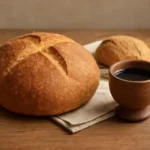
What is the difference between a wafer and a loaf of bread used in some other traditions? In many Western liturgical settings, the wafer is thin and easily broken into portions, while in some other Christian traditions, small pieces of ordinary bread or loaves may be used that are later consecrated as part of the Eucharistic rite.
Representative glossary of terms
To help readers navigate the language of communion bread, here is a concise glossary of common terms along with their typical usage in churches.
Host: The consecrated bread used in the Eucharist; often a small wafer.
Eucharist: The sacrament in which the bread and wine are received as signs of Christ’s body and blood.
Altar bread: General term for bread used on the altar in liturgical contexts.
Unleavened: Bread made without yeast; traditional form for many hosts.
Wafer: Thin, crisp piece of bread used as a host in many Western rites.
Prosforo: The bread used in some Eastern Christian liturgies (often baked with symbolic patterns).
Implementation guide for churches considering changes to their hosts
For churches contemplating changes to the bread used in the Eucharist—whether due to dietary needs, supply considerations, or liturgical renewal—here is a practical framework to guide decision-making:
Consult canonical and liturgical authorities: Ensure that any changes align with the doctrine and rubrics of the denomination and receive approval from bishops, archbishops, or other governing bodies as appropriate.
Assess pastoral needs: Consider congregational needs, including accessibility for people with gluten sensitivities, age-related considerations, and cultural preferences within the community.
Engage the parish in the conversation: Hold a listening session or survey to gather input from clergy, lay leaders, and parishioners. A transparent process fosters unity and trust.
Test and evaluate options: If possible, pilot different forms, shapes, or brands to assess handling, distribution efficiency, and reverence in practice before making a permanent change.
Document procedures: Update purchase orders, altar procedures, and liturgical rubrics or guidelines to reflect any changes in the form, size, or handling of the host.
Conclusion: the enduring role of the bread in the Eucharist
Across the diverse panorama of Christian worship, the practice surrounding communion wafers or hosts remains a core expression of faith, unity, and reverence. The bread in the Eucharist is more than a physical element; it is a visible sign of a deeper spiritual truth. Whether a parish chooses traditional unleavened wafers, small embossed hosts, or occasional gluten-free options, the central aim is to foster devotion, communion, and holy participation in the rites that mark the life of the church.
As churches move forward, the conversation about communion bread will likely continue to evolve in response to theology, pastoral needs, and societal contexts. Nonetheless, the faithful’s shared experience of receiving the host during the Eucharist remains a unifying practice, a reminder of the love and sacrifice at the heart of the Christian faith, and a tangible sign of the body that believers share as members of one body in Christ.
Further reading and resources
For readers seeking to deepen their understanding or to implement best practices in their church, consider consulting:
Diocesan liturgical offices and guidance documents specific to your denomination
Approved manufacturers and suppliers of Eucharistic bread with documentation on ingredients, allergen controls, and production standards
Academic and theological reflections on the symbolism and sacramental theology of the Eucharist
Whether you are a church administrator, a liturgy planner, or a curious reader, the subject of communion wafers invites ongoing reflection on how outward signs—bread, water, and ritual—point to deeper realities in faith communities. By focusing on reverence, unity, and care for all worshipers, churches can steward the practice of the Eucharist in ways that honor tradition while serving the needs of contemporary congregations.








Leave a Reply