What is unleavened bread? Meaning, uses, and examples
What is unleavened bread? Meaning, uses, and examples
You may have seen unleavened bread described in a Bible passage, served during Communion, or placed on a table during Passover and wondered what makes it different. The basic answer is simple: unleavened bread is bread made without a leavening agent, so the dough does not rise in the usual way.
Traditional examples include matzah, a central food of Passover, and thin wafers used in some Christian Eucharistic traditions. Unleavened bread can be soft or crisp, thick or paper-thin, depending on the recipe and religious custom. Its meaning comes not only from its ingredients, but also from the historical and religious practices connected with it.
Bread is called unleavened when its dough contains no yeast or other rising agent. Yeast is a living microorganism that ferments sugars in dough and releases carbon dioxide, creating bubbles that make bread expand. Chemical leaveners such as baking soda and baking powder can also make dough rise, so a bread made with those ingredients is generally not considered unleavened in the ordinary culinary sense.
A basic unleavened dough may contain only flour and water. Salt, oil, herbs, or other ingredients can be added for flavor and texture, but the defining feature is the absence of an ingredient intended to make the dough rise. Some unleavened breads are cooked soon after mixing, while others may rest briefly for practical reasons without undergoing yeast fermentation.
Without leavening, the finished bread is usually compact, flat, and less airy than sandwich bread. It may be crisp if rolled thin and baked or fried, or chewy and flexible if made thicker and cooked on a hot surface. Tortillas, crackers, chapati, and some flatbreads are examples of foods that may be prepared without leavening, although their exact recipes and cultural meanings differ.
Simple definition: Unleavened bread is bread made without yeast, baking powder, baking soda, or another ingredient used to make dough rise.
How unleavened bread is made step by step
The method is straightforward, but the result depends on the flour, the amount of water, the thickness of the dough, and the cooking temperature. A general process looks like this:
Combine the ingredients. Mix flour with water and, if desired, salt or a small amount of fat. The dough should come together without becoming excessively wet.
Knead briefly. Work the dough until it is reasonably smooth. Kneading develops structure, even though the dough will not rise like yeast bread.
Divide the dough. Separate it into small portions so each piece can be rolled or shaped evenly.
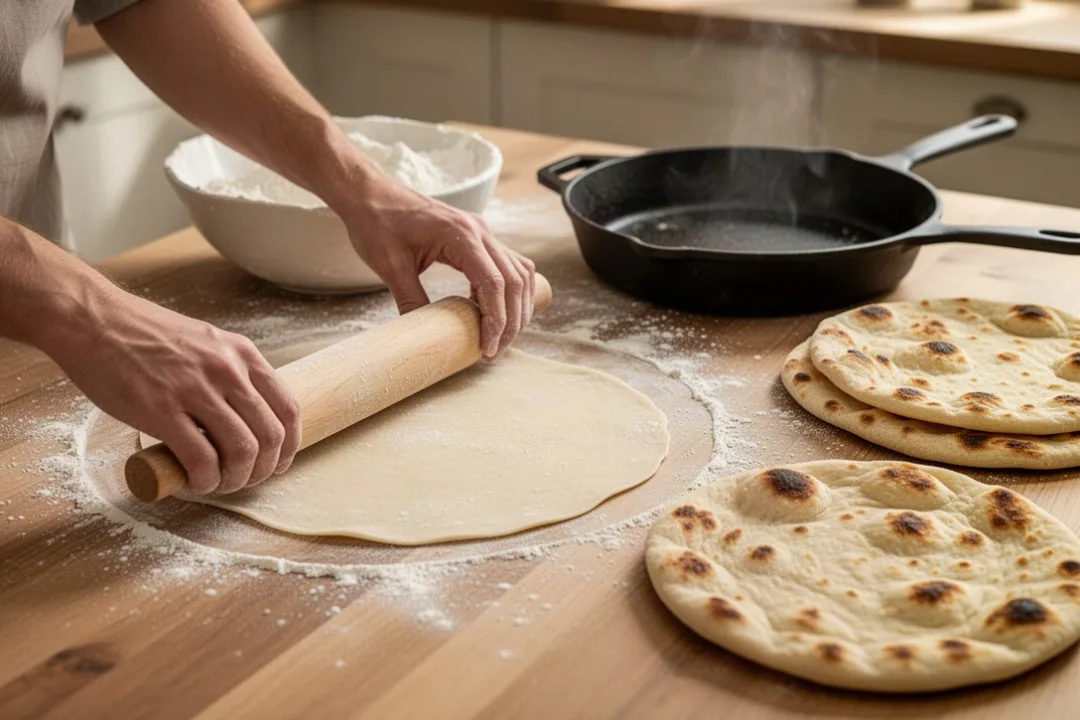
Flatten it. Roll, stretch, or press the portions into the desired thickness. Thin dough produces a crisper result, while thicker dough remains softer and more substantial.
Cook promptly or according to the tradition. Bake the pieces, cook them on a griddle, or fry them as the recipe requires. Religious preparation may include additional timing and ingredient rules.
Cool and serve. The bread may be eaten immediately, stored as a dry cracker-like food, or used as a wrap or accompaniment.
Many recipes prick the dough with a fork before cooking. These small holes help prevent large air pockets and keep the bread relatively flat. This step is useful in homemade crackers and matzah-style bread, but it is not what makes bread unleavened.
Why unleavened bread matters in the Bible
Unleavened bread has a significant place in the Hebrew Bible and the Christian New Testament. Its meaning is closely connected with the Israelites’ departure from Egypt. In the account in Exodus, the people leave in such haste that they take dough before it has time to ferment and rise. The resulting bread is described as unleavened.
Exodus connects this food with the Feast of Unleavened Bread, a period associated with Passover. The practice became a recurring remembrance of deliverance and departure. Instead of waiting for dough to rise, families prepared and ate bread that could be made quickly, preserving the memory of a hurried escape.
Several biblical passages also use leaven as a symbol. In some contexts, a small amount of leaven represents an influence that spreads through a larger whole. The meaning depends on the passage, so leaven is not automatically portrayed as morally bad. For example, biblical teachings use leaven in both cautionary and illustrative ways.
The New Testament describes Jesus sharing a Passover meal with his disciples. Christian traditions connect the bread at that meal with the Eucharist or Communion. The exact practice differs among churches: some use unleavened bread, while others use bread that contains leaven. The religious significance of the meal is therefore shaped by each tradition’s interpretation and worship practice.
How matzah differs from ordinary flatbread
Matzah, also spelled matzo or matzah, is the best-known religious example of unleavened bread. It is eaten during Passover in Jewish practice and is commonly made from flour and water. Matzah may look like a large, plain cracker, with a dry texture and small perforations across its surface.
Not every flatbread is matzah. A flatbread can be made without yeast and still have a separate culinary or cultural identity. Matzah is associated specifically with Passover and with the rules governing how the dough is prepared. Its preparation is not defined only by the final shape or lack of visible puffiness.
During Passover, observant Jewish households avoid chametz, a category generally referring to leavened products made from certain grains. The relevant grains traditionally include wheat, barley, rye, oats, and spelt. The details of acceptable ingredients, preparation, utensils, and certification can vary according to Jewish practice, so packaged foods may carry specific kosher-for-Passover labeling.
Some matzah is made by machine, while other varieties are prepared by hand. There are also different styles, including crisp matzah and softer versions used in particular communities. These differences affect texture and appearance but do not change the central idea: matzah is prepared as bread that has not been allowed to become leavened under Passover rules.
Unleavened bread and Communion
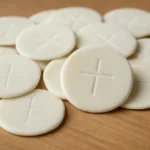
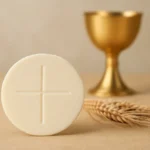
Christian churches do not all use the same kind of Communion bread. Some traditions use unleavened wafers or small pieces of flat bread, often drawing a connection between Communion and the Passover meal described in the New Testament. Other churches use leavened bread because they understand risen bread as appropriate for the celebration.
The choice can reflect theology, history, and local custom. In churches that use wafers, the bread may be made from wheat flour and water and pressed into a very thin, uniform form. It may have little flavor because its purpose is liturgical rather than culinary.
Questions about whether Communion bread must be unleavened are best answered by the denomination or church involved. The Bible provides the account of the Last Supper, but Christian communities have developed different rules and customs for worship. The bread’s religious role should not be confused with a universal baking requirement.
Some churches also consider dietary needs when choosing Communion bread. A person with celiac disease or a wheat allergy may need to speak with church leaders before receiving it. A low-gluten wafer may not be safe for every person with celiac disease, and a church’s accommodation may depend on its theology and available alternatives.
What ingredients can be used in unleavened bread?
The word “unleavened” describes the lack of rising agents, not one single recipe. Ingredients vary widely across cultures and purposes. Common choices include:
Flour: Wheat flour is common, but corn, rice, cassava, chickpea, oat, or other flours may be used in different recipes.
Water: Water binds the flour and forms the dough. The amount determines whether the finished bread is crisp, tender, or flexible.
Salt: Salt adds flavor and can affect the dough’s texture.
Oil or fat: These ingredients can make the bread more tender and less brittle.
Seeds, herbs, or spices: These additions create savory versions for meals or snacks.
A recipe can also contain ingredients that do not visibly make the bread puff up but still affect its classification in a particular religious setting. For example, a product may be free of yeast yet not meet Passover requirements because of its grain, processing, or contact with forbidden ingredients.
For ordinary cooking, the practical question is usually whether the recipe uses yeast, baking powder, baking soda, or another leavener. For religious observance, the question may be broader and should be answered using the standards of the relevant tradition.
Is unleavened bread the same as flatbread?
Unleavened bread and flatbread overlap, but they are not identical terms. Flatbread describes shape and structure: it is generally flatter than a loaf. Unleavened describes the preparation: the dough is made without a leavening agent.
Some flatbreads are unleavened. Flour tortillas, certain chapatis, and many cracker-like breads can be made without yeast. Other flatbreads use yeast, sourdough, or chemical leaveners. Naan, for example, may be prepared with yeast, yogurt, or another ingredient that creates a lighter texture, depending on the recipe.
There are also foods that are flat but not technically bread in the same sense. A thin pancake or crepe may contain no yeast, yet its batter and cooking method differ from those of traditional bread dough. The label depends on culinary context as well as ingredients.
How unleavened bread tastes and feels
Because it does not contain the gas-filled structure of risen bread, unleavened bread often has a denser bite. Thin versions can be crisp and brittle, while thicker versions may be firm, chewy, or slightly tender. The flavor is usually mild when the bread contains only flour, water, and salt.
Freshly cooked unleavened bread may have a toasted or nutty flavor, especially when prepared on a dry griddle. Oil or butter can make it richer, and herbs or spices can give it a stronger savory profile. Matzah and crackers become drier as they cool, which is why they are often served with spreads, soups, stews, dips, or other moist foods.
Texture also depends on how much the dough is worked. More kneading can make wheat dough chewier, while a very thinly rolled dough cooks into a crisp sheet. High heat usually shortens cooking time and helps prevent the bread from becoming tough, although the ideal temperature depends on the recipe and equipment.
Is unleavened bread healthier than regular bread?
Unleavened bread is not automatically healthier than leavened bread. Its nutritional value depends on the type of flour, portion size, added fat, salt, sugar, and the rest of the meal. A whole-grain unleavened flatbread may provide more fiber than a refined white loaf, while a highly processed cracker may contain substantial sodium or fat.
The absence of yeast does not remove carbohydrates. Most wheat-based unleavened breads still contain starch and calories in a way that is broadly comparable to other wheat products. A thin piece may weigh less than a slice of sandwich bread, but comparing the foods by serving size gives a clearer picture than comparing them by appearance.
Some people assume that unleavened bread is easier to digest because it has not risen. Digestion varies from person to person, and the lack of yeast does not guarantee that a bread will be more comfortable to eat. Ingredients, fiber content, portion size, and individual sensitivities may matter more.
When choosing a packaged product, check the Nutrition Facts label and ingredient list. Look at fiber, sodium, saturated fat, and serving size rather than relying on the word “unleavened” as a health claim.
Can people with celiac disease eat unleavened bread?
Not necessarily. Many unleavened breads are made from wheat flour, and wheat contains gluten. Removing yeast does not remove gluten, so ordinary wheat matzah, flatbread, or crackers may be unsafe for someone with celiac disease.
Gluten-free unleavened bread can be made from ingredients such as rice flour, corn flour, or other gluten-free grains and starches. However, a person with celiac disease should also consider cross-contact during manufacturing and preparation. A product labeled gluten-free is generally a better starting point than one described only as unleavened.
Religious requirements can make substitutions more complicated. A gluten-free product may satisfy a medical need but not meet the rules of a particular Passover or Communion tradition. Anyone managing celiac disease should ask a healthcare professional about safe choices and discuss available religious accommodations with a knowledgeable leader.
Health warning: “Unleavened” does not mean “gluten-free.” Check the ingredients and labeling carefully if you have celiac disease, wheat allergy, or gluten sensitivity.
How to make a simple unleavened flatbread at home
A basic flatbread can be prepared with flour, water, salt, and a little oil. This is a general cooking method rather than a religiously certified recipe. If you are preparing bread for Passover, Communion, or another observance, follow the specific rules of that tradition instead of relying on a standard home recipe.
Mix flour and salt in a bowl, then add enough water to form a soft dough.
Knead the dough briefly until it becomes fairly smooth, adding a small amount of flour if it is too sticky.
Let it rest for a short period if the recipe allows, then divide it into portions.
Roll each portion thinly and prick it with a fork if you want to reduce puffing.
Cook the pieces on a hot, dry skillet until lightly browned in spots, turning as needed.
Serve them warm with soup, vegetables, cheese, dips, or other foods.
For a crisp result, roll the dough very thin and bake it until dry. For a softer flatbread, leave it slightly thicker and remove it from the heat as soon as it is cooked through. Store completely cooled pieces in an airtight container to help preserve their texture.
Common misunderstandings about unleavened bread
Unleavened does not mean raw
Unleavened dough still needs to be cooked before it is eaten. The word refers to the absence of a rising agent, not to whether the bread is baked, griddled, fried, or otherwise heated.
Unleavened does not always mean completely flat
A bread made without yeast may develop small bubbles from steam or trapped air during cooking. It can puff in places without becoming leavened in the usual sense. Flatness is common, but it is not the sole definition.
Flour, whole grains, salt, toasted surfaces, oil, herbs, and spices can all contribute flavor. Many unleavened breads are intentionally plain because they are meant to accompany other foods or serve a religious purpose.
Yeast-free and Passover-appropriate are not always the same
A food can contain no yeast and still fail to meet Passover standards because of its ingredients, processing, or contact with leavened products. Religious observance involves more than checking whether a package lists yeast.
Why people still eat unleavened bread today
People eat unleavened bread for several different reasons. It may be part of a religious observance, a familiar cultural food, a convenient flatbread, or a recipe chosen for its crisp texture. Some people also enjoy it because it cooks quickly and requires no proofing time.
Its historical meaning remains central for Jewish families observing Passover. In Christian communities, it may appear during Communion or other worship practices. Outside those settings, unleavened breads are found in everyday meals around the world, where they may be used as wraps, scoops, side dishes, or crisp snacks.
The most accurate answer to “What is unleavened bread?” is therefore both practical and cultural: it is bread made without a rising agent, but its significance depends on how it is prepared and why it is being eaten. A plain flatbread in a home kitchen and matzah at a Passover table may share a basic method while carrying very different meanings.
How to identify unleavened bread when shopping
Start with the ingredient list rather than the product’s appearance. A flat, thin bread may still contain yeast or baking powder, while a thicker-looking bread may be made without leavening. Look for terms such as yeast, baking powder, baking soda, or sourdough culture if you need to avoid rising agents.
If the bread is being purchased for a religious observance, look for the certification or labeling required by your community. If you are avoiding gluten, search for a clear gluten-free label and check for allergen information. These are separate questions: one concerns leavening, another concerns religious standards, and another concerns medical safety.
When the label is unclear, contact the manufacturer or choose a product with a short, familiar ingredient list. For strict religious or medical needs, advice from a qualified religious authority or healthcare professional can prevent assumptions from creating a problem.
Frequently asked questions
Does unleavened bread contain yeast?
Traditional unleavened bread does not contain yeast, because yeast is a leavening agent. It also generally avoids baking powder, baking soda, and other ingredients intended to make dough rise. Always check the ingredient list, since products labeled as flatbread may use yeast even when they look thin.
Is matzah the same as unleavened bread?
Matzah is a specific type of unleavened bread associated with Jewish Passover observance. All matzah is unleavened, but not every unleavened flatbread is matzah. Matzah follows religious preparation requirements that go beyond simply leaving yeast out of a recipe.
Can you use unleavened bread for Communion?
That depends on the Christian denomination and local church practice. Some churches require or traditionally use unleavened wafers, while others use leavened bread. If you have an allergy, celiac disease, or another dietary concern, speak with church leaders about safe and acceptable alternatives.
What is the difference between unleavened bread and gluten-free bread?
Unleavened bread lacks a rising agent, while gluten-free bread avoids gluten-containing grains or ingredients. Wheat-based unleavened bread can contain gluten, so it is not safe automatically for people with celiac disease. A bread can be both unleavened and gluten-free, but the labels describe different properties.





Leave a Reply