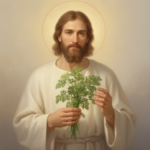
Cumin is an aromatic annual herb reaching 30-50 cm in height, with slender, upright stems. Its finely divided pinnate leaves are feathery and aromatic. The plant produces small, umbrella-shaped clusters of pale pink or white flowers, which mature into elongated, elongated seed pods containing small, ridged, tan to brown seeds. The seeds have a distinctive spicy aroma and are used as a spice. Cumin thrives in dry, warm climates, requiring well-drained, sandy or loamy soils, and full sunlight. It is cultivated across the Middle East, India, and Mediterranean regions, adapting well to arid conditions. Its essential oils and seeds make it a valued culinary and medicinal plant.
Scientific Name
Cuminum cyminum
Hebrew/Greek Name
Greek: κύμινον (kúmín); Hebrew: קִמּוֹן (kımmôn, transliterated as 'kimmôn')
Common Names
Cumin, Jeera (India), Kümme (Arabic)
Native Habitat
Native to the eastern Mediterranean and South Asia, cumin thrives in semi-arid to arid environments with warm temperatures. Historically cultivated in ancient Egypt, the Levant, and India, its ideal conditions include well-drained sandy soils and full sun exposure. Today, it remains a staple in Mediterranean, Middle Eastern, and Indian agriculture.
First Biblical Mention
Matthew 23:24 (Jesus mentions tithing cumin as a small but precise herb)
📖 Biblical References
Reference
Context
Significance
Matthew 23:24
Jesus criticizes the Pharisees for meticulously tithing even small herbs like cumin while neglecting deeper moral issues.
Highlights cumin’s reputation as a small yet significant spice, symbolizing attention to detail and righteousness.
Mark 4:30-32
Parable of the mustard seed compares the kingdom of God to a tiny seed, sometimes associated with cumin in biblical tradition.
Uses cumin’s small size metaphorically for faith and the spread of God’s kingdom.
Cumin in biblical symbolism represents smallness and humility, yet also the power of faith and righteousness. Its mention in tithing indicates attention to detail in spiritual practice. The seed's diminutive size symbolizes the potential within the humble and overlooked to grow into significant spiritual influence. As a culinary herb, cumin's aromatic and penetrating qualities may also suggest discernment and wisdom. In a theological sense, cumin embodies the idea that small acts of faith or obedience can contribute to larger divine purposes, emphasizing humility, diligence, and God's providence. Its widespread use reflects the importance of integrating the mundane with spiritual life, reminding believers that even the smallest offerings are valued by God.
🏺 Cultural Uses in the Ancient World
In ancient Israel and surrounding cultures, cumin was valued not only as a culinary spice but also for medicinal purposes, notably for digestion and respiratory health. It was used in ritual offerings and as part of trade commodities, symbolizing wealth and hospitality. Cumin seeds were dried and ground into powders or used whole in stews, bread, and ceremonial dishes. Its trade, along with other spices, contributed to economic and cultural exchanges in the ancient Near East. Medicinally, cumin was believed to promote vitality and treat various ailments, making it a versatile herb in everyday life and religious practices.
✡️ In Jewish Tradition
Cumin plays a role in Jewish dietary laws as a spice included in kosher cooking. In rabbinic literature, cumin was considered a symbol of hospitality and refinement, used in ceremonial meals. Though not a central religious symbol, its mention in biblical texts underpins its cultural importance. It is also associated with the meticulous Talmudic studies, reflecting attention to detail comparable to measuring spices precisely, as in tithing cumin. Traditionally, cumin was part of the Passover and Sukkot feasts, emphasizing its role in ritual and community celebration.
Christian interpretation often emphasizes cumin's symbolism as representing humility and faithfulness, aligning with biblical teachings on small acts contributing to the kingdom of God. Its mention in Jesus' critique underscores moral and spiritual mindfulness. Some Christian traditions see cumin as a reminder that apparent insignificance does not diminish spiritual value. It is also viewed as an allegory for the mustard seed parable, symbolizing growth from small beginnings into something enduring and divine.
🔬 Modern Botanical Identification
Cuminum cyminum is universally recognized as the biblical cumin. While some scholars have debated whether it refers to similar small seeds or herbs, botanical consensus identifies it as true cumin. Alternative candidates like caraway or fennel are less supported due to differences in seed size and aroma. Modern agriculture confirms its historical cultivation in the Middle East and India, maintaining its cultural and culinary relevance today.
🗺️ Where Is It Found Today?
Cumin is widely cultivated across Israel, the Middle East, India, and North Africa. In Israel, it is often grown in agricultural regions such as the Negev Desert and Galilee. It is available in markets and used extensively in local cuisine and spice blends. Regions with arid climates similar to ancient times continue to produce cumin for fresh culinary use and export.
❓ Frequently Asked Questions
Is cumin the same as caraway?
No, cumin (Cuminum cyminum) and caraway (Carum carvi) are different plants. Cumin’s seeds are smaller, ridged, and have a distinctive warm aroma, whereas caraway seeds are larger and sweeter-scented, though both belong to the same plant family.
What spiritual lessons does cumin teach?
Cumin teaches humility and attention to detail, reminding believers that small acts of faithfulness and obedience are valued by God. Its mention in scripture encourages mindfulness in spiritual practice and the recognition of divine significance in the mundane.
Can cumin be grown outside the Middle East today?
Yes, cumin can be cultivated in regions with warm, dry climates and well-drained soils worldwide. It is grown in parts of Southern Europe, India, North Africa, and the southwestern United States, adapting well to arid conditions.
✨ Did You Know?
Archaeological finds in ancient Egyptian tombs include preserved cumin seeds, indicating its value in religious rituals and burial practices. Historically, cumin was so highly prized that it was used as a form of currency in some ancient cultures, further highlighting its significance beyond mere flavoring.