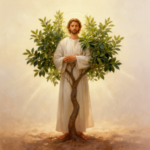
Cinnamon comes from trees and shrubs of the Cinnamomum genus. It features evergreen, aromatic leaves, small yellowish flowers, and distinctive bark, which is harvested as cinnamon sticks. Mature trees reach 10-15 meters tall, with smooth, leathery leaves. The bark is peeled and processed into quills or ground powder. The plant thrives in tropical climates with moist, well-drained soils and prefers shaded, forested environments. Its fragrant inner bark is valued for aroma and medicinal properties, while the wood is also used in construction and crafts.
Scientific Name
Cinnamomum verum (True cinnamon) or Cinnamomum cassia (Cassia) — debated candidates
Hebrew/Greek Name
Hebrew: תַּק (taq); Greek: κιννάμωμον (kinnamōn)
Common Names
Cinnamon, True Cinnamon, Cassia
Native Habitat
Native to South Asia, particularly Sri Lanka, India, and Myanmar, cinnamon grows in tropical, humid forests. It prefers warm temperatures (25–30°C), high humidity, and rich soils. Today, it is cultivated in Southeast Asia and parts of Africa, with Sri Lanka being historically renowned for high-quality Ceylon cinnamon.
First Biblical Mention
Exodus 30:23 (earliest biblical reference as an ingredient in sacred anointing oil).
Instructions for the anointing oil, which included cinnamon as a key ingredient.
Cinnamon signifies holiness, aromatic purity, and is associated with sanctifying rituals in Israelite worship.
Song of Solomon 4:14
Descriptive imagery where cinnamon is part of a fragrant mixture used in perfume.
Represents sweetness, love, and sensual delight, symbolizing spiritual and physical beauty.
Ezekiel 27:19
Mentions cinnamon as a trading good among merchants of Tyre.
Indicates cinnamon’s value in ancient commerce and its role as a luxury spice.
✨ Symbolic Meaning in Scripture
Cinnamon embodies divine holiness, prosperity, and spiritual richness in Scripture. Its fragrant aroma symbolizes God's presence, purity, and the sweetness of worship. In biblical symbolism, cinnamon's inclusion in sacred oils and perfumes underscores its association with sanctification and divine favor. Its valued status in trade reflects wealth and honor. Spiritually, cinnamon points to the idea of divine blessing—being fragrant in God's service—and the pursuit of spiritual aromaticity. Its dual role as both a literal spice and a symbol of divine blessing highlights themes of holiness, wealth, and divine intimacy present throughout biblical narratives.
🏺 Cultural Uses in the Ancient World
Ancient Israelites used cinnamon in anointing oils, perfumes, and incense for worship and rituals, emphasizing its spiritual significance. The spice was highly prized for trade, serving as a luxury commodity in regional markets. It also found applications in medicine as a remedy for colds and digestive issues, leveraging its aromatic and medicinal properties. The bark's aromatic qualities made it valuable in preparing perfumes and scented offerings used in temples. The cultivation and trade of cinnamon contributed to regional economies, and its use in ritual purification underscored its sacred importance in Near Eastern culture.
✡️ In Jewish Tradition
Cinnamon is mentioned in rabbinic texts related to the preparation of spices and candles for festivals like Hanukkah. It symbolizes purity and divine blessing, often used in rituals and ceremonial oils. Its aromatic qualities are associated with spiritual elevation and holiness, reflecting the ongoing importance of fragrant herbs in Jewish worship and custom.
Christian symbolism views cinnamon as representing spiritual richness, the sweetness of Christ's love, and divine grace. Its inclusion in biblical symbolism highlights themes of sanctification and pastoral aroma, often linked to the richness of spiritual gifts. In some traditions, cinnamon signifies the importance of purity and God's blessing in sacred worship, echoing its biblical use in holy anointings and offerings.
🔬 Modern Botanical Identification
Scholars generally identify cinnamon as coming from Cinnamomum verum (Ceylon cinnamon) or Cinnamomum cassia (Cassia). There is some debate over which species was primarily referenced in biblical texts due to historical trade and plant similarities. Ceylon cinnamon is considered true cinnamon, prized for its delicate aroma, while cassia is more common and robust. The precise species used in ancient times remains debated, but both plants belong to the Cinnamomum genus and are plausible candidates.
🗺️ Where Is It Found Today?
Today, cinnamon is widely cultivated in Sri Lanka, India, Indonesia, and China. In Israel and the Middle East, cultivated cinnamon can be found in botanical gardens and spice markets, although it is less common commercially than in its native regions. Imported cinnamon remains popular worldwide for culinary, medicinal, and ritual uses.
❓ Frequently Asked Questions
Was cinnamon actually used in biblical times?
Yes, biblical texts mention cinnamon as an ingredient in sacred anointing oils and perfumes, indicating its valued status in ancient Israelite worship and ritual practices.
Is the cinnamon mentioned in the Bible the same as the cinnamon we use today?
Most likely, yes. The biblical cinnamon is generally identified with Cinnamomum species, such as Ceylon cinnamon, used historically and today in cooking and religious ceremonies, though exact species identification is debated.
Why was cinnamon so highly valued in ancient times?
Because it was rare, aromatic, and associated with sacred rituals, cinnamon was a luxury item traded over long distances, symbolizing wealth, holiness, and divine favor in various cultures.
✨ Did You Know?
Cinnamon is one of the oldest known spices, with archaeological evidence suggesting its use over 2000 years ago in ancient Egypt. Historically, cinnamon was so valuable that it was used as currency and was believed to possess mystical properties in ancient civilizations.