Introduction to the Christian Necklace and Its Significance
A Christian necklace—often centered around a cross pendant—is more than a piece of jewelry. It is a small, wearable reminder of faith, history, and community. Across the centuries, the cross has evolved from a sign of suffering to a universal emblem of hope, redemption, and identity. Today, cross jewelry comes in countless styles, materials, and sizes, allowing people to express both devotion and personal taste. This article explores the many facets of the Christian necklace, from its symbolism to practical considerations for purchase, care, and everyday styling.
Historical and Cultural Context of Cross Jewelry
The use of a cross motif in jewelry has roots that stretch back to ancient times, but the modern cross pendant as a common accessory began to flourish in the early centuries of Christianity. Over the centuries, different Christian traditions have shaped how cross necklaces look and what they mean.
Early symbolism and diffusion
In the earliest Christian communities, symbols carried meaning in ways that could be shared without words or in hostile environments. The cross, which represented the crucifixion and the promise of eternal life, gradually became a public sign of faith. As Christianity spread, artisans began to adapt the cross into jewelry that could be worn, carried, and gifted—creating a lasting intersection between spirituality and style.
Regional styles and denominations
Different regions and church traditions contributed distinct aesthetics:
Catholic and Anglican traditions often feature more ornate cross designs, sometimes with gemstones, engravings, or inscriptions, and may include scriptural phrases.
Eastern Orthodox traditions frequently use the Orthodox cross, which has two shorter horizontal bars and a slanted lower bar, and may include icons or gold finishes.
Protestant and evangelical communities often favor simpler, minimalist cross pendants, aligning with a focus on the core message of the gospel rather than ritual objects.
Types of Cross Pendants: Styles and Variations
The term Christian necklace encompasses a wide range of pendant designs. Whether you seek a subtle daily piece or a bold statement, there is a cross pendant that matches your aesthetic and spiritual language.
Latin cross and plain cross pendants
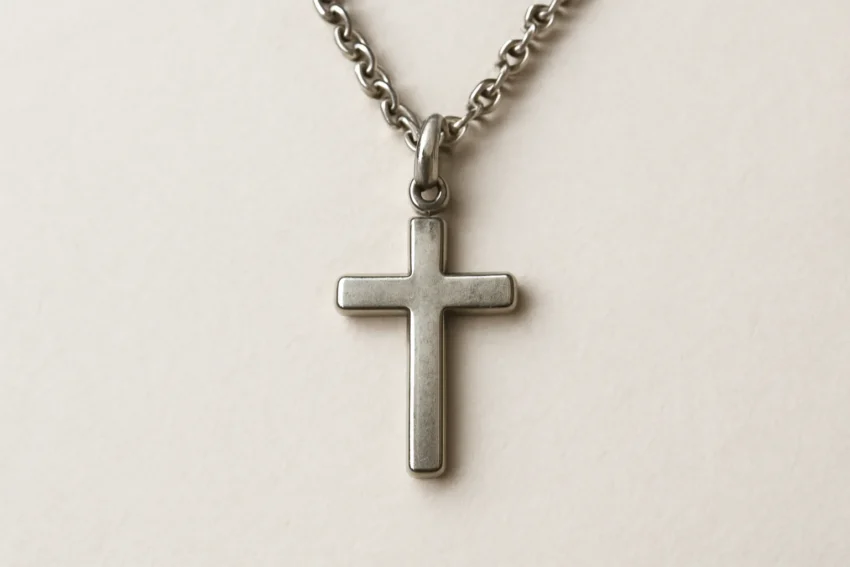
The Latin cross is the most recognizable form, featuring a vertical stem intersected by a horizontal bar. This classic shape is versatile and widely available in precious metals and modern resins.
Orthodox cross pendants
The Orthodox cross typically includes extra bars—the longer main bar and a shorter upper bar—reflecting Eastern Christian symbolism. Some versions also incorporate a slanted lower bar, adding a distinctive geometric profile.
Celtic cross and knotwork designs
The Celtic cross blends Christian symbolism with ancient knotwork. Its circular ring represents eternity and divine life, while intricate engravings communicate heritage and artistry.
Crucifix vs. cross pendant: what’s the difference?
A crucifix includes the figure of Jesus on the cross, emphasizing atonement and sacrifice. A plain cross pendant may symbolize the resurrection or general Christian faith without depicting Christ. When shopping, be clear whether you want a crucifix or a bare cross, as the two carry different meanings and styles.
Symbolic variations: heart, angels, and iconography
Some necklaces incorporate additional motifs—such as a heart for love, or small angel figures—to convey layered messages. Others may feature engraved Bible verses, saints, or Marian symbols alongside the cross.
The material and craftsmanship of a cross pendant influence both its appearance and its longevity. From precious metals to natural materials, the choice affects weight, color, and care requirements.
Precious metals
Sterling silver—affordable, bright, and easy to maintain; often layered with oxidation to highlight details.
Gold (yellow, white, or rose) — classic and durable; higher upfront cost but long-term value.
Gold vermeil — a thick layer of gold over sterling silver, offering a luxury look at a more accessible price point.
Platinum — durable and hypoallergenic, typically used in high-end pieces.
Titanium and stainless steel — modern, sleek, and highly resistant to corrosion; great for daily wear.
Alternative materials
Wood or resin pendants for a natural, rustic vibe.
Enamel inlays to add color and character without changing weight dramatically.
Coral, bone, or stone elements for a distinctive texture and natural beauty.
Finishes and textures
Finishes range from high-polish mirror surfaces to brushed, matte, or antiqued textures. Some designs pair a brushed metal base with polished edges to create a subtle contrast that catches light in a refined way.
Design for Men, Women, and Unisex Appeal
The gendered presentation of a cross necklace often reflects broader fashion norms, but many designs are intentionally unisex. The right pendant can enhance a formal outfit, a casual streetwear look, or a traditional religious garment.
Women’s cross jewelry
Women’s strands often feature: longer chains, smaller pendants, or more ornate detailing such as filigree, gemstone accents, or delicate engravings. The result can be both feminine and spiritual, suitable for daily wear or special occasions.
Men’s cross jewelry
Men’s designs typically emphasize sturdier chains and roomier pendants. Styles may be heavier, with bolder geometries or understated minimalism, offering versatility for work, casual wear, or formal events.
Unisex and adjustable options
Unisex cross necklaces focus on inclusive scales, neutral finishes, and versatile chain lengths. Adjustable chains or modular pendants can ensure a perfect fit for different outfits and necklines.
A Buyer’s Guide to Selecting a Cross Necklace
Purchasing a cross pendant is a blend of faith, aesthetics, and practicality. The following considerations help you choose a piece that resonates personally and wears well over time.
Purpose and symbolism
Decide whether the piece is meant as a daily reminder of faith, as a meaningful gift, or as a fashion accessory inspired by Christian symbolism. Each purpose may guide your choice toward different styles, sizes, and materials.
Denominational context
While many cross necklaces are broadly Christian, some pieces may align more closely with Catholic, Orthodox, or Protestant aesthetics. For example, Orthodox crosses or icons may appeal specifically to those within that tradition, while a plain Latin cross may feel more universally Christian.
Size, weight, and chain length
Common chain lengths range from 16 to 28 inches. Shorter lengths sit closer to the collarbone, while longer lengths drape lower on the chest. Pendants can vary from delicate 0.5–1.5 cm widths to larger, statement sizes over 3 cm. Consider your neck size, preferred layering, and the neckline of typical outfits.
Clasp types and wearability
Clasps include lobster clasps, spring rings, and paneled folds in some vintage designs. Durable clasps are essential for daily wear, especially on heavier pendants.
Engraving and personalization
Some people opt for engravings—verses, names, or dates—that add a personal dimension to the cross pendant. Personalization may increase sentimental value and make a cross necklace a treasured heirloom.
Care requirements and lifestyle
Consider your daily environment and activities. If you work in a setting where jewelry is frequently exposed to moisture, humidity, or chemicals, a more durable metal like stainless steel or titanium may be preferable.
Proper care extends the life and beauty of a cross necklace. Materials differ in how they should be cleaned and stored.
General maintenance tips
Wipe gently with a soft cloth after wearing to remove oils and fingerprints.
Avoid contact with harsh chemicals, including chlorine, bleach, and household cleaners.
Store in a soft pouch or jewelry box to prevent scratches and tangling.
Material-specific care
Sterling silver may tarnish over time; use a silver polishing cloth and occasional cleaning with a mild soap solution.
Gold is relatively low-maintenance but can accumulate oils; rinse with mild soap and warm water, then dry thoroughly.
Stainless steel and titanium are highly resistant to tarnish but should be cleaned with warm water and a soft cloth to maintain shine.
Gemstones require gentle cleaning to protect settings; use a soft brush and avoid harsh chemicals that could loosen stones.
Storage and rotation
For those who own multiple cross necklaces, rotate wear to minimize wear on any single piece. Store each pendant in separate compartments or pouches to prevent scratching.
Styling Cross Necklaces for Everyday Life
How you wear a cross pendant often reflects personal taste and current fashion. Below are practical ideas for incorporating this symbol into daily outfits.
Layering with other necklaces
Layered looks can pair a cross pendant with chains of varying lengths and textures. A delicate cross on a fine chain can sit at a higher neckline, while a larger cross on a longer chain adds drama. When layering, choose complementary metals to create a cohesive, intentional appearance.
Outfit pairings for different occasions
Casual daytime wear: a slim cross pendant with a lightweight chain pairs well with T-shirts, denim jackets, and sneakers.
Professional settings: a modest cross on a medium-thickness chain with a clean silhouette can complement business attire without overpowering it.
Formal events: opt for a refined cross pendant in gold or silver on a refined chain to elevate suits or gowns.
Seasonal and color considerations
Darker metals like oxidized silver or gunmetal cross necklaces can harmonize with fall and winter wardrobes, while bright gold and polished silver stand out against lighter fabrics in spring and summer. Enamel accents can introduce color while maintaining a timeless silhouette.
Ethical Considerations and Responsible Sourcing
For many buyers, the ethics of jewelry production matter as much as appearance. Responsible sourcing ensures that workers are treated fairly and that materials are mined and manufactured with environmental consideration.
Ethical metals sourcing includes certified upholding of labor standards and minimized environmental impact.
Sustainable packaging and minimal waste practices reflect a growing trend toward responsible consumption.
Transparent supply chains help buyers understand where metals originate and how they are refined.
When shopping, look for certifications or statements from reputable jewelers about sourcing practices. Some brands publish traceability details, while others participate in initiatives that promote fair trade and responsible mining.
Symbolism and Personal Meaning of the Cross in Jewelry
The cross necklace carries layers of meaning beyond aesthetics. For many wearers, it is a personal covenant, a reminder of family heritage, or a symbol of resilience during difficult times.
The cross as a symbol of faith and redemption
The cross is often interpreted as a public proclamation of faith and as a reminder of grace. For believers, a cross pendant can serve as a private source of strength, a daily meditation, and a silent witness to core values.
The cross in art and culture
Across art, literature, and music, the cross appears in varied motifs—sometimes as a herald of hope, other times as a reminder of sacrifice. This cultural resonance contributes to the cross’s enduring presence in fashion and faith communities alike.
A cross pendant can be a thoughtful gift for milestones such as baptisms, confirmations, graduations, weddings, or anniversaries. When given with intention and care, a cross necklace can become a cherished heirloom passed down through generations.
Occasion-based gifting ideas
Baptism or confirmation gifts: consider a modest cross pendant in a precious metal, perhaps with a small engraving of a date or name.
Wedding or anniversary: choose a cross necklace with an elegant chain and optional gems to mark a special day.
Graduation or milestone achievement: a contemporary cross on a sleek chain can symbolize a new chapter and personal growth.
Some environments call for extra care to protect a cross necklace. Sports, swimming, or outdoor adventures can stress delicate pieces, so selecting the right design for your lifestyle is prudent.
Water and salt exposure considerations
Prolonged exposure to saltwater or chlorinated pools can affect certain metals and gemstones. If you swim regularly, consider removing your cross pendant to prevent tarnish or discoloration.
Workplace considerations
In professional settings, choose a cross necklace that complements your attire without posing a safety risk or appearing overly flashy. A medium-sized pendant with a simple chain often strikes a balance between faith and fashion.
Across communities, individuals wear cross pendants for companionship, memorialization, or to honor family legacies. Personal stories about faith, resilience, and identity often accompany conversations about why someone chooses a particular style or material.
Sharing and respecting diverse expressions
While a cross pendant can be deeply meaningful to one person, it may carry a different resonance for someone else. Respectful conversations about how jewelry expresses faith can deepen understanding and appreciation within families, communities, and workplaces.
Is a crucifix more appropriate than a plain cross?
It depends on the wearer’s preference and the message they wish to convey. A crucifix emphasizes the crucifixion of Jesus, while a plain cross focuses on broader symbolism of faith, resurrection, and grace.
What length should a cross necklace be?
The best length depends on neck size, wardrobe, and layering plans. Shorter lengths (16–18 inches) sit near the base of the neck for a subtle look, while longer lengths (20–28 inches) drape lower and create a more dramatic effect.
Hypoallergenic options include high-quality surgical-grade stainless steel, platinum, and 14k or higher gold. If you have sensitivities, verify metal content and avoid alloys that include nickel, which can irritate the skin.
How should I clean a gemstone-encrusted cross pendant?
Use a soft brush with warm, soapy water and avoid aggressive scrubbing that could loosen stones. Rinse carefully and dry with a microfiber cloth. For gemstones, consult the jeweler’s care instructions to ensure stones remain secure.
A cross pendant necklace is a versatile artifact that merges spiritual meaning with personal style. Whether you seek a delicate daily reminder, a symbol for a meaningful gift, or a bold statement piece, the market offers abundant options. By understanding the different cross designs, materials, and care requirements, you can select a piece that honors your beliefs while complementing your lifestyle and wardrobe. The right Christian necklace can accompany you through ordinary days and extraordinary moments, serving as a quiet, enduring reminder of faith, hope, and love.