Christian artwork encompasses a vast range of visual forms that have supported worship, teaching, consolation, and contemplation for nearly two millennia. From the intimate brushwork of a devotional sacred image to the public ritual of an illuminated altar in a grand cathedral, art has served as a language for ideas and beliefs that are often difficult to express in words alone. In this article we explore sacred paintings, religious prints, and iconography, and we consider how these forms have shaped and reflected spiritual life across cultures and eras.
This overview emphasizes not only the appearance of Christian artworks but also their meanings, materials, and the practices that give them vitality. Whether you are a student of art history, a devotee seeking to understand a favorite object, or a curious reader exploring the intersections of faith and beauty, you will find here an organized guide to Christian art in its many guises.
What is Christian Artwork?
At its broadest, Christian artwork refers to images, objects, and spaces created to express or support the Christian faith. It includes:
Sacred paintings (paintings created for worship, meditation, or narrative instruction)
Iconography (a specialized program of symbols, gestures, and motifs used in prayer and liturgy)
Prints and mass-produced reproductions (tools for teaching and devotion)
Frescoes and murals in churches and monasteries
Altarpieces and panels (central works in worship spaces)
Sculptural works (statues and reliefs in sacred spaces)
Illuminated manuscripts (text and ornament in prayer books and Bibles)
Stained glass and other light-driven media in churches
Iconostases and liturgical objects (things used in rites).
Across traditions, the core aim remains consistent: to illuminate the mysteries of the Christian story—its persons, events, and divine presence—through visual means. Sacred images are not mere decoration; they are invitations to encounter, remember, and respond to what Christians profess about God becoming human, about God’s love, and about how the world is ordered by grace.
Major Forms of Christian Artwork: An Overview
Christian art has developed in many forms, each with its own history, techniques, and purposes. Below are the principal strands that recur across centuries and regions.
Sacred Paintings
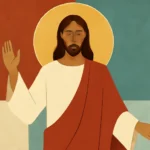
Sacred paintings are crafted to teach, contemplate, and adorn sacred spaces. They may depict Christ, the Virgin Mary, saints, or scenes from the Bible. In many traditions, devotional paintings function as focus points for prayer, while in others they serve as narrative programs that guide worshippers through biblical episodes.
Altarpieces (large painted panels placed behind the altar, often with layers of meaning and multiple figures)
Panel paintings (retables and panels used in altars and private devotion)
Frescoes (wall paintings painted on damp plaster, common in churches and monasteries)
Iconic portraits (portraits of holy figures painted in the style of an icon or icon-like representation)
The medieval and early modern periods saw a rich tradition of altarpieces and fresco cycles that narrated salvation history in public spaces. In the Renaissance, naturalism and perspective joined devotion, producing scenes that balanced beauty with doctrinal clarity. In the Baroque, painting and sculpture joined to evoke emotion and luminous, dramatic reverence.
Prints and Reproductions
Religious prints emerged as a powerful way to disseminate devotional images beyond the walls of churches and cathedrals. Woodcut, copperplate engraving, and later lithography allowed laypeople to own, study, and reflect on sacred images in their homes. Prints played a crucial role in reformation-era reform movements, as well as in missionary and educational contexts.
Woodcut series (illustrating Biblical narratives or saints)
Engravings and etchings (refined reproductions of paintings and masterpieces)
Modern prints (a bridge between traditional imagery and contemporary devotion)
Today, high-quality prints continue to accompany traditional iconography and sacred painting, enabling both study and personal devotion. They also complement digital media, allowing global access to iconic images and theological concepts.
Iconography
Iconography is a specialized system of symbols and imagery used to teach, worship, and contemplate. It is especially associated with Eastern Christian traditions, including the Orthodox and some Eastern Catholic communities, though iconographic methods and motifs appear in Western art as well.
Icons (sacred images designed for veneration, with strict rules of portrayal and reverence)
Iconostases (screens or walls with icons separating the sanctuary from the nave)
Liturgical icons (images used in processions, blessings, and rites)
Iconographic programs (cycles of images that tell stories from Scripture and the life of saints)
Iconography operates as a visual theology: the colors, gestures, clothing, and spatial arrangements are not random but encode spiritual meanings. The icon is often understood as a window to the divine, inviting the faithful to encounter the sacred through contemplation and prayer.
Historical Arc: From Catacombs to Contemporary Practice
The story of Christian artwork unfolds across civilizations, reflecting shifts in religion, politics, culture, and technology. The following outline highlights major eras and movements, with attention to how sacred painting, iconography, and religious prints evolved.
Early Christian Art and the Catacombs
In the early Christian era (roughly 2nd to 5th centuries), Christians often worshipped in private homes or catacombs. Their artwork tended to be symbolic, avoiding overt imperial or pagan imagery. Frescoes and wall paintings in catacombs used scenes like the Good Shepherd, biblical narratives, and simple symbolism to inspire hope and instruct believers in the faith.
Use of parables and miracle stories in protected spaces
Emergence of liturgical symbols such as the Chi-Rho, menorah-like crosses, and fish (Ichthys)
Formation of a vernacular visual language that would later inform standard iconography
Byzantine Iconography and the Rise of the Eastern Tradition
The Byzantine period saw a codification of iconography into a formal program of images and rites. Icon painters followed strict canons, and the use of gold ground, frontal poses, and solemn expressions established a consistent visual theology. The iconostasis became a central liturgical feature in Orthodox churches, separating nave from sanctuary while allowing a powerful visual dialogue through icons.
Christ Pantocrator and the Virgin Hodegetria emerged as standard motifs
Icons were considered theology in color—each symbol and gesture carried doctrinal meaning
Mosaic and tempera surfaces created luminous, durable images intended for venerative use
Western Middle Ages and Renaissance
In Western Europe, sacred paintings often took the form of altarpieces and mural cycles. The Gothic style emphasized verticality and light, guiding the viewer upward toward transcendence. The Renaissance brought naturalistic representation, perspective, and a renewed interest in human experience within sacred stories. The interplay between faith and observation produced devotional imagery that could be both aesthetically compelling and theologically precise.
Altarpieces by masters such as Van Eyck, Fra Angelico, and Bosch
Revival of biblical narrative cycles in churches and monasteries
Expansion of illuminated manuscripts and later book illustration
Baroque, Neoclassical, and Modern Developments
The Baroque era integrated dramatic lighting, motion, and emotion to draw the viewer into the sacred event. In contrast, Neoclassical art sometimes returned to restraint and moral clarity. The 20th century brought secular modernism into dialogue with Christian imagery, leading to a rich, diverse field of contemporary Christian art that includes abstraction, symbolism, and renewed liturgical design.
Baroque churches with dramatic chiaroscuro and sculptural ensembles
20th-century artists who explored spiritual themes through abstract forms
Revival movements that re-engaged with traditional iconography in new media
Techniques and Materials: How Christian Artwork Is Made
The creation of sacred paintings, iconography, and prints relies on a diverse toolkit. Techniques have varied by region, period, and purpose, yet they share a common goal: to render the divine with beauty that nourishes contemplation.
Paintings: Traditional and Modern Modes
The media used for sacred paintings range from egg tempera on panel to oil on canvas, and from fresco on wall surfaces to mixed media experiments in contemporary sacred art.
Egg tempera (pigments suspended in egg yolk) for luminous, precise color on wooden panels
Oil painting (glazes, depth of color, and subtle light effects) for rich realism and atmosphere
Fresco (pigments applied to wet plaster) for durable wall cycles in churches
Gilding (gold leaf) to evoke the divine radiance and heavenly light
Panel painting as a primary format in medieval and early modern devotion
Iconography: The Language of Symbols
The craft of icon painting follows specific conventions and spiritual aims. Eastern Christian ateliers teach that icons are not only representations but windows to the divine—an encounter that occurs through prayerful gaze.
Color symbolism (blue for heaven; red for life, blood, and sacrifice; gold for the divine presence)
Gesture and posture (the flat, frontal gaze and the hand gestures that signify blessing, teaching, or intercession)
Symbolic backgrounds (halos, mandorlas, and architectural spaces indicating sacred realms)
Canons and apprenticeship (strict rules about how figures should be depicted to preserve the theology)
Printmaking and Reproductions: Spreading the Sacred Image
Printmaking played a pivotal role in disseminating images of faith across social classes and geographies. Early forms such as woodcuts and copperplate engravings opened access to biblical scenes, saints, and devotional imagery far beyond the confines of wealthy patrons.
Woodcut cycles illustrating scripture and hagiography
Copperplate engravings and later lithographs with refined tonal range
Modern digital prints and reproductions that preserve traditional imagery while reaching new audiences
Mosaics, Stained Glass, and Sculpture
In addition to paintings, many Christian spaces have been adorned with mosaics, stained glass, and sacred sculpture. Each medium creates a distinct engagement with light, form, and space.
Mosaics (small colored pieces arranged to form luminous surfaces, especially in Byzantine churches)
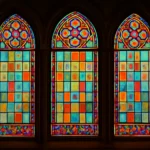
Stained glass (colored glass and leading to tell biblical stories through light)
Sculpture (stone, wood, bronze reliefs and statues depicting holy figures and scenes)
Symbolism and Theology in Christian Artwork
Theologies expressed in Christian art are often conveyed through visual lexicons—the way in which colors, forms, and compositions communicate beliefs about creation, incarnation, salvation, and divine mercy.
Christological themes (the life of Christ, his miracles, Passion, and Resurrection)
Marian devotion (portraits of the Virgin Mary emphasizing motherhood, intercession, or Assumption)
Saints and martyrs (models of virtue, intercessors, and witnesses)
Angelic and heavenly beings (the heavenly court, guardians, and cosmic order)
Biblical narrative cycles (Creation, Fall, Flood, Exodus, and the Gospels as painted stories)
Color Theory and Light as Theological Language
Color in Christian art is rarely accidental. It often carries theological weight: gold and white symbolize the divine light; blue points to heaven; red signifies life, sacrifice, or the Holy Spirit in certain contexts; green denotes growth and the renewal of life. Light in painting and architecture is used to symbolize divine revelation and the presence of God among the faithful.
Gesture, Posture, and Composition
The way figures are posed communicates relationship to the viewer and to the sacred event depicted. For instance, blessing gestures and open-handed postures invite contemplation and intercession. The central axis in many altarpieces positions Christ or the Virgin at the focal point, guiding the viewer toward worship.
Geography and Cultural Variation
Christian artistry is deeply local even as it engages universal theology. Regional differences reflect climate, political history, different liturgical calendars, and distinct devotional sensibilities.
Eastern Orthodox Traditions
In Eastern Orthodox contexts, iconography maintains strict canons and liturgical roles. The veneration of icons, the use of icon corners and iconostases, and the careful handling of sacred images are all part of a robust spiritual discipline.
Icons are often completed by artist-priests or iconographers who follow a long tradition of apprenticeship
Surface materials include gesso, tempera, and gold leaf on wood
Icons can be prototypical in that new icons follow established archetypes rather than attempting photographic realism
Western Catholic and Protestant Traditions
Western Christian art has included a broad spectrum from the medieval altar piece to contemporary liturgical art. In Catholic contexts, altarpieces, fresco cycles, and studio-made devotional prints often accompany a living liturgy. In many Protestant communities, the aniconic or iconophobic strand led to a distinctive emphasis on sermon illustration, biblical scenes in churches that often avoided extravagant imagery, and a post-Reformation openness to secular influences in religious art.
In Catholic settings, there is a continued tradition of marian imagery and saint devotion expressed through painting and sculpture
In Protestant settings, artistic production frequently emphasizes Scriptural narrative, moral instruction, and the beauty of the text itself
Contemporary Catholic and Protestant artists explore ecumenical dialogue through shared symbols and new media
Conservation, Curation, and the Sacred Image
The care of Christian artworks is a field that blends art history, conservation science, theology, and ethics. Works of sacred art face challenges such as environmental sensitivity, aging materials, and the need to balance reverence with accessibility.
Conservation ethics emphasize preserving original materials, documenting alterations, and maintaining the artwork’s integrity
Lighting and humidity control are crucial for frescoes and tempera paintings which can be sensitive to moisture and UV radiation
Restoration practices aim to respect the artist’s intent while ensuring the work remains legible for future generations
How Christians and Patrons Use Art in Worship and Devotion
Art serves as a tool for worship, catechesis, and community identity. The ways in which people engage with Christian pictures and forms reveal a living tradition that seeks to translate eternal truths into tangible experience.
Imaging the sacred through icons, crucifixes, and devotional paintings helps believers enter more deeply into mystery
Processional art and liturgical objects accompany ceremonies, blessings, and sacraments
Personal devotion often centers on prayer cards, prints, or small icons suitable for home prayer spaces
For those who wish to interpret Christian artworks thoughtfully, a few practical steps can help:
Identify the tradition (Orthodox, Catholic, Protestant, Coptic, Ethiopian, etc.) to understand the normative conventions
Note the occasion for which the work was made (church wall, altarpiece, private devotion, mission)
Decode symbols—colors, gestures, halos, and attributes provide clues about the figures and events
Read the form in space—consider how the artwork interacts with architecture, light, and liturgy
Consider material and technique—the medium can influence meaning (wood panel vs. canvas vs. mosaic)
Case Studies: Notable Forms and Their Significance
A handful of objects and programs illustrate the breadth of Christian art. The following case studies highlight how form, function, and theology converge.
Case Study 1: The Medieval Altarpiece
A late Gothic altarpiece often functioned as a multilayered narrative device. Its polychrome wood panels or carved reliefs presented a sequence of sacred episodes that guided contemplation across the ecclesial year. The central panel might show the Crucifixion or the Madonna and Child, surrounded by saints whose heroic lives offered moral exemplars. The outer wings opened for feast days, revealing varying scenes as the liturgical calendar turned.
Case Study 2: Byzantine Iconostasis and Its Windows to Heaven
In an Orthodox church, the iconostasis is more than a decorative screen. It defines the spatial rhythm of worship and presents a curated gallery of icons that testify to theological tenets—Christ in glory, the Virgin as Theotokos, the saints as intercessors. Visitors are invited to move along a path of contemplation, pausing at each icon to pray or reflect.
Case Study 3: The Print Tradition in the Reformation Era
The centuries following the invention of the printing press saw a dramatic increase in religious prints that helped pilgrims and households imagine sacred stories. In some places, prints aided catechesis and reformulation of doctrinal teaching; in others, they provided comfort in times of upheaval. The portability of prints allowed laypeople to have a personal mediator for devotion, much as a small icon might function for a household shrine.
Contemporary Christian Artwork: Innovation Grounded in Faith
Modern and contemporary Christian artists explore faith with a range of approaches—from deeply traditional iconographies to abstract and multimedia works. Some artists renew classic symbols, while others reframe biblical narratives for present-day readers. Across cultures, contemporary sacred art often seeks to engage with questions of justice, peace, mercy, and community life while maintaining reverence for the transcendent.
Contemporary iconography revisits traditional motifs with new materials and forms
Modern news and art intersect to reflect on suffering, hope, and resilience
Liturgical designers create modern sacred spaces that facilitate encounter with the divine
Education and Appreciation: How to Learn More
Whether you are an educator, a student, a museum visitor, or a practitioner, there are ways to deepen understanding of Christian artwork. The field draws from art history, theology, anthropology, and conservation science.
Study canons and symbolism—learn the common motifs and their meanings
Compare regional styles—see how different cultures interpret shared themes
Visit churches, mosques, and museums with careful attention to how spaces frame art
Read primary sources (canons, liturgical manuals, accounts by artists and patrons) to understand intention
Conclusion: The Enduring Power of Christian Artistic Expression
Christian artwork—in its many forms: sacred paintings, prints, and iconography—has persisted as a fundamental way that people have encountered and communicated the divine. From the quiet icon on a home icon shelf to the breathtaking expanses of a cathedral’s ceiling, art remains a spiritual resource: a teacher, a companion, and a bridge between heaven and earth. The history of Christian art is not a single ladder that climbs from one era to another but a vibrant tapestry of practices, each contributing to a living tradition capable of speaking anew to each generation.
Glossary of Key Terms
To aid readers, here is a brief glossary of terms frequently used in discussions of Christian artwork.
Altarpiece — a painting or sculpture placed at the altar, often the central religious image of a church
Icon — a sacred image used for veneration, especially in Eastern Christian traditions
Iconostasis — a screen or wall covered with icons that separates the sanctuary from the nave in Eastern churches
Tempera — a painting medium using pigments bound with egg; common in medieval and early Renaissance painting
Gilding — the application of thin gold leaf to surfaces to convey divine light
Fresco — painting on wet plaster that becomes part of the wall surface as it dries
Mosaic — a decorative work of art made from small pieces of colored glass, stone, or ceramic
Liturgical art — artworks created specifically to accompany worship and rites
Illuminated manuscript — manuscripts decorated with initials, borders, and miniature illustrations
halos — circular glory surrounding the heads of holy figures to signify sanctity